'Gods would be aghast': SC seeks faith-health balance in firecracker debate
Source Entity
PALLAVI
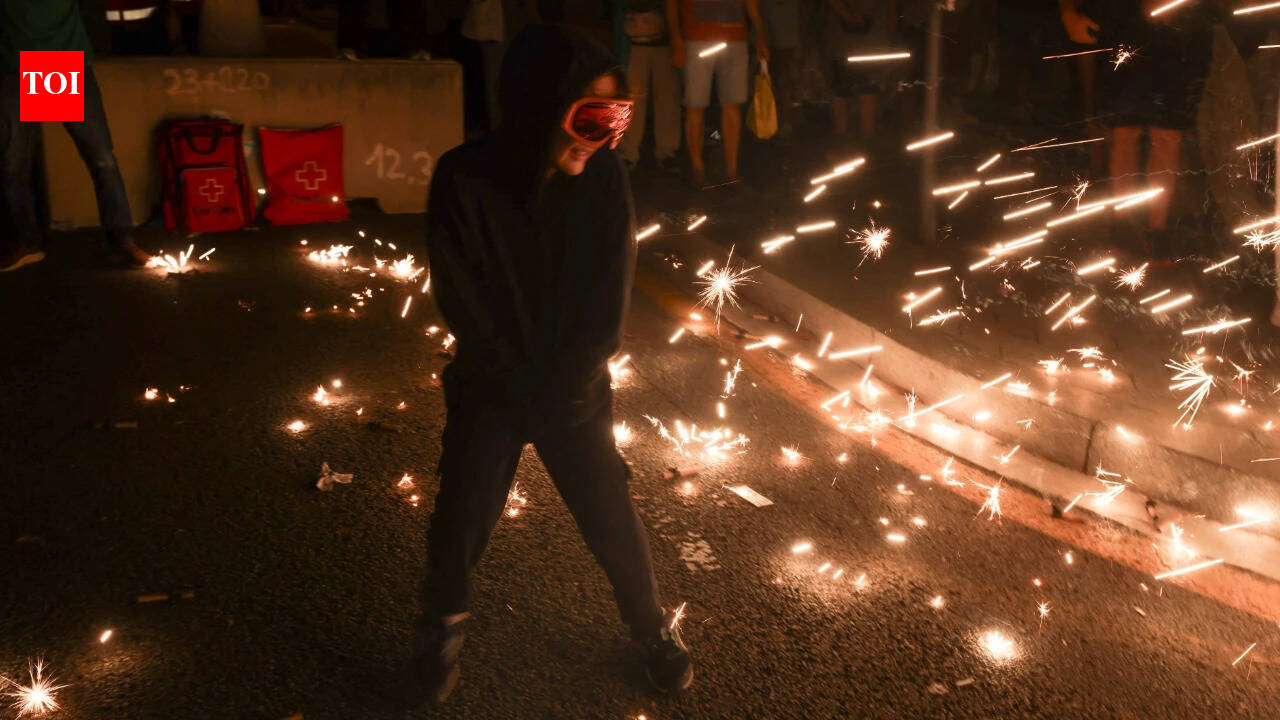
The Supreme Court of India is seeking a balance between religious freedom and public health regarding firecracker usage in Delhi-NCR. The bench emphasized that enforcement must be manageable and encouraged public awareness over strict, hard-to-implement bans.
Balancing Faith and Public Health: The Supreme Court's Stance on Firecrackers
The Judicial Dilemma
The Supreme Court of India has recently navigated a complex intersection of constitutional rights and environmental exigencies. During a bench hearing led by Chief Justice of India Surya Kant, alongside Justices Joymalya Bagchi and V. Mohana, the court addressed the recurring issue of firecracker usage in the Delhi-NCR region. The central challenge remains the severe deterioration of air quality during winter months, which poses significant health risks to vulnerable populations, including children and the elderly.
Questioning the Religious Basis
One of the most notable aspects of the recent proceedings was Justice Joymalya Bagchi’s pointed inquiry into the religious necessity of bursting firecrackers. By questioning the religious basis for this practice, the court is inviting a deeper societal reflection on whether the environmental cost—manifested in the dangerous pollution levels of the capital—can be reconciled with traditional festive expressions. This signals a shift from purely legalistic interpretations to a more holistic evaluation of cultural practices in a modern, polluted urban context.
The Limits of Judicial Enforcement
Crucially, the bench expressed caution regarding the efficacy of past judicial orders. Acknowledging that previous bans on firecrackers—or those restricting them to specific time windows—were often met with flagrant violations, the court emphasized that it must avoid passing orders that are impossible to enforce on the ground. This reflects a pragmatic judicial philosophy: the recognition that top-down mandates are ineffective without grassroots compliance and administrative feasibility.
Promoting Voluntary Adoption
Rather than relying solely on punitive measures or total prohibitions, the Supreme Court has signaled a preference for a strategy centered on public awareness. The court suggested that citizens should be encouraged to voluntarily adopt less polluting practices. By fostering a culture of responsibility, the judiciary hopes to achieve a 'balancing approach' that respects the sentiments of the populace while simultaneously safeguarding the fundamental right to clean air.
Broader Implications and Future Trends
The court’s current stance suggests a pivot toward long-term behavioral change rather than short-term legal friction. As Delhi-NCR continues to battle seasonal air quality crises, the pressure on both the executive and the judiciary to find sustainable solutions will only intensify. Future trends will likely see an increased focus on the promotion of 'green' alternatives and a systemic effort to educate the public on the health hazards of traditional firecrackers, moving the discourse from litigation to community-led environmental stewardship.