'Efficacy of curbs not proved': SC against blanket internet ban on kids over safety
Source Entity
AMIT ANAND CHOUDHARY
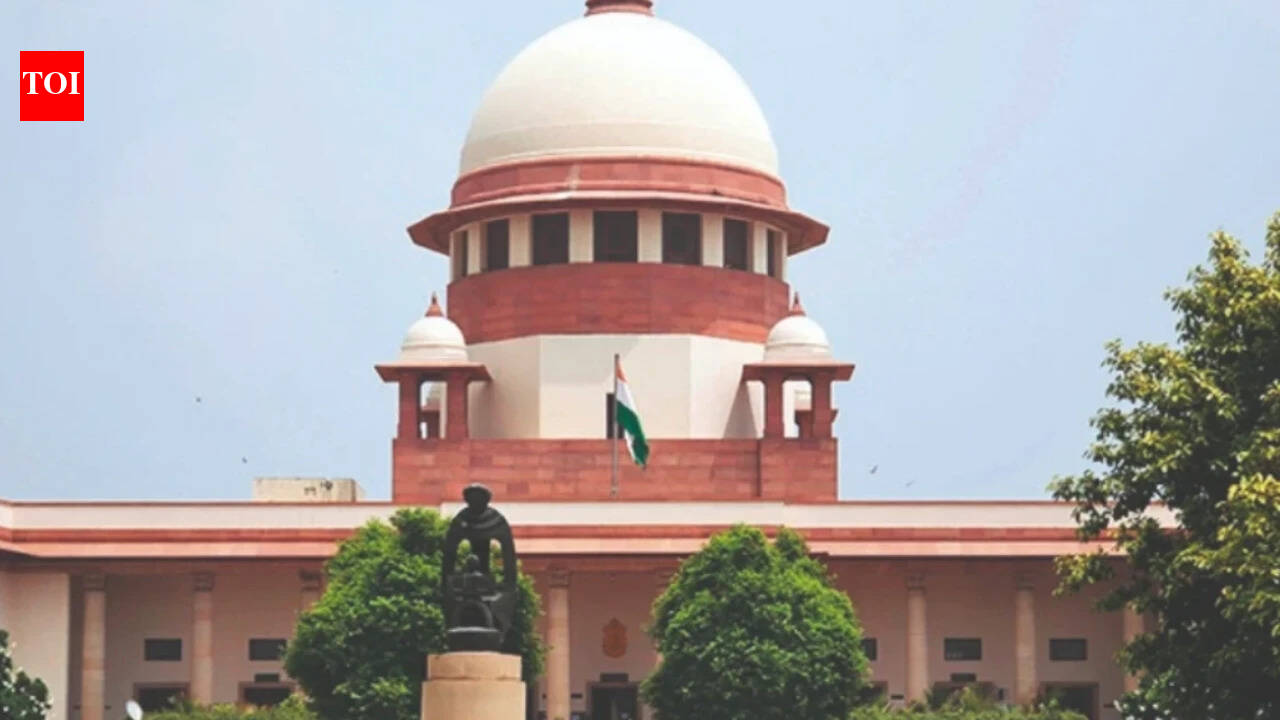
The Supreme Court of India has affirmed that internet access is a fundamental right for children, rejecting blanket bans in favor of safer digital environments. The Court ordered social media platforms to implement 'child mode' features and strictly curb child sexual exploitation material.
The Digital Frontier: Balancing Rights and Safety for Minors
In a landmark development, the Supreme Court of India has affirmed that access to the internet constitutes a fundamental right for all individuals, explicitly including children, under Articles 21 and 19(1)(a) of the Constitution. The bench, comprising Justices J.B. Pardiwala and K. Vinod Chandran, emphasized that the fundamental right to digital access is not mutually exclusive with the necessity of protecting minors from online harm. This ruling marks a significant shift in judicial philosophy, moving away from restrictive policies toward a model of managed, safe engagement.
Moving Beyond Blanket Restrictions
The judiciary has explicitly rejected the efficacy of blanket bans, noting that such measures often drive children toward unregulated, less secure platforms rather than preventing exposure to harmful content. The Court observed that children will inevitably seek internet access despite legal prohibitions; therefore, the focus must shift from denial to regulation. By acknowledging that digital access is a constitutional entitlement, the Court is setting a precedent that requires the state and private entities to foster an environment where children can exercise their rights without being exposed to predatory or abusive material.
The Mandate for 'Child Mode' and Platform Accountability
A core component of the Court’s directive involves the implementation of a 'child mode' for social media accounts. This proposal aims to provide a filtered, safer experience that shields minors from inappropriate content while maintaining their ability to participate in the digital ecosystem. The Court has expressed deep concern over the failure of social media intermediaries to meet their legal obligations, particularly regarding the reporting and removal of Child Sexual Exploitation and Abuse Material (CSEAM).
Addressing Systematic Lapses in Content Moderation
The proceedings, initiated by the ‘Just Rights for Children Alliance’, highlighted a systemic failure by platforms to comply with previous directives issued in 2024. The Court has taken a stern stance, ordering intermediaries to ensure that no material with the propensity to harm children is hosted, uploaded, or promoted—specifically targeting content hidden behind paywalls or subscription services. This directive forces platforms to adopt more robust, proactive moderation technologies to identify and block harmful imagery effectively.
Broader Implications for Digital Governance
This ruling signals a new era of digital governance in India, where the onus of child safety is placed squarely on technology companies rather than the end-user. By mandating a centralised reporting procedure and strict compliance, the Supreme Court is forcing a paradigm shift in how social media giants operate within the Indian jurisdiction. Future trends will likely involve mandatory integration of age-verification protocols and AI-driven content monitoring systems as standard features for all major platforms.
Conclusion: A Constitutional Foundation for the Future
Ultimately, the Supreme Court’s decision reinforces the idea that the digital world is an extension of the physical world, subject to the same constitutional protections. By balancing individual liberty with the state's duty to protect vulnerable populations, the Court has provided a framework that prioritizes child safety without compromising the fundamental right to information and expression. The success of this directive will now depend on the strict enforcement of these mandates and the willingness of tech platforms to prioritize user safety over engagement metrics.
Multiple Citing Sources