‘Self-proclaimed journalists’ may not get same protection as accredited ones, says SC
Source Entity
The Indian Express
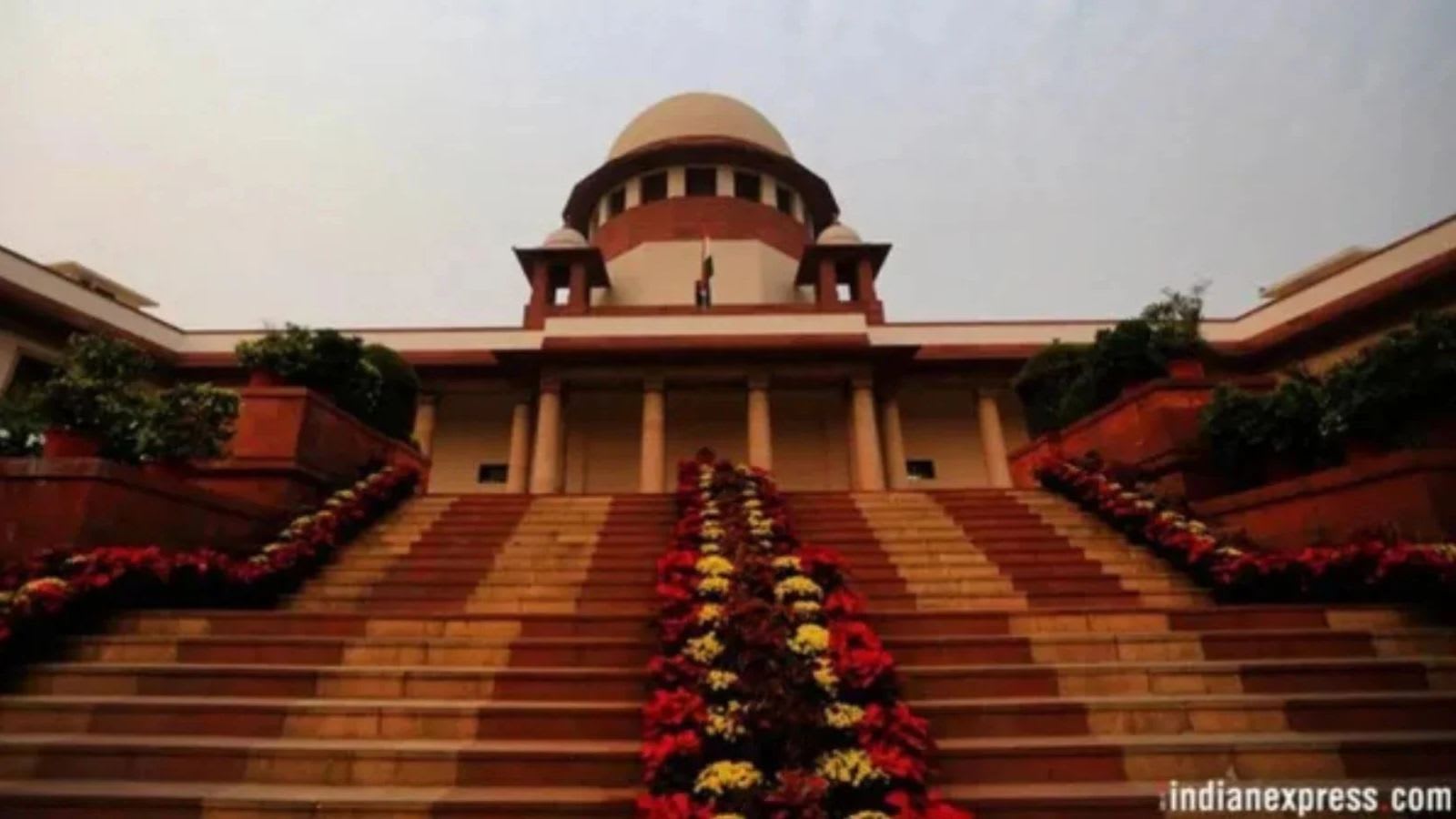
The Supreme Court has clarified that self-proclaimed journalists may not be entitled to the same legal protections as accredited professionals during protests. The court has appointed a committee to investigate allegations of police misconduct during October's anti-CEC demonstrations.
Supreme Court Defines Limits on Journalist Protection
The Supreme Court of India has recently initiated a critical legal discourse regarding the definition and protection of media personnel during civil unrest. While hearing petitions concerning allegations of police high-handedness during anti-Chief Election Commissioner (CEC) protests in Delhi this past October, a three-judge bench headed by Chief Justice Surya Kant emphasized that the status of a 'journalist' is not a self-conferred title, but one defined by professional accreditation.
The Distinction of Accreditation
The core of the judicial observation lies in the distinction between institutionalized media and those who operate as independent content creators or 'self-proclaimed' journalists on digital platforms. The court noted that individuals associated with established newspapers or print media benefit from systemic accreditation, which acts as a form of professional verification. This distinction is significant in the context of protest management, where law enforcement must balance the right to report with the maintenance of public order.
Investigating Police Conduct
Beyond the definitional debate, the Supreme Court has taken a proactive stance on the allegations of abuse and wrongful detention leveled against the Delhi Police. By appointing an inquiry committee headed by former Supreme Court judge Justice Subhash Reddy, the bench has signaled that regardless of the accreditation status of the individuals involved, the state's use of force remains subject to judicial scrutiny. This committee is tasked with providing a factual report on the events that transpired during the October demonstrations.
Implications for Digital Journalism
The court’s remarks reflect a broader, evolving challenge in the digital age: how to legally categorize and protect the growing number of independent reporters who utilize social media and digital platforms to document public events. By stating that status cannot be 'self-conferred,' the judiciary is hinting at the need for a more standardized framework for digital media, which could have long-term implications for how independent observers are treated by security forces during volatile situations.
Balancing Rights and Order
This case highlights the ongoing tension between the freedom of the press and the operational requirements of law enforcement. While the court appears to be setting a threshold for who qualifies for special protections, it is simultaneously ensuring that allegations of police excesses are not ignored. The findings of Justice Subhash Reddy's committee will likely serve as a precedent for future interactions between authorities and the diverse array of individuals documenting public protests.
Future Trends in Media Regulation
Looking forward, this legal development suggests that the judiciary may favor a more structured approach to media rights. As the line between traditional journalism and digital content creation continues to blur, the Supreme Court’s insistence on professional credentials may push for a formalization of digital media, potentially leading to new policy guidelines that define the rights and responsibilities of all individuals covering public demonstrations in India.