Menstrual hygiene: Supreme Court expresses displeasure over States, UTs not responding to Centre
Source Entity
India Latest News: Top National Headlines Today & Breaking News | The Hindu
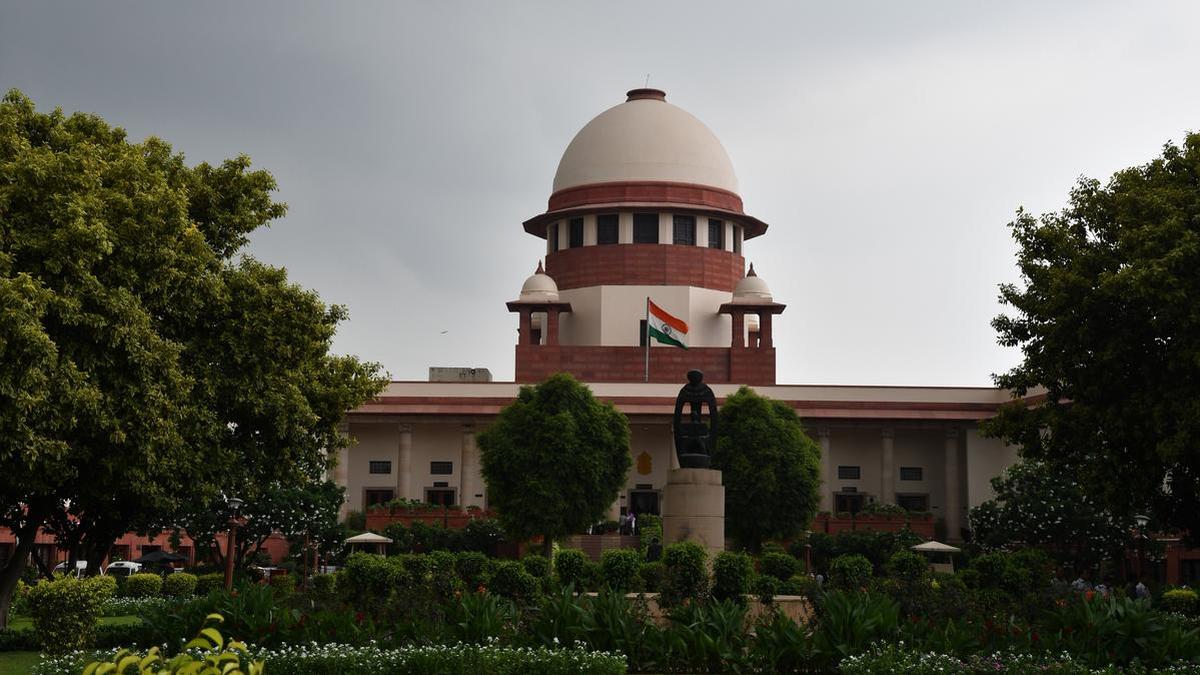
The Supreme Court has reprimanded Indian States and Union Territories for failing to report on the implementation of menstrual hygiene policies. The court previously ruled that menstrual health is a fundamental right under Article 21.
The Supreme Court’s Stance on Menstrual Hygiene as a Fundamental Right
The Supreme Court of India has recently voiced significant dissatisfaction regarding the inertia displayed by various States and Union Territories in implementing protocols for menstrual hygiene. By categorizing menstrual health as an intrinsic component of the Right to Life and Personal Liberty under Article 21 of the Constitution, the judiciary has elevated this issue from a mere welfare concern to a constitutional mandate. The court’s frustration stems from the lack of accountability and communication from regional governments following a specific directive issued on September 1.
The Constitutional Significance of Menstrual Health
By tethering menstrual hygiene to Article 21, the Supreme Court has fundamentally changed the legal landscape regarding reproductive health in India. This interpretation suggests that the state has an affirmative obligation to ensure that individuals have access to the resources, privacy, and sanitation necessary to manage menstruation with dignity. When the court notes that its judgments cannot remain mere words on paper, it highlights a recurring challenge in Indian jurisprudence: the gap between judicial pronouncements and executive enforcement.
Challenges in Executive Implementation
The Bench, consisting of Justices J.B. Pardiwala and R. Mahadevan, emphasized that the failure to respond to the Centre’s inquiries effectively stalls the realization of this fundamental right. The logistical complexity of delivering menstrual hygiene products and infrastructure to diverse geographic regions—spanning from urban centers to remote rural villages—is immense. However, the court’s firm stance indicates that administrative difficulty does not absolve states of their constitutional duty to facilitate basic health standards.
Assessing the Current Policy Gap
The lack of response from State and Union Territory governments suggests a potential breakdown in federal coordination. For a national policy on menstrual hygiene to succeed, there must be a synchronized effort between the Union government, which provides the framework, and the state governments, which manage localized delivery systems. The court's demand for status reports is intended to force transparency and ensure that the deficiencies highlighted in previous hearings are not merely acknowledged but actively remediated.
Future Trends and Judicial Oversight
Moving forward, it is likely that the Supreme Court will adopt a more rigorous oversight mechanism to ensure compliance. If states continue to ignore these directives, the court may be forced to initiate stricter monitoring processes or set rigid timelines for the rollout of hygiene programs. This ongoing legal battle underscores a growing trend where the judiciary acts as a catalyst for social reform, compelling the executive branch to prioritize public health initiatives that are often sidelined in traditional policy cycles.
Conclusion: Moving Beyond Paper Policy
Ultimately, the Supreme Court’s displeasure serves as a wake-up call for state administrations. The transition from recognizing menstrual hygiene as a fundamental right to ensuring its practical availability is a long-term endeavor that requires consistent political will and budgetary allocation. As the matter proceeds, the focus will remain on whether the states can bridge the gap between constitutional theory and the lived reality of millions of citizens who rely on these health services.
Verification Required?