Supreme Court orders fresh probe into 2012 rape-murder near Dharmasthala in Karnataka
Source Entity
India Latest News: Top National Headlines Today & Breaking News | The Hindu
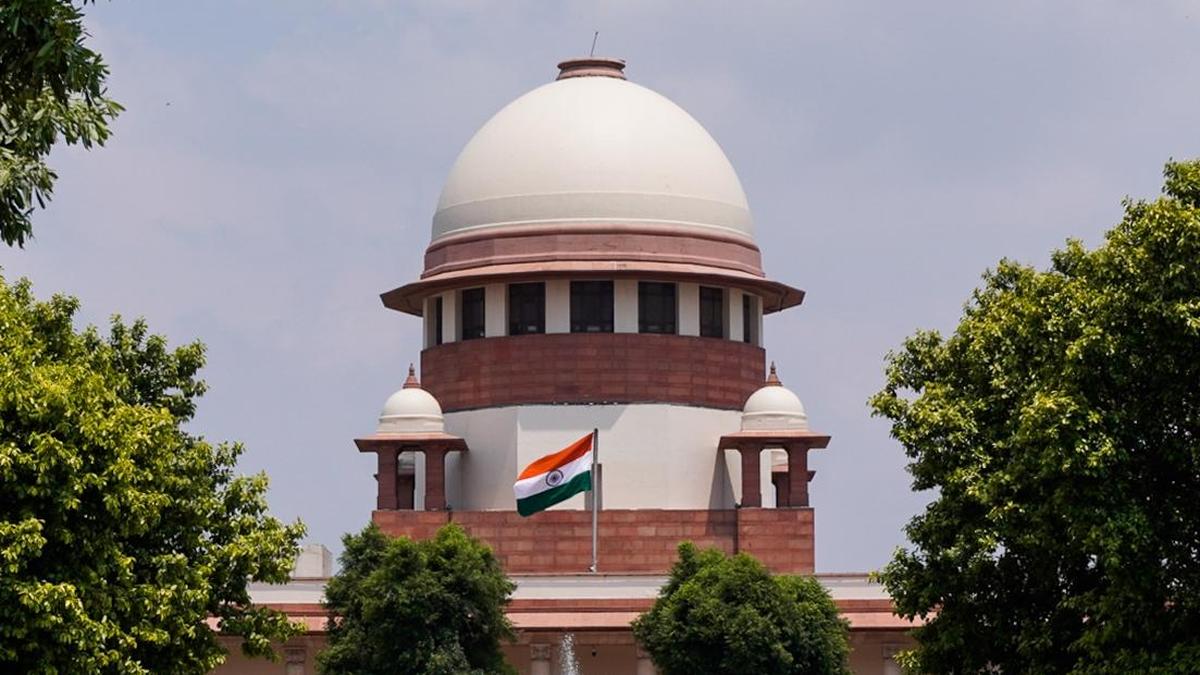
The Supreme Court has ordered a fresh SIT investigation into the 2012 rape and murder of a teenager in Dharmasthala, citing a botched initial probe. This follows the 2023 acquittal of the lone accused and the mother's persistent legal battle for justice.
Supreme Court Mandates Fresh Probe into 2012 Dharmasthala Case
In a significant legal development, the Supreme Court of India has ordered a fresh investigation into the 2012 rape and murder of a 17-year-old girl near Dharmasthala, Karnataka. The bench, comprising Justice Sanjay Kumar and Justice Sanjeev Sachdeva, expressed profound dissatisfaction with the initial handling of the case, declaring that the nature of the previous investigation "shocks the conscience" of the court. This directive follows a prolonged legal battle initiated by the victim's parents, culminating in the mother's appeal after the untimely death of her husband while the petition was pending.
A History of Legal Failure
The case, which has remained a source of public anguish for nearly 14 years, saw its primary judicial turning point in June 2023 when a Central Bureau of Investigation (CBI) court acquitted the lone accused, Santosh Rao. The acquittal left the victim's family without closure, prompting them to approach the Karnataka High Court for a fresh investigation. However, the High Court’s dismissal of their plea in August 2024 necessitated the intervention of the Supreme Court, which has now set aside that judgment to ensure that the search for the real culprits is not abandoned.
Mandate for a Tech-Savvy SIT
The Supreme Court has been explicit in its requirements for the new investigative body. It has ordered the State to constitute a "tech-savvy and efficient" Special Investigation Team (SIT) to take over the case. Crucially, the court has mandated that no officer who was previously associated with the Belthangady Police Station, the CID, or the CBI teams involved in the original investigation may be part of this new SIT. This exclusion is a clear attempt to eliminate bias, conflict of interest, and the procedural negligence that characterized the initial failure to secure justice.
Strict Timelines and Judicial Oversight
Recognizing the urgency of the matter and the significant time that has already elapsed, the Supreme Court has set a firm deadline of three months for the completion of the fresh investigation. The SIT is required to file a comprehensive police report before the relevant trial court upon the conclusion of this period. By imposing this strict timeline, the judiciary aims to prevent the bureaucratic stagnation that often plagues cold cases, ensuring that the investigative process remains focused and accountable.
Broader Implications for Criminal Justice
This order serves as a stinging indictment of the investigative failures that have plagued the case for over a decade. The Supreme Court's intervention underscores the judiciary's role as the final arbiter of justice when state investigative machinery fails to uphold its duties. The persistent struggle of the victim's family, who refused to let the case fade into obscurity despite the acquittal of the original suspect, highlights the critical importance of victim-centric advocacy in the Indian legal system. As the new SIT begins its work, the focus remains on whether modern forensic technologies and a fresh perspective can uncover the truth that remained elusive for 14 years.
Verification Required?