Supreme Court quashes Guwahati high court order on 27 'foreigners'
Source Entity
AMIT ANAND CHOUDHARY
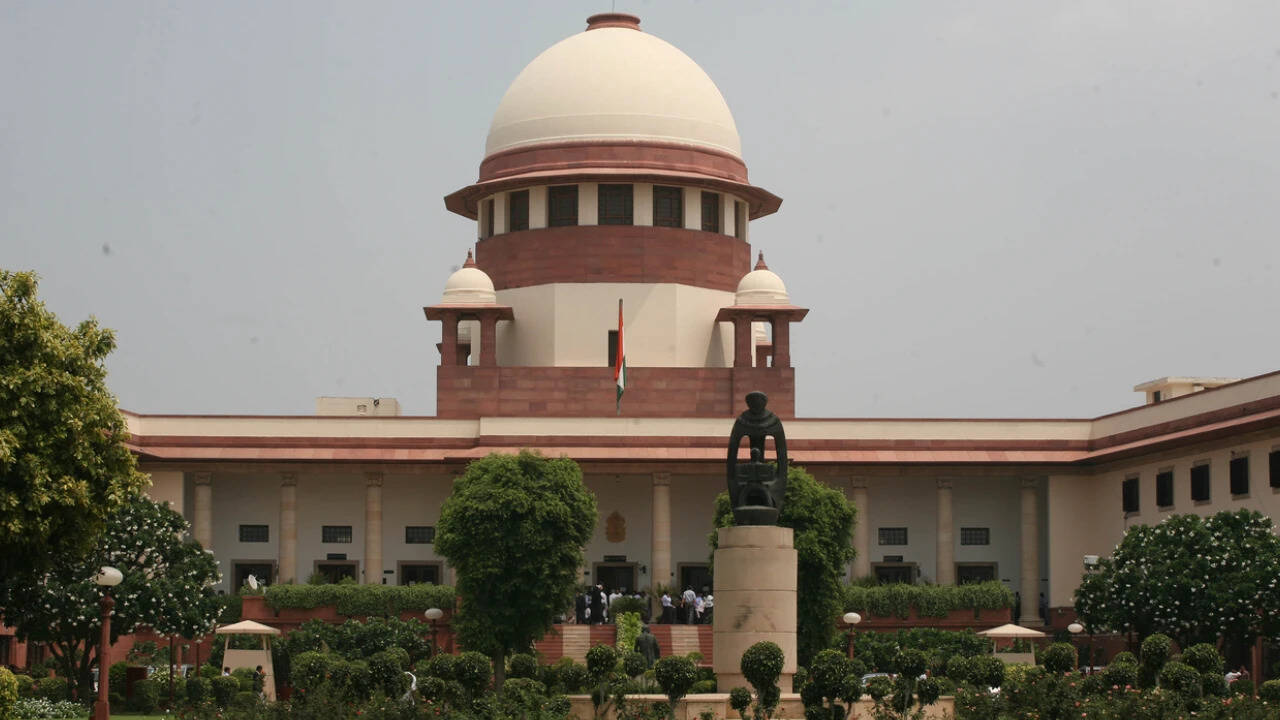
The Supreme Court stressed fair procedures for declaring individuals foreign nationals. It found fault with tribunals and the Guwahati High Court's actions. Many orders were quashed as they lacked hearings for affected people. The court directed tribunals to provide fresh hearings and reconsider cases. This ensures lawful adjudication and protects constitutional rights for all.
Upholding Due Process: The Supreme Court's Intervention in Citizenship Determinations
In a significant ruling that reinforces the primacy of procedural fairness over summary adjudication, the Supreme Court of India has quashed an order from the Guwahati High Court regarding 27 individuals labeled as 'foreigners.' The apex court's intervention comes as a critical correction to a legal process that failed to adhere to the basic tenets of natural justice. By overturning these orders, the Supreme Court has sent a clear signal that the determination of citizenship—a status that carries profound implications for an individual's fundamental rights—cannot be conducted in a vacuum of procedural lapses.
The Failure of Natural Justice and 'Audi Alteram Partem'
The core of the Supreme Court's critique lies in the absence of fair hearings for the 27 affected individuals. In legal jurisprudence, the principle of audi alteram partem (hear the other side) is a cornerstone of a fair trial. The court found that the tribunals and the Guwahati High Court had bypassed this essential requirement, effectively rendering the declarations of 'foreign national' status arbitrary. When a state entity seeks to strip an individual of their residency or citizenship rights, the burden of proof is high, and the opportunity for the accused to present evidence and contest claims is not a mere formality but a constitutional mandate.
The Role and Risk of Foreigners Tribunals
To understand the gravity of this event, it is necessary to look at the functioning of Foreigners Tribunals. These are quasi-judicial bodies specifically tasked with deciding whether a person is a citizen of India or a foreigner. Because these tribunals operate with a specialized mandate, there is often a risk of prioritizing administrative efficiency over judicial rigor. In this specific case, the Supreme Court identified a systemic failure where the tribunals' actions were upheld by the High Court despite a lack of substantive hearings. This highlights a dangerous trend where the 'foreigners' label can be applied without sufficient evidentiary scrutiny, potentially leading to wrongful detention or deportation.
Constitutional Implications and Article 21
This ruling is deeply anchored in the protection of constitutional rights, specifically Article 21 of the Indian Constitution, which guarantees the right to life and personal liberty. The declaration of an individual as a 'foreigner' often leads to immediate detention in centers and the loss of access to basic civic amenities, healthcare, and employment. By directing the tribunals to provide fresh hearings, the Supreme Court is ensuring that the state's power to regulate borders does not override the individual's right to a lawful adjudication. This creates a legal safeguard against the potential for systemic bias or administrative haste in sensitive regional contexts.
Regional Sensitivity and Legal Precedents
Given that this case originated in the Guwahati High Court, it carries immense weight due to the historical and political sensitivity surrounding citizenship and migration in Northeast India. The region has seen extensive efforts to identify undocumented immigrants, often through complex and contentious processes. By insisting on 'lawful adjudication,' the Supreme Court is attempting to balance national security concerns with human rights. This decision serves as a precedent for thousands of other pending cases in similar tribunals, asserting that no matter the political urgency, the rule of law must prevail.
Conclusion: A Mandate for Systemic Correction
Ultimately, the Supreme Court's decision to quash the orders and mandate fresh hearings is a victory for the rule of law. It underscores that the judiciary's primary role is to act as a check on executive and quasi-judicial overreach. Moving forward, this ruling will likely compel Foreigners Tribunals to be more meticulous in their documentation and more transparent in their hearing processes. The outcome for these 27 individuals now rests on a fair reconsideration, ensuring that their fate is decided by evidence and law rather than procedural shortcuts.