No reservation for OBC, Dalits who convert: SC
Source Entity
AMIT ANAND CHOUDHARY
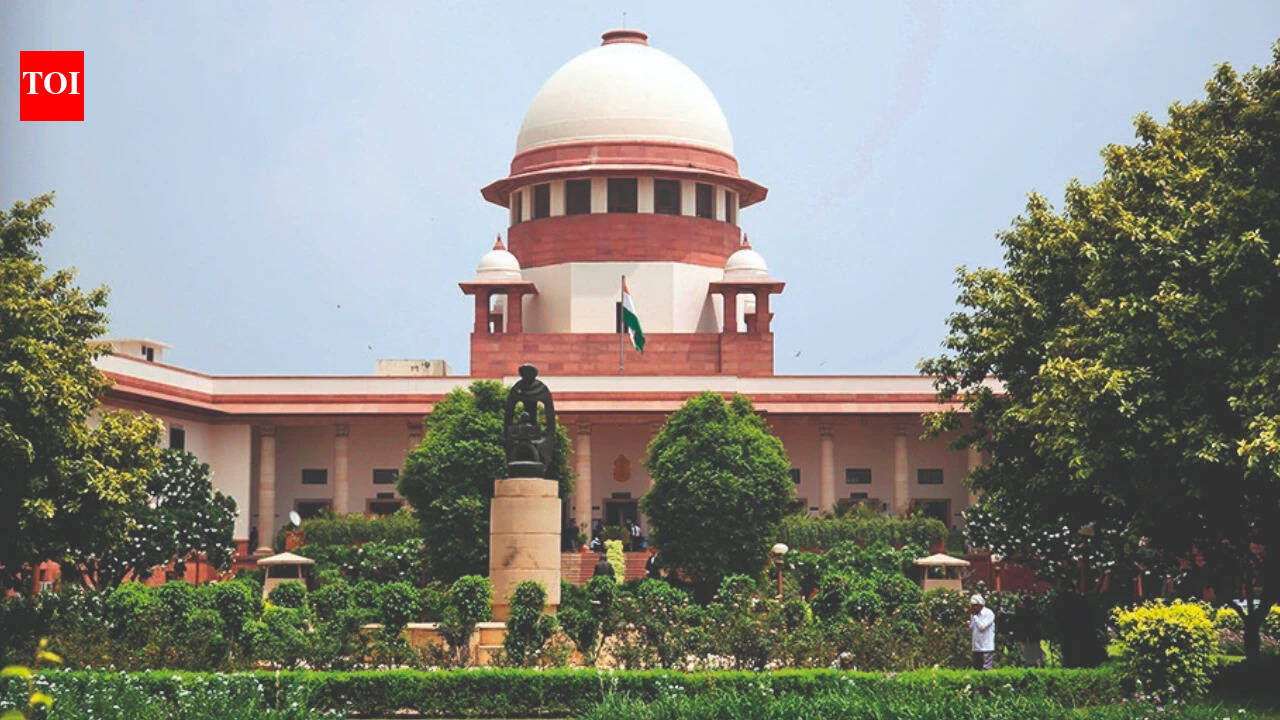
The Supreme Court of India has ruled that individuals from Scheduled Castes or OBC categories lose their entitlement to reservation benefits upon converting to a non-Hindu religion. The court emphasized that backwardness is linked to specific social orders rather than being a transferable personal status.
Supreme Court Ruling on Religious Conversion and Reservation
In a significant judicial development, the Supreme Court of India has clarified the legal standing of reservation benefits in the context of religious conversion. The Court ruled that individuals belonging to Scheduled Castes (SC) or Other Backward Classes (OBC) who convert from the Hindu social order to a non-Hindu religion are no longer eligible for reservation benefits. This judgment reinforces the existing legal framework regarding the sociological underpinnings of affirmative action in India.
The Legal Logic of Backwardness
The core of the Supreme Court's reasoning lies in the interpretation of 'backwardness.' The Court held that the socio-economic backwardness suffered by a person within the Hindu social order is intrinsically tied to that specific religious structure. Consequently, this status cannot be 'carried forward' or transferred to a new religion. The judiciary underscored that reservation is not an individual’s personal property or entitlement, but rather a benefit attached to a constitutionally identified class whose status is defined by historical social conditions.
Constitutional Identification and Class-Based Benefits
By distinguishing between individual entitlement and group identity, the Supreme Court has reaffirmed that reservation is designed to address systemic inequalities prevalent within specific social structures. The ruling clarifies that when an individual moves outside the identified 'Hindu social order,' the constitutional basis for their reservation claim is severed. This aligns with the constitutional intent to provide redress for historical discrimination experienced specifically within the caste hierarchy of the Hindu religion.
Historical Context and Legal Precedent
This ruling aligns with long-standing debates in Indian jurisprudence regarding the intersection of faith and constitutional protections. Historically, the Indian legal system has maintained that the Scheduled Caste status is deeply rooted in the caste-based discrimination prevalent in Hindu society. While there have been ongoing legal petitions seeking to extend these benefits to converts, the judiciary has consistently maintained a strict interpretation of the constitutional orders that define these protected classes.
Broader Implications for Social Policy
The implications of this judgment are far-reaching for both policy-makers and the public. It establishes a firm boundary for the state in administering affirmative action, emphasizing that the criteria for reservations are static in their religious association. As India continues to navigate complex debates on social justice, this ruling serves as a definitive reference point for how courts interpret the nexus between religious identity, social status, and constitutional rights.
Concluding Summary
Ultimately, the Supreme Court’s decision serves to preserve the integrity of the reservation system as it was constitutionally designed. By ruling that backwardness is not a transferable status upon conversion, the Court has provided legal certainty on a contentious issue. This judgment ensures that affirmative action remains targeted toward the specific social groups identified by the Constitution, maintaining the structural focus of India’s social welfare policies.