Can a Hindu man automatically claim share in his grandfather’s property? What SC held
Source Entity
Amaal Sheikh
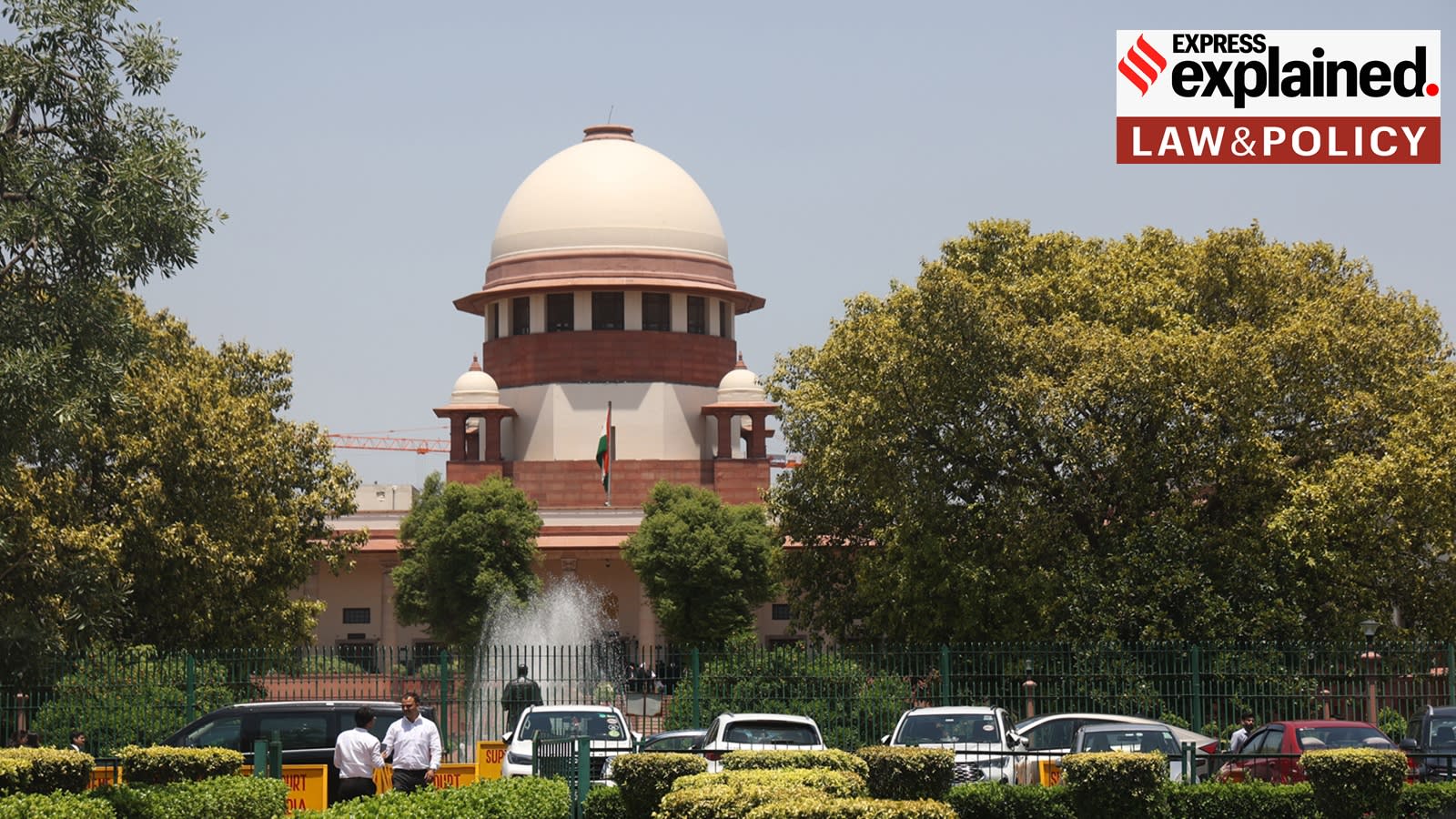
The Supreme Court has clarified that a son does not automatically possess a birthright to his father's self-acquired property. The ruling affirms that a father remains the absolute owner, capable of excluding his son from inheritance under the Hindu Succession Act.
Understanding the Supreme Court’s Ruling on Ancestral Property
The Legal Clarification
The Supreme Court of India recently delivered a significant verdict clarifying the limits of inheritance rights under the Hindu Succession Act of 1956. The core of the judgment revolves around a fundamental question: does a son have an automatic, inherent right to his father’s property simply by virtue of his birth? The Court’s definitive answer is 'no,' establishing that a man who inherits property from his father becomes the absolute owner of that asset. Consequently, he possesses the legal autonomy to manage, transfer, or even exclude his own son from that specific property.
The Genesis of the Dispute
This legal battle originated from a partition suit filed in 1997. The suit was initiated on behalf of a minor son, represented by his mother, challenging the distribution of property originally belonging to N. Ramakrishnan. The litigation highlights the common familial friction surrounding property claims and the persistent misconception that 'birthright' grants an immediate, enforceable claim over assets held by a living parent. By addressing this case, the Supreme Court has sought to provide clarity on the distinction between ancestral property and self-acquired or inherited assets.
The Hindu Succession Act and Absolute Ownership
Under the Hindu Succession Act, the nature of property ownership is paramount. When a father inherits property from his own father, it does not automatically transform into 'coparcenary' property where the grandson has an immediate stake. Instead, the law recognizes the father as the absolute owner. This legal designation is critical because it empowers the individual to deal with the property as they deem fit. The Court’s interpretation reinforces the principle that personal autonomy over private property is protected, provided the assets are not classified as joint family or ancestral property in the strict legal sense.
Implications for Future Inheritance Litigation
This ruling serves as a cautionary tale for families engaged in long-standing property disputes. By affirming that birth alone does not confer an immediate share in a grandfather’s property while the father is still alive, the Court has likely narrowed the scope for future litigation based on the 'birthright' argument. This decision aligns with the broader judicial trend of prioritizing clear title and absolute ownership rights, which helps in reducing the backlog of partition suits that often languish in Indian courts for decades.
Concluding Thoughts
The Supreme Court’s recent verdict is a decisive step toward simplifying property laws in India. By clarifying that a son's claim is not automatic, the judiciary has reinforced the importance of the Hindu Succession Act’s provisions regarding absolute ownership. As families navigate the complexities of inheritance, this judgment stands as a definitive reference point, emphasizing that legal rights to property are governed by specific statutory frameworks rather than abstract concepts of familial entitlement.