Supreme Court seeks status report over alleged assault of Delhi lawyer
Source Entity
Latest News: Today's Latest News Headlines from India & World | Hindustan Times | Hindustan Times
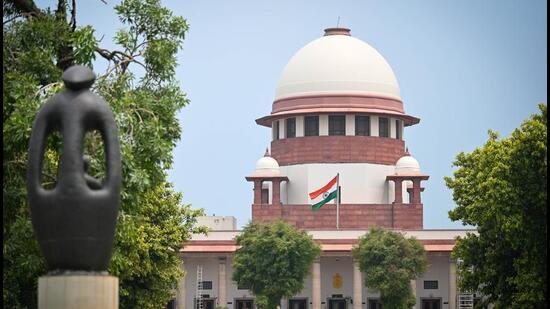
The Supreme Court sought a report on the investigation and whether any action was taken on the subsequent complaint about a threat
Judicial Intervention in the Assault of a Legal Professional
In a significant move to ensure the safety of legal practitioners, the Supreme Court of India has sought a formal status report regarding the alleged assault of a lawyer based in Delhi. This intervention comes at a critical juncture where the court is examining not only the primary physical assault but also the subsequent threats reported by the victim. By demanding a detailed update on the investigation, the apex court is signaling that violence against officers of the court will not be tolerated and that law enforcement agencies must be held accountable for their responsiveness.
The Role of the 'Officer of the Court'
To understand the gravity of this case, it is essential to recognize that lawyers are regarded as "officers of the court." Their role is pivotal in the administration of justice, acting as the bridge between the aggrieved party and the judiciary. When a lawyer is targeted through physical violence or intimidation, it is viewed not merely as a crime against an individual, but as an attack on the legal system itself. The Supreme Court's decision to seek a status report underscores the necessity of protecting those who navigate the adversarial nature of legal battles, ensuring they can perform their duties without fear of retribution.
Police Accountability and Judicial Oversight
One of the most critical aspects of this development is the court's specific inquiry into whether action was taken on the complaint regarding subsequent threats. In many instances, initial assaults are followed by intimidation tactics designed to force the victim to withdraw their complaint or cease their legal activities. By specifically questioning the police's response to these threats, the Supreme Court is addressing the systemic issue of police inertia. This judicial oversight ensures that the investigation does not stagnate and that the perpetrators are not allowed to leverage fear to obstruct the course of justice.
Broader Implications for Legal Safety in India
This case reflects a broader, worrying trend of increasing volatility surrounding legal disputes in urban centers like Delhi. Lawyers often find themselves in the crosshairs of powerful interests or emotionally charged litigants. When the state fails to provide an immediate and effective security response, it creates a chilling effect across the legal community. The Supreme Court's proactive stance serves as a deterrent to potential offenders and provides a sense of security to the legal fraternity, reinforcing the principle that the rule of law applies equally to all, regardless of the influence of the accused.
Predicting Future Legal Trends
Moving forward, this case may lead to a more standardized protocol for handling threats and assaults against legal professionals. We can expect the judiciary to push for faster filing of chargesheets and more stringent protection measures for witnesses and victims in cases involving professional intimidation. Furthermore, this event may trigger a wider conversation within the Bar Council and the judiciary regarding the implementation of comprehensive security frameworks for lawyers handling high-stakes litigation.
Conclusion
The Supreme Court's demand for a status report is a vital step in upholding the integrity of the legal profession. By focusing on both the initial assault and the subsequent threats, the court is ensuring a holistic investigation that prioritizes the safety of the victim. This action reinforces the judiciary's role as the ultimate guardian of justice, ensuring that those who serve the law are themselves protected by it.
Verification Required?