Cops, govt have failed to ensure public safety in Delhi: Supreme Court
Source Entity
AMIT ANAND CHOUDHARY
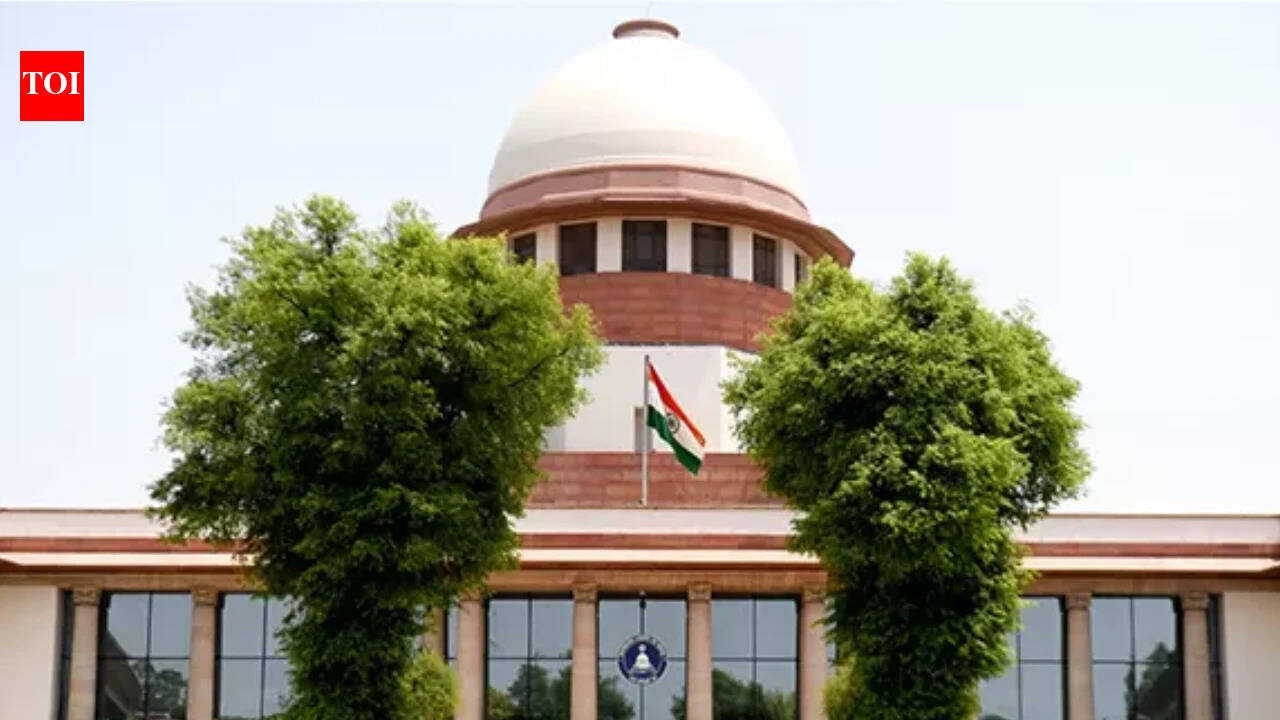
The Supreme Court has taken suo motu cognisance of rising sexual violence in Delhi, citing a failure of state machinery to protect public spaces. The bench drew disturbing parallels to the 2012 Nirbhaya case, demanding immediate accountability from the police and government.
Judicial Intervention on Public Safety in Delhi
The Supreme Court of India has taken a decisive and urgent stance regarding the deteriorating state of public safety in the national capital. By taking suo motu cognisance of recent, harrowing incidents of sexual assault—specifically the gang rape of a 17-year-old at Aastha Kunj park, an incident in Swaroop Nagar, and an assault inside a public bus—the bench comprising Justices JB Pardiwala and K Vinod Chandran has signaled that the current administrative response is inadequate.
A Distressing Echo of History
The Court’s explicit comparison of these recent events to the 2012 Nirbhaya case underscores the gravity of the situation. The Nirbhaya case served as a watershed moment for Indian criminal law and social policy, leading to significant legislative reforms. The fact that the judiciary now perceives a 'painful parallel' suggests that despite those legal advancements, the fundamental environmental safety of Delhi’s public spaces remains compromised, failing to provide the security that citizens, particularly minors and women, are entitled to.
The Failure of Administrative Oversight
The Supreme Court’s observation that both the Delhi Police and the government have failed in their primary duty to ensure public safety is a stark indictment. Public spaces—ranging from parks like Aastha Kunj to the public transport network—have effectively transformed into 'zones of high risk.' The Court’s inquiry seeks to hold the executive branch accountable for this systemic breakdown, demanding a formal response to explain why these spaces have become hotspots for violent crime rather than protected areas for the citizenry.
Societal Impact and Public Outcry
The urgency of this judicial intervention is mirrored by the growing civil unrest in the capital. Protests, such as those organized by students from Lady Shri Ram College, highlight the pervasive climate of fear among the youth. These demonstrations are not merely reactions to isolated crimes but represent a collective demand for structural changes in how the state monitors and secures public infrastructure, ensuring that gender-based violence is treated with the systemic priority it demands.
Future Trends and Accountability
Moving forward, this judicial push is expected to force a reconfiguration of Delhi's policing strategy. The Supreme Court's involvement typically mandates the implementation of specific safety protocols, increased surveillance, and improved lighting in vulnerable areas. However, as the Court has noted, the problem is not merely one of resources but of administrative failure. Future trends will likely focus on the legal accountability of police commissioners and government officials in preventing such recurring tragedies, moving beyond reactive measures toward proactive urban safety governance.
Multiple Citing Sources