Why Gyanesh Kumar row marks crucial reckoning in BJP vs INDIA bloc battle
Source Entity
Neerja Chowdhury
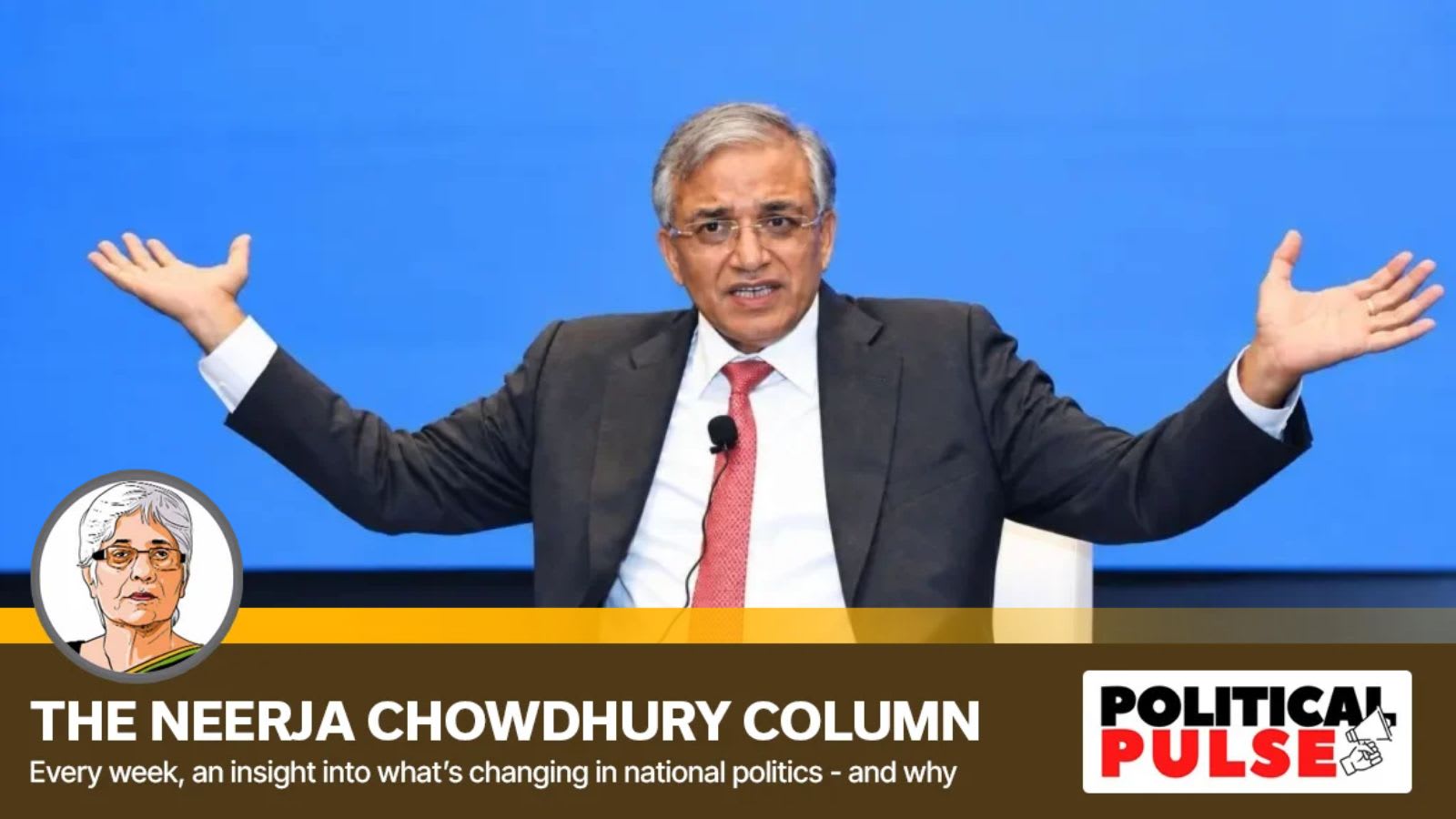
The Supreme Court is set to review a plea challenging the conduct of Chief Election Commissioner Gyanesh Kumar regarding electoral roll irregularities. Allegations of unilateral decision-making and mass voter deletions have sparked public protests and intense political scrutiny.
The Crisis of Electoral Integrity: A Judicial Reckoning
The Indian electoral landscape is currently facing a significant period of instability, as the Supreme Court prepares to hear a plea concerning the conduct of Chief Election Commissioner (CEC) Gyanesh Kumar. The legal challenge, brought forth by petitioner Rakesh Kumar Singh, focuses on the alleged unilateral decision-making within the Election Commission (EC), specifically highlighting that at least 14 critical decisions were finalized in the CEC's name despite formal objections from fellow commissioners S.S. Sandhu and Vivek Joshi. This internal friction signals a profound breakdown in the consensus-based functioning expected of a constitutional body.
The Controversy Over Voter Rolls
At the heart of the ongoing protests is the 'Special Intensive Revision' (SIR) process, an exercise that has come under fire for the alleged deletion of over 13 crore voters from draft electoral rolls. The scale of these deletions has prompted widespread alarm, leading to public demonstrations and calls for the CEC’s resignation. The integrity of the electoral roll is the bedrock of any democracy, and when such a massive number of voters are impacted, the institutional credibility of the Election Commission is naturally called into question.
Political Implications and Public Sentiment
This controversy has transcended administrative procedure to become a focal point in the broader political confrontation between the Bharatiya Janata Party (BJP) and the INDIA bloc. The sentiment on the ground reflects a deep-seated anxiety regarding the sanctity of the ballot. As evidenced by public discourse in the capital, the perception of electoral manipulation is fueling intense resentment. The invocation of historical figures like Bhagat Singh by citizens highlights the gravity with which the public views the potential erosion of their fundamental right to vote.
Institutional Friction and Decision-Making
The allegations regarding the 14 decisions made despite internal dissent suggest a departure from the collaborative model of governance within the EC. When two out of three commissioners record objections, the legitimacy of the resulting actions becomes a matter of constitutional concern. The judiciary's intervention in this matter will be pivotal, not only for the future of the current commission but for the precedents it sets regarding the accountability of independent constitutional authorities.
The Road Ahead
The upcoming Supreme Court hearing will likely determine the immediate future of the CEC and, by extension, the stability of the electoral process. The court will need to weigh the administrative autonomy of the commission against the necessity of democratic transparency and the protection of voter rights. As the nation watches, the outcome will serve as a crucial test for India's democratic institutions in ensuring that the electoral process remains free, fair, and above suspicion.