Supreme Court’s AI advice for poll panel in Trinamool vs Trinamool case
Source Entity
Ananthakrishnan G
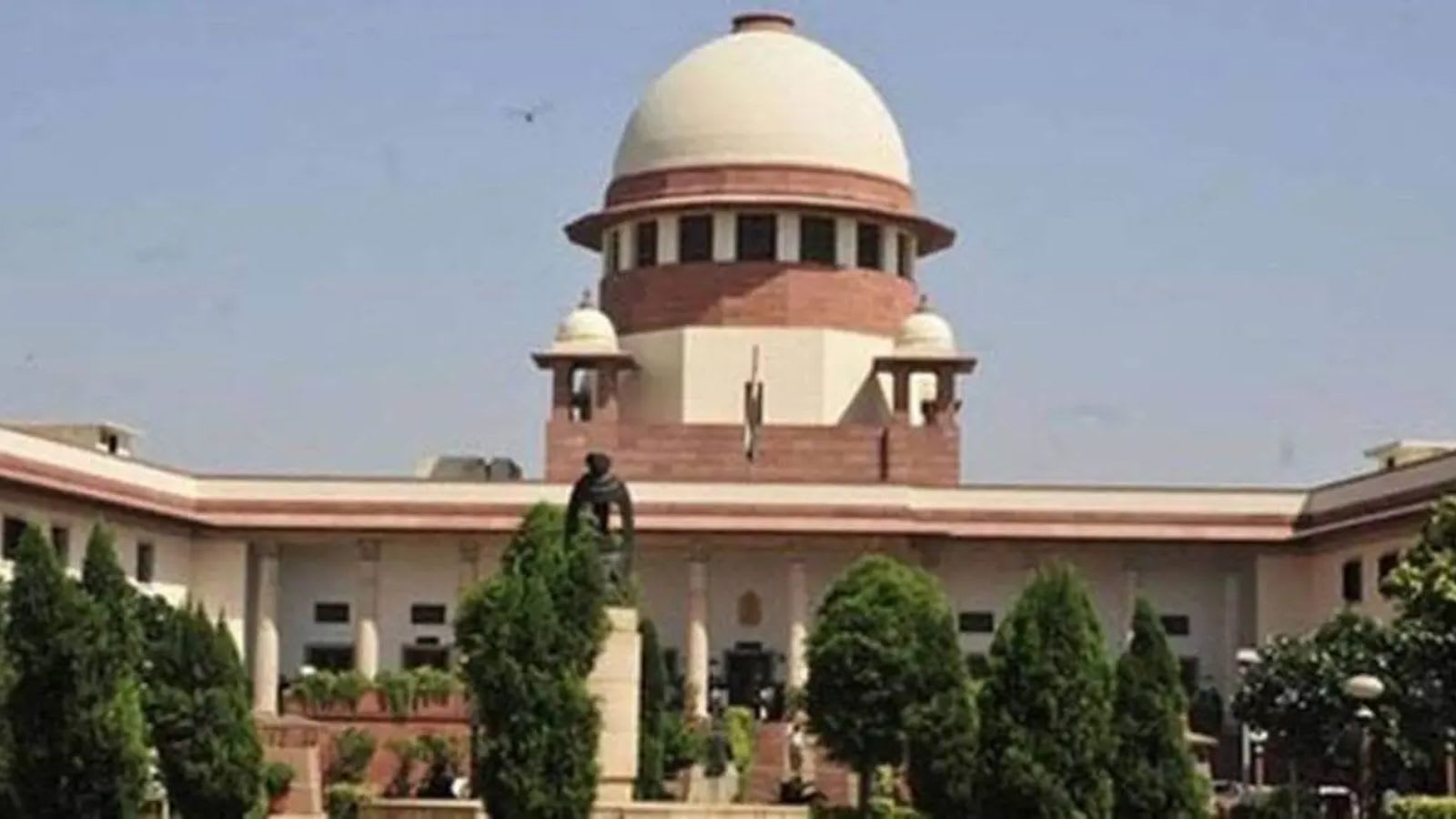
The Supreme Court has intervened in West Bengal's electoral and political crises, ordering hearings on voter roll exclusions and setting deadlines for defection disqualifications. The Court also urged the Election Commission to adopt AI tools to expedite the resolution of the Trinamool Congress factional dispute.
Judicial Intervention in West Bengal Political Crisis
The Supreme Court of India, led by Chief Justice Surya Kant, has taken a decisive role in addressing multiple electoral and constitutional challenges currently unfolding in West Bengal. As of September 28, 2026, the Court is managing a complex interplay of voter rights, legislative accountability, and party identity disputes, all occurring against the backdrop of critical upcoming bypolls.
Voter Disenfranchisement and the SIR Process
One of the most pressing issues brought before the bench is the Special Intensive Revision (SIR) of the State electoral roll. With bypolls for the Nandigram and Rejinagar constituencies scheduled for October 6, 2026, thousands of voters remain in legal limbo. Counsel for the petitioners highlighted that these citizens have been excluded from the rolls for the second time, including during the April 2026 Legislative Assembly elections. The Court has prioritized a hearing for October 5 to address these systemic exclusions, ensuring that the democratic right to vote is not further eroded by administrative delays.
Accountability under the Tenth Schedule
Simultaneously, the Court has exerted pressure on the West Bengal Assembly Speaker to resolve disqualification petitions by October 8, 2026. These petitions, brought by the Mamata Banerjee-led Trinamool Congress faction against the Ritabrata Banerjee faction, center on allegations of defection. Invoking the precedent set in the Keisham Meghachandra Singh versus Speaker, Manipur Legislative Assembly judgment, the Court emphasized that the Speaker must function effectively as a tribunal. By setting this deadline, the judiciary is reinforcing the sanctity of the Tenth Schedule, which is designed to prevent political instability caused by floor-crossing.
Leveraging Technology in Party Disputes
In a forward-looking move, the Supreme Court has suggested that the Election Commission (EC) utilize Artificial Intelligence and machine-learning tools to resolve the internal battle for the Trinamool Congress party name and symbol. The current deadlock has left the party’s identity frozen, a situation the EC initially requested six months to rectify. The Court, however, has firmly stated that three months is sufficient, suggesting that modern technical automation could expedite the review of the massive volume of documents involved in the factional feud.
Broader Implications and Future Trends
The intervention by the Supreme Court signals a shift toward a more proactive judiciary in matters of election administration and party governance. By pushing for the use of AI in resolving disputes, the Court is setting a benchmark for how constitutional bodies might handle high-stakes political litigation in the future. The pressure on the Speaker to meet strict timelines underscores a judicial intolerance for the stalling tactics often employed in defection cases.
Conclusion
The convergence of these issues—voter rights, legislative discipline, and the modernization of election dispute resolution—highlights a volatile political climate in West Bengal. As the Court maintains its oversight, the coming days will be critical in determining whether these administrative hurdles can be cleared before the upcoming bypolls, ultimately shaping the political landscape for the remainder of the government's term.
Multiple Citing Sources