SC gives poll panel 3 months to decide on symbol dispute between TMC factions
Source Entity
TNN
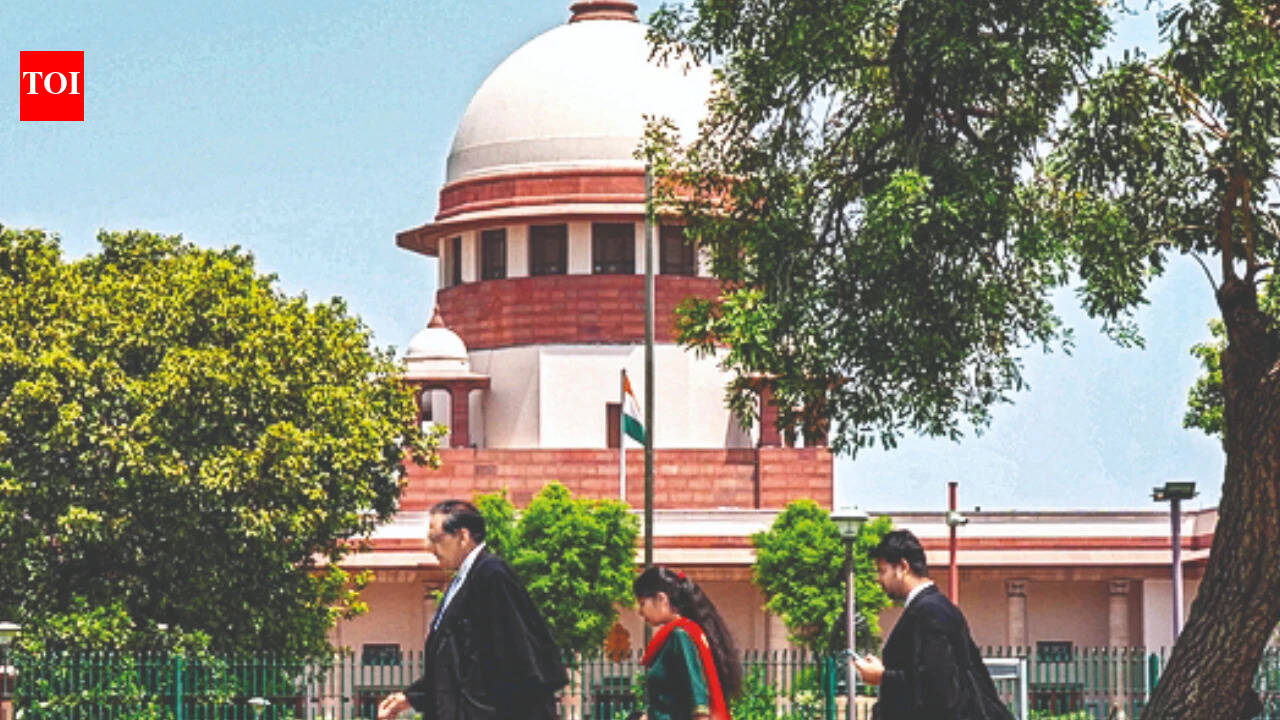
The Supreme Court has scheduled an urgent hearing regarding voter exclusions in West Bengal's electoral rolls ahead of upcoming bypolls. Concurrently, the court has set deadlines for the Election Commission and Assembly Speaker to resolve internal TMC symbol disputes and defection proceedings.
Judicial Intervention in West Bengal’s Electoral Integrity
The Supreme Court of India, under a bench led by Chief Justice Surya Kant, has intervened in a series of pressing political and procedural disputes in West Bengal. On September 28, 2026, the court prioritized a hearing scheduled for October 5 regarding the State’s Special Intensive Revision (SIR) of electoral rolls. This intervention comes on the eve of critical bypolls in the Nandigram and Rejinagar constituencies, highlighting a significant tension between administrative deadlines and the fundamental democratic right of franchise.
The Crisis of Electoral Exclusion
At the heart of the October 5 hearing is the grievance of thousands of voters who claim they have been wrongfully excluded from the state electoral rolls. Counsel representing these voters noted that this represents the second instance of disenfranchisement for these individuals, following similar issues during the April 2026 Legislative Assembly elections. The urgency is compounded by the October 6 bypoll date, as the court seeks to address these systemic failures that threaten to undermine the legitimacy of the electoral process in the state currently governed by Chief Minister Suvendu Adhi.
Resolving Intra-Party Factionalism
The judicial focus extends beyond voter rolls to the internal stability of political entities in West Bengal. The Supreme Court has issued a directive to the Election Commission of India, granting a three-month window to resolve the ongoing symbol dispute between rival factions of the Trinamool Congress (TMC). This administrative deadlock, involving the camps of Mamata Banerjee and Ritabrata Banerjee, serves as a significant hurdle for party recognition and campaign clarity, necessitating clear legal oversight to prevent further political fragmentation.
Anti-Defection and the Tenth Schedule
Furthermore, the court has set a strict deadline of October 8, 2026, for the West Bengal Assembly Speaker to conclude disqualification petitions filed under the Tenth Schedule of the Constitution. Invoking the precedent set in Keisham Meghachandra Singh versus Speaker, Manipur Legislative Assembly, the Supreme Court has emphasized that the Speaker, acting as a quasi-judicial tribunal, must exercise their duties without undue delay. This move aims to curb the political instability caused by alleged defections within the TMC.
Implications for Democratic Governance
The confluence of these judicial orders—covering voter rights, party symbols, and legislative disqualification—signals a period of intense legal scrutiny for West Bengal's political landscape. By setting specific timelines, the Supreme Court is asserting its role as a guarantor of constitutional compliance. The outcome of these proceedings will likely set a tone for how future election-related disputes are handled, emphasizing that administrative convenience must not supersede the rights of voters or the procedural requirements of the anti-defection law.
Conclusion
As the October deadlines approach, the judiciary's proactive stance serves as a check on both the executive and legislative branches in West Bengal. Whether it is ensuring that thousands of voters are not marginalized during the October 6 bypolls or forcing a resolution to the TMC’s internal power struggles, the Supreme Court is actively shaping the immediate political future of the state. The coming week remains critical for the restoration of electoral order and the stabilization of the state's legislative assembly.
Multiple Citing Sources