Trump government ads were funded by Homeland Security, WSJ reports
Source Entity
US Top News and Analysis
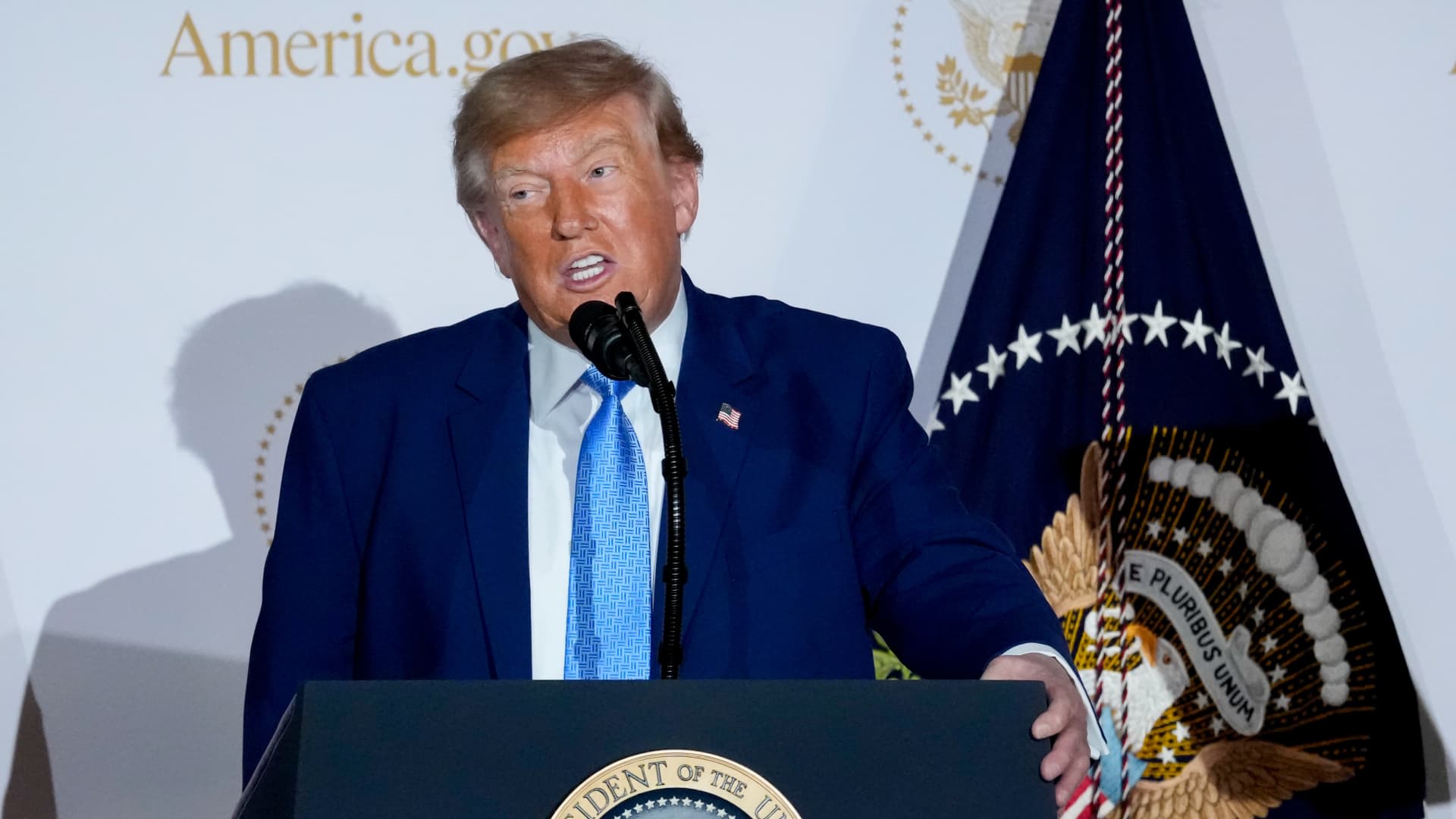
Reports reveal that U.S. Customs and Border Protection (CBP) utilized $20 million in government funds for partisan pro-Trump television advertisements. These spots, which highlight the President's legislative agenda, have sparked significant bipartisan scrutiny ahead of the midterm elections.
The Controversy of CBP-Funded Political Advertising
Recent reports from The Wall Street Journal have unveiled a significant controversy involving the Department of Homeland Security (DHS) and its subsidiary, U.S. Customs and Border Protection (CBP). According to the findings, the federal agency dedicated approximately $20 million in taxpayer funds toward a series of television advertisements that explicitly promote President Donald Trump’s political agenda. This allocation of resources has drawn immediate and intense scrutiny from Democratic appropriators who argue that the funding of campaign-style messaging by a non-partisan government agency represents a dangerous departure from established administrative norms.
Divergence from Traditional Agency Messaging
Historically, the CBP’s advertising budget is reserved for public safety initiatives, such as discouraging illegal immigration and informing the public about border security protocols. The new advertisements, however, represent a radical shift in tone and substance. Rather than focusing on operational mandates, these spots feature President Trump prominently, tout his economic tax cut policies, and engage in ideological rhetoric regarding communism. This pivot from functional public service announcements to political advocacy has led to questions regarding the misuse of federal funds for executive promotion.
Executive Involvement and Strategic Intent
Evidence suggests that this campaign was not merely an administrative oversight but a directed effort involving the highest levels of the executive branch. Reports citing individuals familiar with the matter indicate that President Trump was personally involved in the creation and conceptualization of these advertisements. By leveraging the CBP—an agency traditionally shielded from partisan electioneering—to broadcast messages that recycle specific campaign rhetoric, the administration effectively blurred the lines between official government communication and partisan political activity.
Bipartisan Scrutiny and Ethical Implications
Coming just weeks before the critical midterm elections, the timing of these advertisements has amplified the backlash. The use of $20 million in public funds to bolster the President's image during an active campaign cycle has triggered bipartisan concern regarding the ethical boundaries of executive power. Critics argue that using taxpayer dollars to influence voter sentiment through federal agencies undermines public trust in the neutrality of law enforcement and border security institutions.
Broader Implications for Federal Oversight
This incident highlights a growing tension between executive authority and congressional oversight. When government agencies like the CBP are utilized for political messaging, it sets a precedent that challenges the separation of campaign activities from official federal duties. As Democratic appropriators continue to investigate the funding mechanisms behind these ads, the case serves as a focal point for debates regarding the necessity of stricter guardrails against the political weaponization of federal department budgets in future election cycles.