Attend, Don't Just Write Articles: Mallikarjun Kharge's Lighthearted Dig At Shashi Tharoor
Source Entity
NDTV News Search Records Found 1000
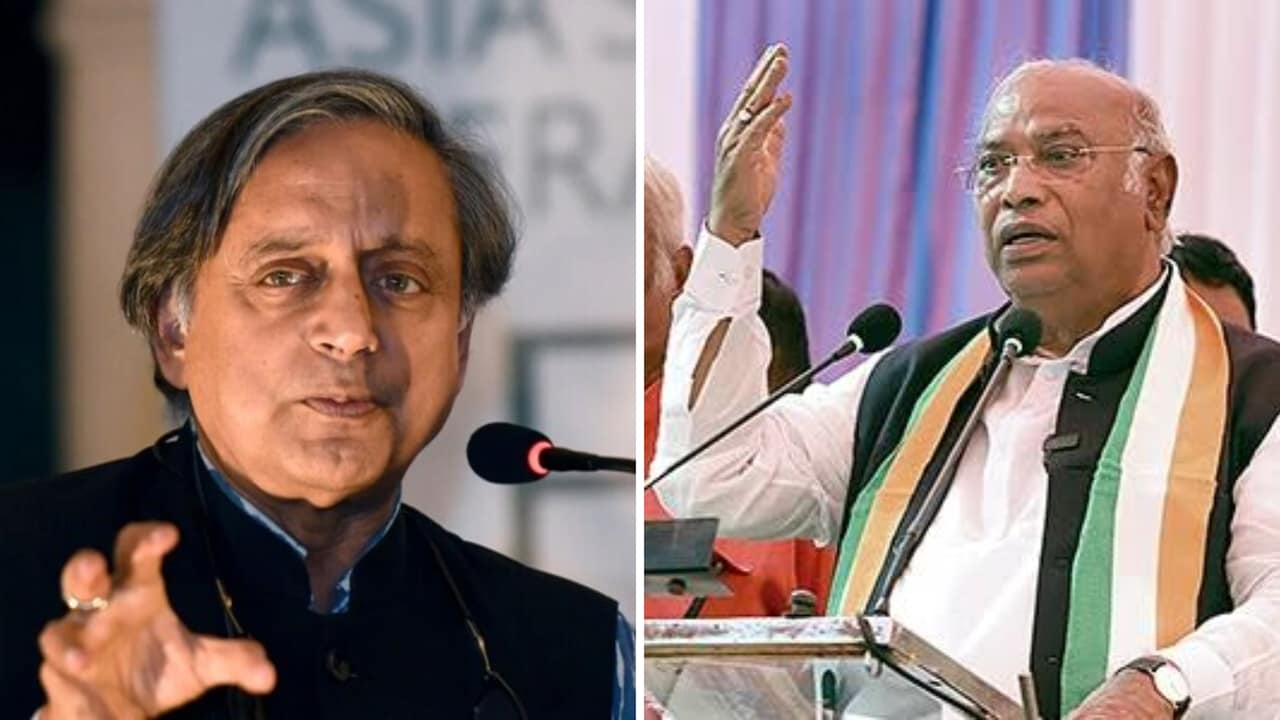
Congress President Mallikarjun Kharge made a lighthearted comment urging Shashi Tharoor to attend party meetings rather than just writing articles. The remark highlights the ongoing, complex internal relationship between the veteran leader and the intellectual parliamentarian.
A Lighthearted Jab in the Congress Corridors
During a recent political gathering, Congress President Mallikarjun Kharge directed a pointed, yet lighthearted, remark toward senior party leader Shashi Tharoor. Kharge suggested that Tharoor should prioritize attending party meetings over his frequent habit of writing articles. This interaction, while delivered with a sense of humor, serves as a window into the internal dynamics of the Indian National Congress as it navigates the modern political landscape.
The Intellectual vs. The Organization
Shashi Tharoor has long been recognized as one of the party’s most prominent intellectuals, frequently utilizing his writing and public speaking skills to articulate policy positions and critique the ruling government. However, Kharge's comment underscores a recurring tension within political organizations: the balance between high-level intellectual output and the day-to-day, often grueling, commitment to organizational attendance and grassroots engagement.
Historical Context of the Relationship
The relationship between Shashi Tharoor and the Congress party has historically been described as 'uneasy.' Tharoor, who brings a distinct global profile to the party, has occasionally found himself at odds with traditional party structures or consensus-building mechanisms. His independent-minded approach to politics has sometimes led to friction, making this specific exchange a reflection of long-standing internal debates regarding party discipline and the role of high-profile members.
The Importance of Party Cohesion
For a party like the Congress, which is currently undergoing a process of introspection and organizational restructuring, the alignment of its top brass is crucial. Kharge, as the party president, is tasked with maintaining unity and ensuring that senior leaders are actively involved in the operational aspects of the party. By nudging Tharoor toward meeting attendance, Kharge is signaling that internal deliberation and physical presence are as vital to the party's health as public-facing intellectual contributions.
Implications for Future Party Dynamics
Looking ahead, this exchange suggests that the Congress is attempting to bridge the gap between its intellectual wing and its organizational core. Whether this lighthearted dig results in increased attendance from Tharoor or remains a mere footnote in their professional relationship, it highlights the party's focus on collective action. Moving forward, the effectiveness of the opposition will likely depend on how well they integrate diverse working styles—ranging from the analytical to the organizational—into a unified front.
Conclusion
Ultimately, the interaction between Kharge and Tharoor is a microcosm of the broader challenges faced by legacy political parties. While intellectual rigor remains an asset, the necessity of active, on-the-ground political participation remains the bedrock of party functionality. This moment serves as a reminder that even in high-stakes politics, communication—even when delivered with a smile—remains a fundamental tool for managing internal expectations.
Verification Required?