‘Flat buyer faces FIR, industrialist pays Rs 6 crore for Rs 22,000 crore loan’: Bombay HC asks why
Source Entity
Omkar Gokhale
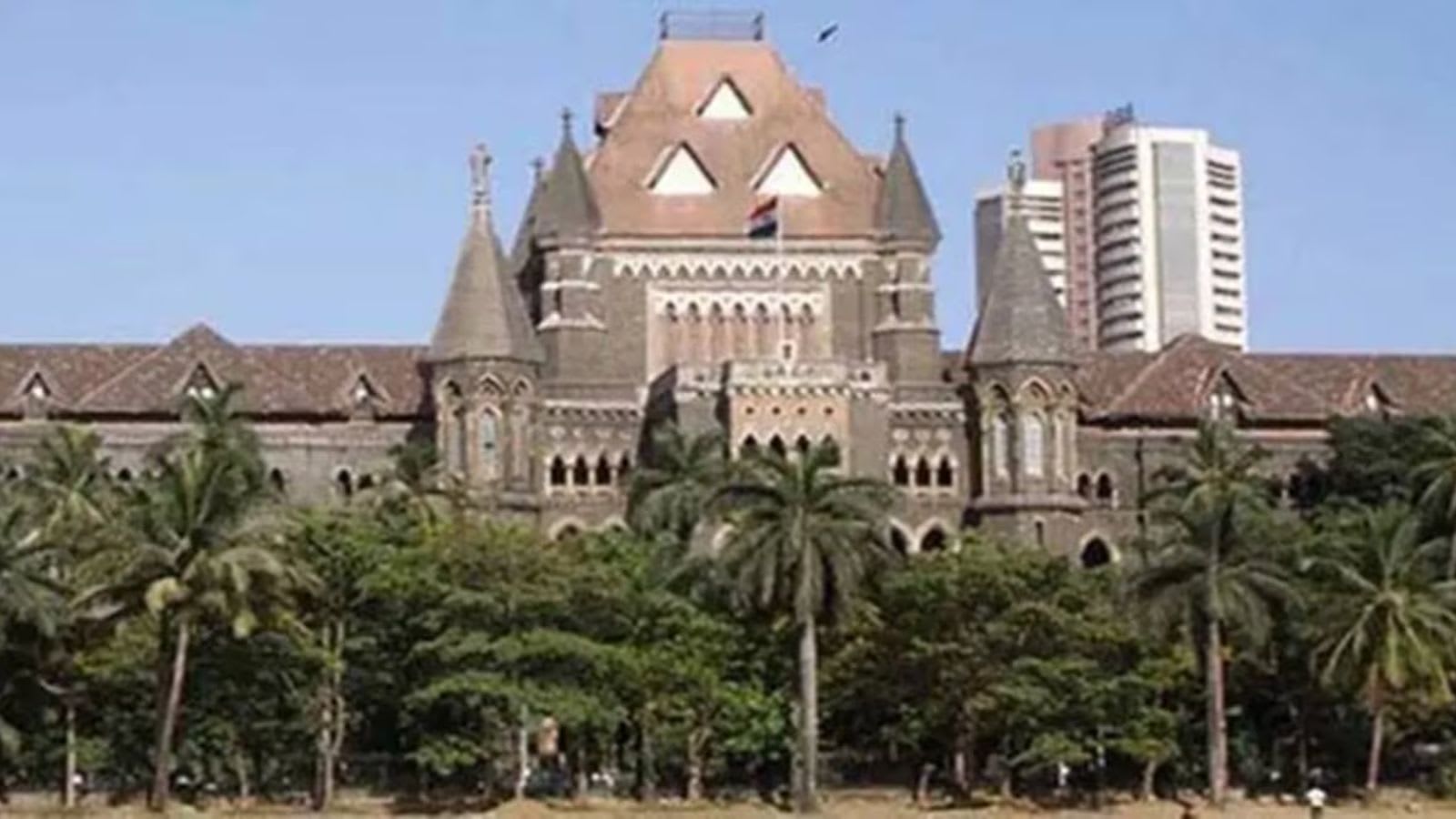
The Bombay High Court has criticized a Customs official for granting a no-objection certificate in a Rs 34 crore fraud case. The court highlighted systemic disparities in how loan defaults are treated between common flat buyers and major industrialists.
Judicial Scrutiny on Institutional Disparity
The Bombay High Court has recently initiated a pointed critique of administrative conduct within the Customs department, centering on the handling of a Rs 34 crore fraud case. The court’s intervention was prompted by a Senior Officer’s decision to issue a “no-objection” certificate facilitating anticipatory bail for an accused individual. This judicial rebuke highlights a growing concern regarding the discretionary powers held by public officials and whether such actions align with the mandate of impartiality and rigorous enforcement of the law.
Questioning the Integrity of Public Office
The court’s decision to summon the officer for a personal appearance reflects the severity with which the judiciary views potential administrative negligence. By stating that the issuance of the no-objection certificate was “not the way a public officer should function,” the bench has signaled a need for greater accountability. This incident raises broader questions about the internal oversight mechanisms within government departments and whether current protocols are sufficient to prevent the erosion of public trust in legal and regulatory processes.
The Duality of Loan Default Treatment
Beyond the specific fraud case, the High Court’s remarks touched upon a significant socio-economic critique: the perceived disparity in how the law treats different classes of debtors. The judge explicitly contrasted the situation of a common flat purchaser—who often faces immediate criminal consequences for defaulting on a home loan—with that of an industrialist who, despite a massive Rs 22,000-crore loan burden, seemingly faces far less stringent recovery requirements, with only Rs 6 crore required to be paid.
Implications for Legal Equality
This observation brings the concept of 'equality before the law' into sharp focus. The court’s inquiry into whether the law applies equally to everyone suggests a systemic frustration with the ease at which large-scale corporate defaults are managed compared to the aggressive pursuit of individual borrowers. This dichotomy risks fostering a public perception of a two-tiered justice system, where corporate scale acts as a buffer against the punitive measures typically applied to smaller stakeholders.
Future Trends and Regulatory Oversight
As the court continues to monitor the Rs 34 crore fraud proceedings, this case likely sets a precedent for how the judiciary will oversee regulatory bodies in the future. We may expect a shift toward more transparent documentation for no-objection certificates and a potential audit of how high-value debt defaults are handled across the financial and legal landscape. The court's firm stance serves as a warning that procedural lapses in major financial crimes will face intense, public, and rigorous judicial scrutiny moving forward.