‘Chameleons’ will push state towards anarchy, says Yogi Adityanath
Source Entity
Latest News: Todays Latest News Headlines from India & World | Hindustan Times | Hindustan Times
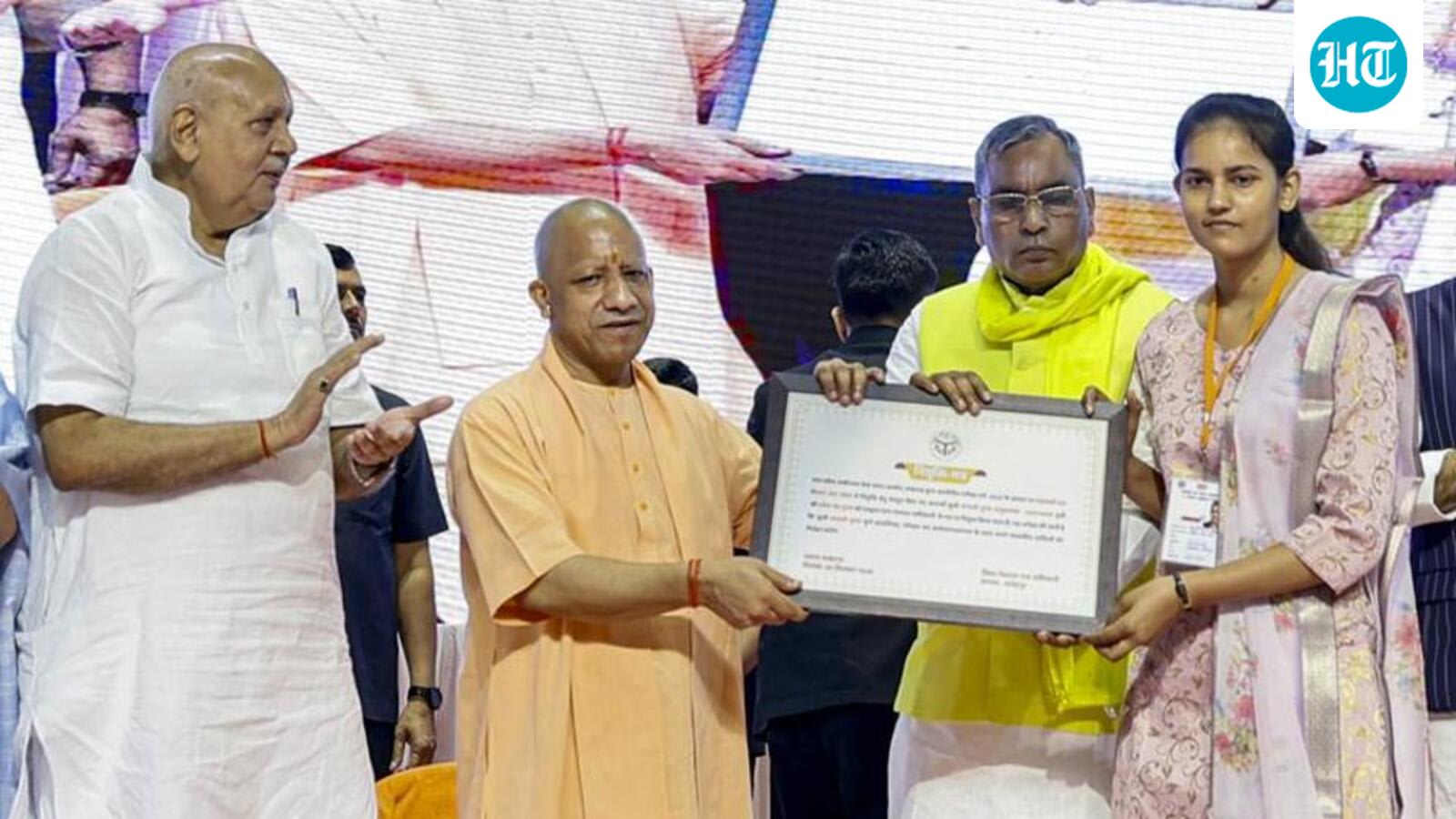
UP Chief Minister Yogi Adityanath criticized opposition parties, specifically the Samajwadi Party, for their past governance while distributing appointment letters to 1,375 new gram panchayat officers. He accused political rivals of hypocrisy and claimed their policies had historically hindered the progress of marginalized communities.
Political Rhetoric Meets Administrative Milestones in Uttar Pradesh
During a recent event in Lucknow, Uttar Pradesh Chief Minister Yogi Adityanath distributed appointment letters to 1,375 newly selected gram panchayat officers. These recruits were selected through the Uttar Pradesh Subordinate Services Selection Commission (UPSSSC) as part of the ongoing 'Mission Rozgar' initiative. The ceremony served as a dual platform: a celebration of administrative recruitment and a venue for sharp political critique directed at the state's opposition parties.
The 'Chameleon' Critique and Political Polarization
In his address, Chief Minister Adityanath employed strong metaphors, labeling opposition figures—specifically those associated with the Samajwadi Party—as "chameleons." He alleged that these political actors, who previously prioritized localized development such as the Saifai region, are now adopting new slogans and personas to remain relevant. This rhetoric highlights the intense ideological battle currently defining Uttar Pradesh's political landscape, where the narrative of "inclusive growth" is pitted against allegations of past favoritism.
Analyzing the 'Mission Rozgar' Framework
'Mission Rozgar' represents a significant administrative push by the state government to formalize employment in the public sector. By inducting 1,375 gram panchayat officers, the government aims to strengthen the grassroots administrative machinery. These officers play a critical role in the implementation of central and state welfare schemes at the village level. The Chief Minister’s emphasis on these appointments underscores a strategy to link governance success directly to the systematic filling of vacant government posts.
Historical Grievances and Social Justice Claims
Adityanath’s speech heavily referenced historical grievances, accusing previous administrations of depriving Dalits and backward classes of their rightful access to welfare schemes. By framing the current recruitment process as an act of restoring rights to the youth, the Chief Minister is attempting to reposition his government as the true protector of marginalized communities. This narrative is a calculated attempt to dismantle the traditional social justice platform often championed by opposition parties in the state.
Broader Implications for Governance
This incident reflects a broader trend in Indian state politics where administrative milestones are leveraged to bolster political legitimacy. By contrasting the transparency of the current recruitment commission with alleged past corruption, the government seeks to build public trust. As the state moves toward future electoral cycles, the ability to demonstrate tangible employment growth, such as these 1,375 placements, will remain a cornerstone of the ruling party’s strategy to maintain its dominance over the narrative of development.
Conclusion
The distribution of appointment letters serves as a microcosm of the current political discourse in Uttar Pradesh. While the functional impact of adding over a thousand officers to the gram panchayat system is a matter of administrative efficiency, the political framing remains centered on accountability and the rejection of past systemic failures. The rhetoric employed by the Chief Minister suggests that the battle for the hearts and minds of the electorate will continue to be fought through the lens of employment, caste representation, and the critique of political legacy.
Verification Required?