Confession can't be sole ground to slap NSA: SC fines UP govt Rs 10 lakh
Source Entity
VIVEK DUBEY
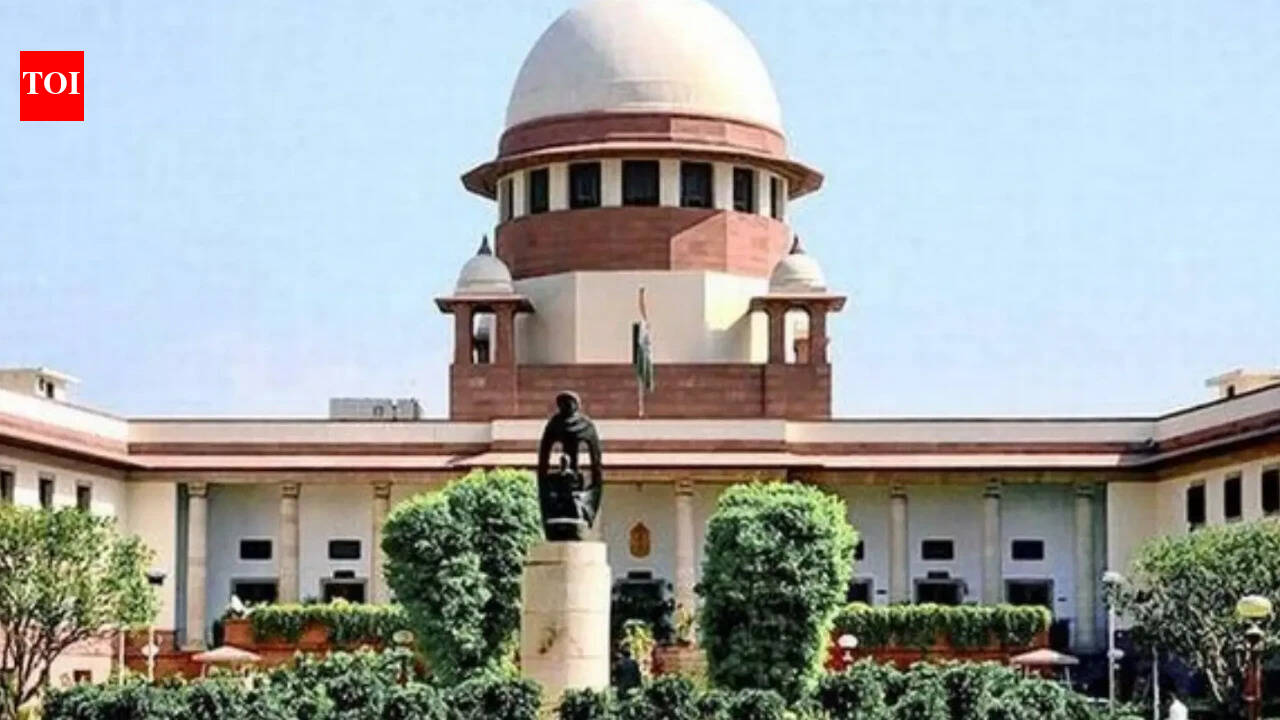
The Supreme Court of India has fined the Uttar Pradesh government Rs 10 lakh for invoking the National Security Act based solely on a confession. The ruling reinforces that preventive detention laws require substantive evidence beyond mere self-incrimination.
Supreme Court Curbs Misuse of Preventive Detention
In a landmark ruling, the Supreme Court of India has imposed a significant penalty of Rs 10 lakh on the Uttar Pradesh government, signaling a stern rebuke against the arbitrary invocation of the National Security Act (NSA). The court’s decision centers on the critical legal principle that a confession, standing alone and without corroborating evidence, is insufficient grounds to justify the draconian measures associated with preventive detention under the NSA.
The Legal Threshold of the NSA
The National Security Act is a potent legislative tool designed to allow the state to detain individuals to prevent them from acting in a manner prejudicial to the security of the state or the maintenance of public order. Because the act bypasses many traditional criminal procedural safeguards, the judiciary has historically insisted that its application must be subject to rigorous scrutiny. By ruling that a confession cannot serve as the sole basis for detention, the Supreme Court is reinforcing the constitutional guarantee against arbitrary state action.
Implications for Due Process
This verdict serves as a vital check on administrative overreach. When state authorities rely exclusively on confessions—often obtained in coercive environments—to strip citizens of their liberty, it undermines the foundational principles of the Indian legal system. The imposition of a Rs 10 lakh fine is not merely a compensatory measure for the aggrieved party but functions as a deterrent against the systemic abuse of preventive detention statutes by law enforcement agencies.
Judicial Oversight and Accountability
This development highlights the judiciary’s ongoing role in balancing state security with individual civil liberties. The Supreme Court's intervention underscores that the 'subjective satisfaction' of the detaining authority is not immune to judicial review. If the state fails to produce concrete, independent evidence to validate the necessity of detention, the court will intervene to protect the fundamental rights of the accused.
Future Trends in Preventive Detention
Looking forward, this ruling is likely to set a precedent for lower courts and administrative bodies across various states. It signals a shift toward a more evidentiary-based approach to detention, potentially reducing the frequency with which the NSA is invoked in routine criminal matters. As the legal landscape evolves, the state will be increasingly required to demonstrate a clear nexus between the individual's actions and the threat to national security, rather than relying on procedural shortcuts.
Conclusion
The Supreme Court’s decision is a significant victory for the rule of law. By penalizing the Uttar Pradesh government, the court has sent a clear message that the state’s power to detain must be exercised with extreme caution. This judgment reinforces the necessity of objective evidence in the administration of justice and serves as a safeguard against the erosion of personal liberty under the guise of national security.