Opposition Spooked By Supriya Sule's Remarks On Delimitation? What She Said
Source Entity
NDTV News Search Records Found 1000
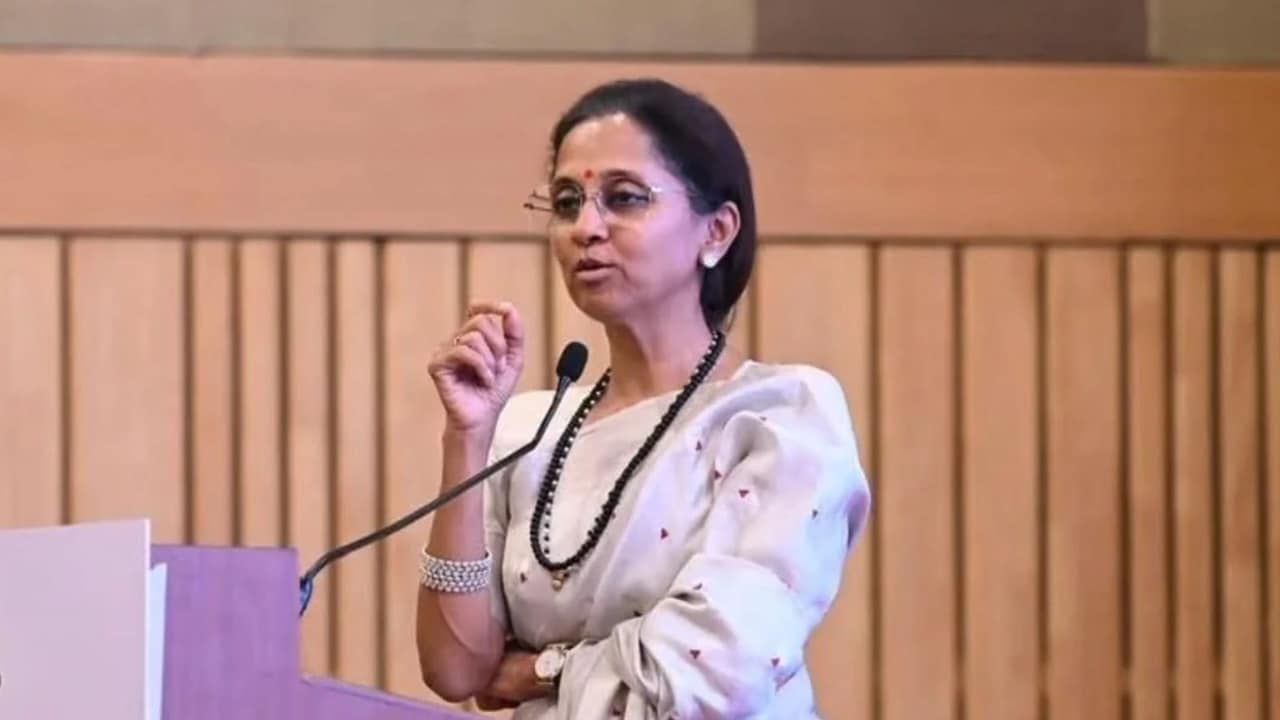
NCP(SP) leader Supriya Sule has signaled a pragmatic approach toward the Centre's proposed delimitation Bill, stating she will evaluate it based on national interest. She dismissed rumors of aligning with the NDA, framing her stance as independent rather than oppositional.
The Strategic Shift: Analyzing Supriya Sule’s Stance on Delimitation
A Departure from Reflexive Opposition
In a move that has sparked significant political discourse, NCP(SP) leader Supriya Sule has adopted a nuanced position regarding the Centre's proposed delimitation Bill. Rather than adhering to a blanket policy of reflexive opposition—a common trait in the polarized landscape of contemporary Indian politics—Sule emphasized that her party would meticulously examine the bill's provisions. By stating that she would support the legislation if it truly serves the nation’s interests, Sule is positioning her faction as a pragmatic entity focused on policy outcomes rather than ideological posturing.
Contextualizing the Delimitation Debate
Delimitation, the process of redrawing boundaries of Lok Sabha and Assembly constituencies, remains one of the most sensitive subjects in Indian democracy. Because it directly impacts the distribution of political power based on population shifts, any proposed changes are viewed with extreme caution by various regional stakeholders. Sule’s willingness to engage with the bill’s contents suggests a desire to influence the legislative process from within, potentially seeking to safeguard regional interests while acknowledging the necessity of periodic administrative updates to the electoral map.
Dispelling Political Rumors
Following her comments, a flurry of speculation emerged regarding the NCP(SP)’s potential realignment with the National Democratic Alliance (NDA) or rumors concerning a prospective ministerial berth for Sule. She was quick to categorize these narratives as mere "gossip," effectively drawing a line between policy-based cooperation and political coalition-building. This clarification is vital for her party, as it maintains their identity as a distinct opposition force while allowing for non-partisan support on issues deemed beneficial for the country at large.
Implications for Legislative Dynamics
Sule’s "softer tone" signals a shift in how opposition leaders might engage with the central government on contentious legislative items. By signaling that opposing every government proposal is not necessary, she is effectively challenging the current trend of gridlock in the parliamentary process. This approach could set a precedent for more collaborative governance, provided the ruling coalition is willing to incorporate feedback from opposition stakeholders during the drafting stages of critical bills.
Future Outlook and Political Autonomy
Looking ahead, the NCP(SP)’s trajectory will likely be defined by this balance of independence and pragmatism. As the delimitation debate intensifies across the country, Sule’s stance provides her party with the leverage to demand specific amendments or clarifications before committing to a final vote. Whether this leads to a more consensus-driven legislative environment or remains an isolated incident of moderation remains to be seen, but it certainly underscores a sophisticated approach to political maneuvering in a high-stakes environment.
Multiple Citing Sources
Verification Required?