Lost in Surat flood, a 17-yr-old walking home, a school van driver: As water recedes, a terrible tragedy emerges
Source Entity
Kamal Saiyed
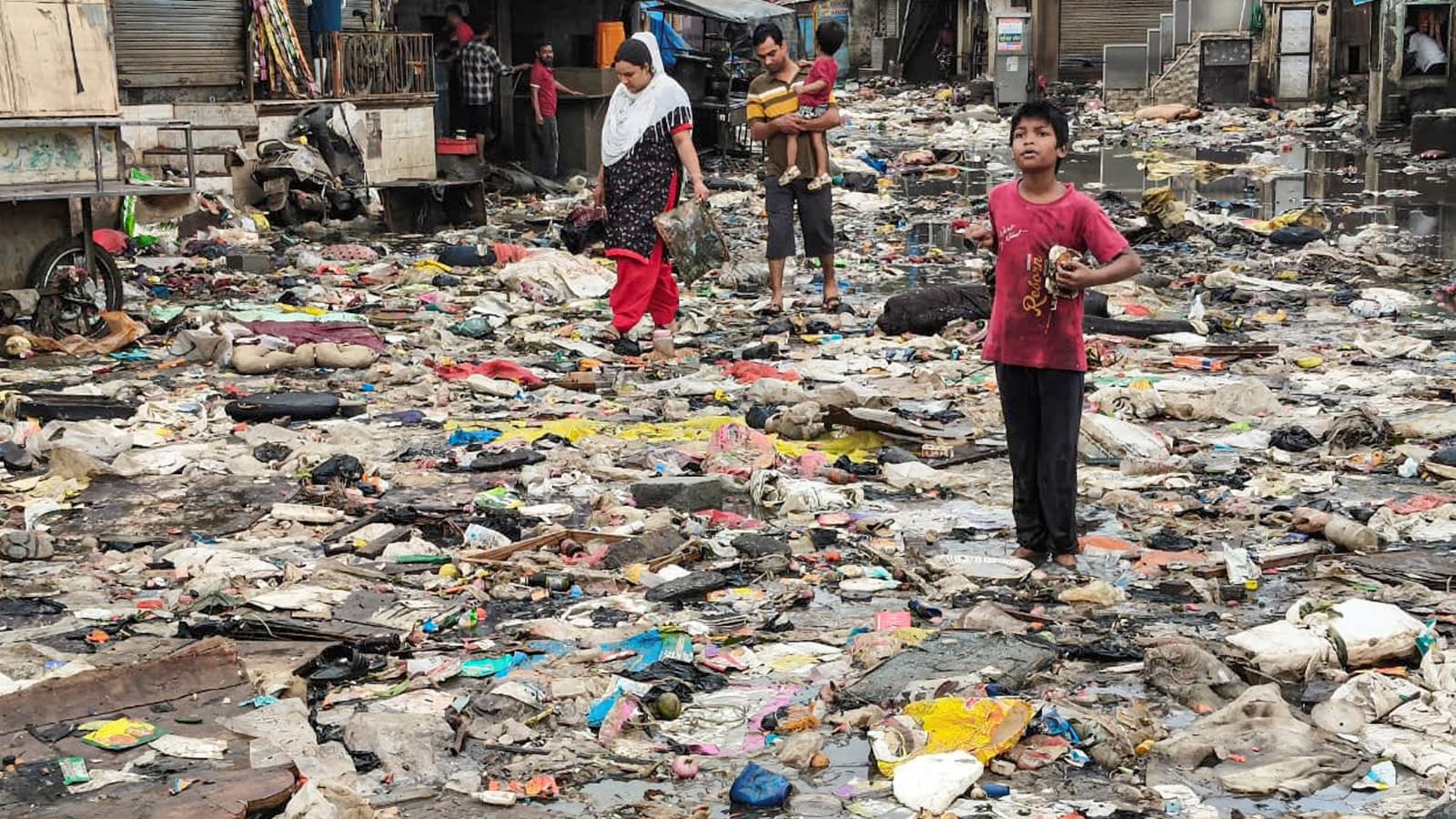
One of them used to be the driver of a van ferrying schoolchildren; another was the owner of a garage. A third had taken loans to start an embroidery business; the fourth was a teenage powerloom worke...
The Human Cost of the Surat Floods: A Deep Dive into Urban Vulnerability
As the floodwaters finally begin to recede in Surat, the city is confronting a grim reality that extends far beyond infrastructure damage and economic loss. The emergence of identified victims—ranging from a teenage laborer to small-scale entrepreneurs—reveals a poignant narrative of human tragedy. This event serves as a stark reminder that natural disasters do not affect all citizens equally; rather, they disproportionately devastate those within the precarious working class who lack the safety nets to survive such catastrophes.
A Cross-Section of Working-Class Tragedy
The profiles of the deceased provide a sobering look at the socioeconomic fabric of Surat. The loss of a school van driver and a garage owner represents the disappearance of essential service providers who form the backbone of the city's daily operations. Perhaps most tragic is the death of a 17-year-old powerloom worker, who was simply attempting to walk home. This detail underscores the vulnerability of youth in the informal labor sector, often forced to navigate dangerous environments due to the lack of safe transport or emergency warnings during sudden climatic shifts.
The Textile Hub and Economic Fragility
Surat is globally recognized as a textile powerhouse, specifically for its powerlooms and intricate embroidery work. The fact that two of the victims were tied to these industries—one a powerloom worker and another an embroidery business owner—is highly significant. The textile sector often employs a vast number of migrant laborers and small-scale artisans who live in densely packed, low-lying areas that are most susceptible to flooding. The disruption of these livelihoods creates a ripple effect, where the loss of a single worker or a small shop owner can plunge an entire family into systemic poverty.
The Cycle of Debt and Disaster
One of the most analytical points of concern is the mention of the embroidery business owner who had taken loans to start their venture. In the context of Indian urban entrepreneurship, small loans are often the only way for the working class to achieve upward mobility. However, when a natural disaster strikes, these loans transform from tools of growth into burdens of debt. The death of the business owner not only represents a personal loss but likely leaves behind a financial vacuum and outstanding liabilities for the surviving family members, illustrating how environmental shocks solidify the cycle of poverty.
Urban Infrastructure and Systemic Failure
The tragedy of a teenager being lost while walking home suggests a critical failure in urban disaster management and real-time communication. In rapidly expanding cities like Surat, the pressure on drainage systems and the encroachment of residential areas into floodplains often lead to lethal conditions during heavy rains. The inability to keep citizens off the streets during peak flood surges points to a need for more robust early-warning systems and better urban planning that prioritizes the safety of those who must commute on foot or via small vehicles.
Broader Implications for Coastal Urban Centers
This event is not an isolated incident but a symptom of a broader trend affecting coastal and riverine cities across South Asia. As climate volatility increases, the frequency of extreme rainfall events is rising. Surat's experience highlights the urgent need for 'climate-resilient' infrastructure. If the city continues to grow without integrating flood-mitigation strategies that protect its most vulnerable laborers, the human cost of future floods will likely escalate, threatening the very workforce that drives its economic success.
Conclusion
In summary, the receding waters of Surat have left behind a legacy of grief that exposes the deep intersections between class, occupation, and disaster vulnerability. The loss of the 17-year-old, the driver, the garage owner, and the entrepreneur is a call to action for the administration to move beyond mere recovery and toward a systemic overhaul of urban safety. Until the city protects its most marginalized workers, the economic achievements of its textile industry will remain overshadowed by the fragility of the lives that sustain it.