Row over Surat demolition drive: SMC official moves HC against suspension
Source Entity
Aditi Raja
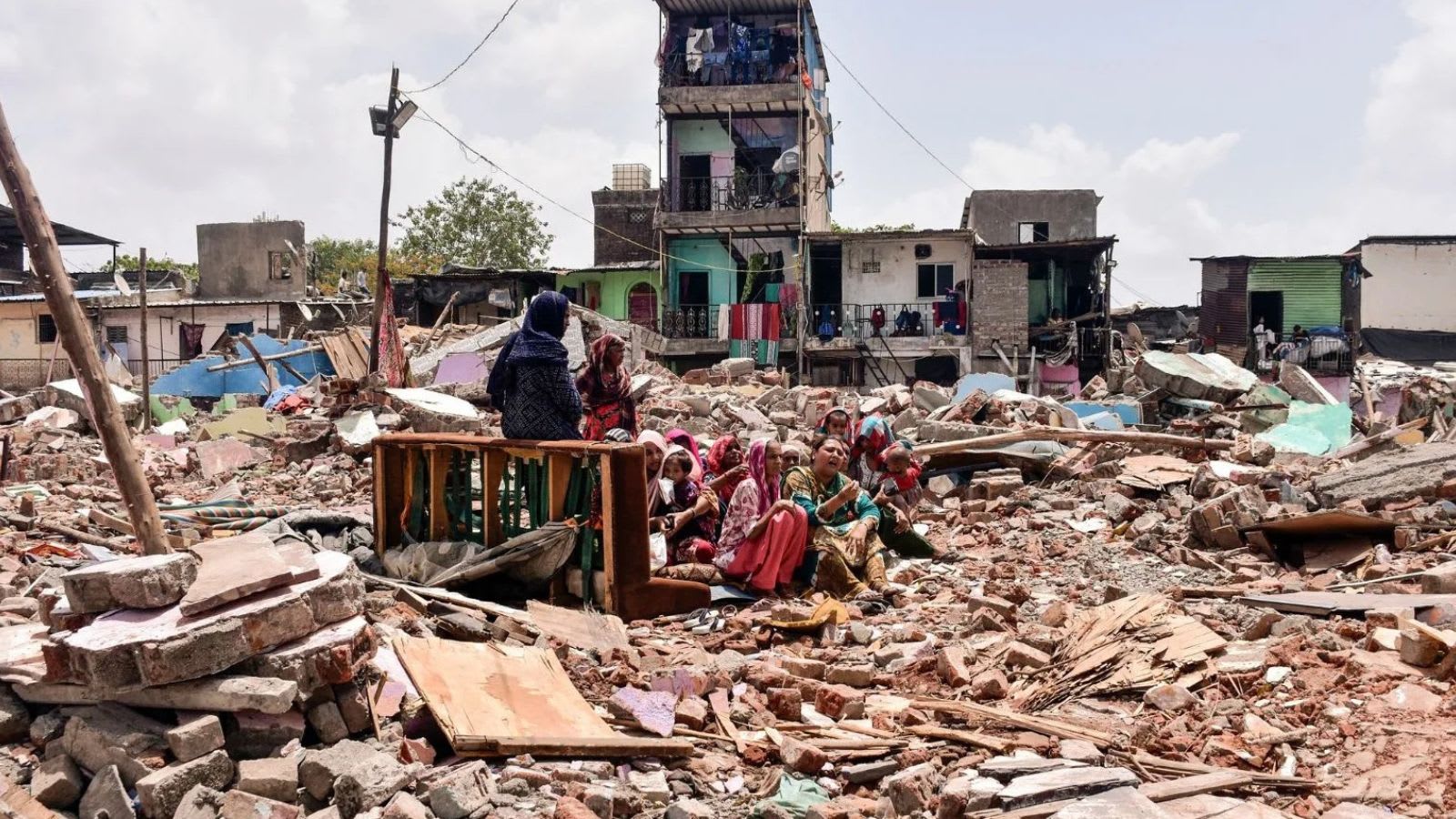
The controversy over Surat’s Nasir Nagar demolition drive widened on Monday after suspended Executive Engineer (Road Development Department) Sujal Prajapati placed WhatsApp messages that he claimed we...
Legal Battle Erupts Over Surat Demolition Drive
The city of Surat is currently witnessing a significant legal and administrative standoff following a contentious demolition drive in the Nasir Nagar area. At the heart of this conflict is the suspension of Sujal Prajapati, an Executive Engineer within the Road Development Department of the Surat Municipal Corporation (SMC). The situation has escalated beyond a mere administrative disciplinary action, transforming into a judicial battle as Prajapati has approached the High Court to challenge his suspension, alleging that he was unfairly penalized for actions taken under official directives.
The Role of Digital Evidence in Administrative Law
A pivotal aspect of this case is the introduction of WhatsApp messages as evidence. Prajapati claims that these digital communications prove he was acting on the instructions of superiors or following established protocols, rather than acting unilaterally or negligently. This highlights a growing trend in Indian administrative law where digital footprints are becoming crucial in determining the chain of command and accountability. The reliance on such evidence suggests a potential disconnect between formal written orders and the informal communication channels often used to expedite municipal works in high-pressure environments.
Institutional Friction and the Culture of Scapegoating
The row underscores deeper systemic issues within the Surat Municipal Corporation regarding the execution of demolition drives. Such drives are often fraught with legal complexities and social tension, especially in densely populated areas like Nasir Nagar. When a drive leads to public controversy or legal challenges, there is often a tendency for municipal bodies to suspend mid-level engineers to mitigate public outcry or shield higher-ranking officials from repercussions. Prajapati's legal challenge serves as a pushback against this perceived culture of administrative scapegoating, demanding a more transparent review of who actually authorized the demolition.
Urban Governance and the Nasir Nagar Context
In the broader context of urban governance in Gujarat, demolition drives for road widening or encroachment removal are common but frequently contested. The Nasir Nagar event is reflective of the ongoing struggle between urban development goals and the rights of residents. The fact that an Executive Engineer is now fighting his own employer in court indicates that the operational risks associated with these drives are falling heavily on the technical staff. These officials often find themselves caught in a precarious position between political pressure to deliver infrastructure and the strict legal mandates governing property rights.
Judicial Oversight and Administrative Due Process
The High Court's intervention will be critical in determining the validity of the suspension. If the court finds that the WhatsApp messages constitute valid proof of authorization, it could set a significant precedent for how "informal" orders are treated in government service. This case will likely scrutinize whether the SMC followed the due process of law before suspending a senior official and whether the suspension was a genuine disciplinary measure or a strategic move to deflect blame. The court's decision will weigh the necessity of administrative discipline against the rights of the employee to be protected from arbitrary action.
Future Implications for Municipal Administration
Looking forward, this case is likely to force the SMC and similar urban local bodies to formalize their communication channels to avoid similar disputes. The outcome will either reinforce the authority of the municipal corporation to discipline its staff or empower officials to challenge arbitrary suspensions through the judiciary. Furthermore, the resolution of the Nasir Nagar controversy will likely influence how future demolition drives are planned and executed in Surat, potentially leading to more rigorous documentation and legal vetting before any physical action is taken on the ground.
Conclusion
In summary, the clash between Sujal Prajapati and the Surat Municipal Corporation is more than a personnel dispute; it is a reflection of the volatility inherent in urban redevelopment. By challenging his suspension in the High Court, Prajapati has brought to light the precarious position of engineers in the public sector. The final verdict will provide essential clarity on administrative accountability and the legal standing of digital communications in the governance of one of India's fastest-growing cities.