Surendra Koli spent 19 yrs in jail, escaped gallows by hours. Now he hanged himself
Source Entity
Nirbhay Thakur, Sohini Ghosh, Vineet Bhalla
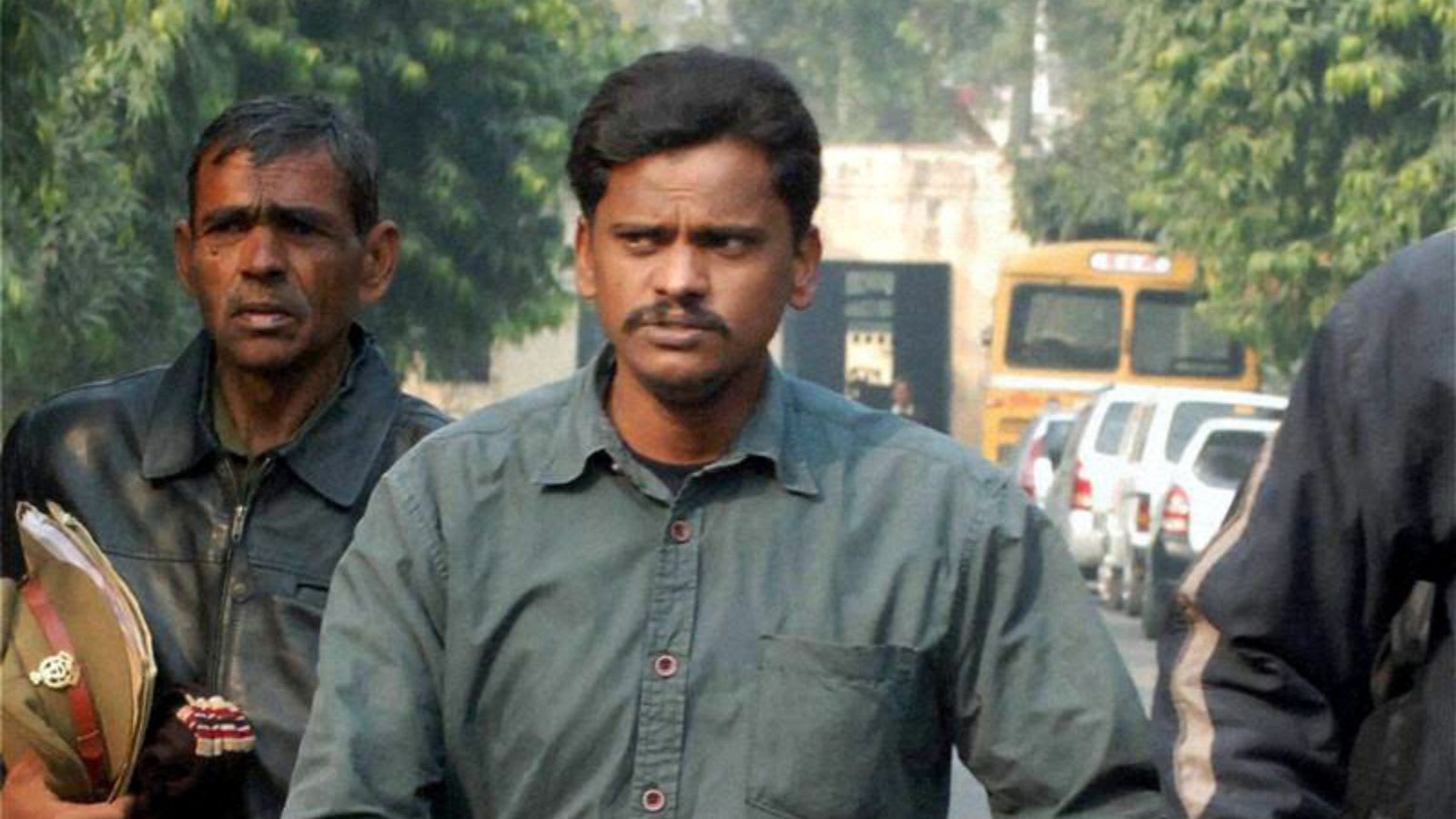
Surendra Koli, the primary accused in the infamous 2006 Nithari serial murder case, has been found dead by suicide in Haridwar. His death follows his acquittal by the Supreme Court in 2025 after spending 19 years in incarceration.
The Tragic End of a Notorious Chapter
The death of Surendra Koli, who was found hanging at his tea stall in Haridwar, marks a somber and unexpected conclusion to one of India's most disturbing criminal sagas. Koli, who had been a central figure in the 2006 Nithari serial murder case, was discovered dead on Friday, September 18, following a life defined by 19 years of incarceration and subsequent legal exoneration. While police have initially characterized the incident as a suicide, the discovery of his body has reignited public interest in the legacy of the Nithari killings.
A Timeline of Legal Turmoil
Koli’s life behind bars spanned nearly two decades, during which he faced trial for over a dozen cases involving the rape and murder of women and children in the Nithari area of Noida. The legal battle was protracted and complex, involving multiple convictions and lengthy appeals. His path to freedom began in earnest when the Supreme Court set aside his conviction in a high-profile rape and murder case of a teenage girl, leading to his release from Kasna jail in Greater Noida in November 2024. By 2025, he had been acquitted of the remaining charges, effectively ending his long-standing status as a convicted serial killer.
The Nithari Context and Institutional Failure
The Nithari case itself serves as a haunting reminder of systemic negligence. Beginning in 2003, the residents of Nithari reported a series of unexplained disappearances of women and children. Despite the frequency of these reports, the local police response was marked by a lack of urgency and a refusal to register complaints. It was only in 2006, after a persistent father pushed for an investigation into his daughter's disappearance, that the horrific reality of the case—involving the discovery of human remains at the residence of Koli’s employer, Moninder Singh Pandher—was brought to light.
The Collapse of the Prosecution
The legal collapse of the Nithari cases against both Koli and his former employer, Moninder Singh Pandher, who was acquitted in 2023, underscores the immense challenges in forensic and investigative integrity. For years, the prosecution relied on circumstantial evidence and confessions that were eventually challenged in higher courts. The eventual acquittal of both men highlights the critical importance of robust evidence collection and the adherence to procedural due process, which, when absent, can lead to the unraveling of even the most high-profile murder convictions.
Post-Acquittal Life and Final Days
Following his release, Koli attempted to reintegrate into society, moving to Haridwar to start a new life. His quiet existence at a tea stall stood in stark contrast to the national notoriety he garnered during the height of the Nithari investigation. His death by suicide, while still awaiting confirmation via post-mortem examination, reflects the profound psychological and social isolation that often follows individuals who have been at the center of such intense public vitriol and legal scrutiny.
Broader Implications
The case of Surendra Koli will likely remain a case study for Indian law enforcement, legal scholars, and sociologists for years to come. It highlights the intersection of criminal justice reform, the rights of the accused, and the necessity of accountability in police investigations. As the authorities in Haridwar continue their inquiry into his death, the nation is left to reflect on a case that not only shattered a community in 2006 but also raised persistent questions about justice, closure, and the long-term impact of serial crime on the collective psyche.
Multiple Citing Sources