Keralam power crisis: Suresh Gopi says previous governments too responsible, asks public to ‘wait’ before judging UDF
Source Entity
India Latest News: Top National Headlines Today & Breaking News | The Hindu
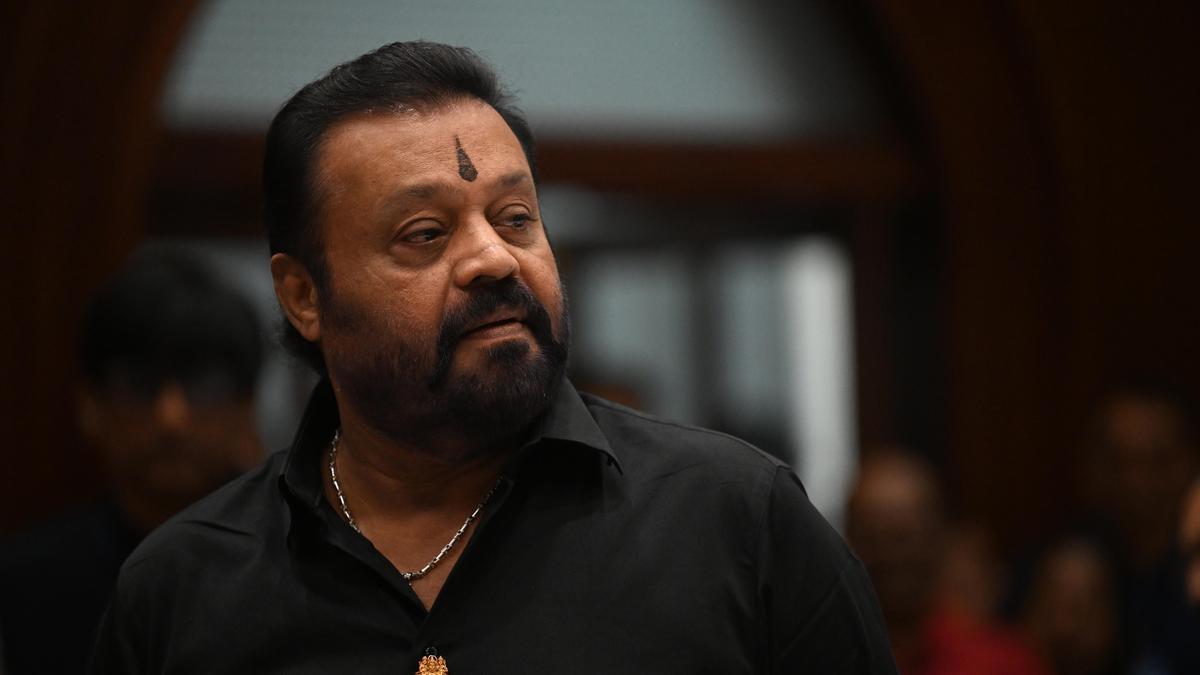
Union Minister Suresh Gopi has defended the current UDF administration regarding Kerala's power crisis, citing systemic failures by previous governments. He explicitly denied allegations of a political pact between the UDF and the BJP.
Assessing the Political Dimensions of Kerala's Power Crisis
Union Minister Suresh Gopi’s recent remarks concerning the ongoing power crisis in Kerala have ignited a significant discourse regarding political accountability and historical governance. By asserting that previous administrations share culpability for the current energy instability, Gopi has shifted the narrative from immediate blame to a broader structural critique. This perspective suggests that the crisis is not merely a failure of the current United Democratic Front (UDF) tenure but a cumulative result of long-standing systemic issues in the state's power infrastructure.
Historical Context and Governance Responsibility
The Minister’s argument rests on the premise that energy security requires long-term planning, which he contends has been lacking. By stating that previous governments are also responsible, Gopi frames the energy deficit as a legacy issue. This rhetoric often serves to mitigate immediate political fallout, suggesting that the current administration needs more time to rectify deep-seated deficiencies that were inherited rather than created in the present term.
Addressing Allegations of Political Collusion
A critical component of Gopi’s statement was his firm rejection of claims regarding a clandestine 'deal' between the UDF and the Bharatiya Janata Party (BJP). In the highly polarized political climate of Kerala, such allegations of 'unholy alliances' are frequently weaponized by rival factions. By publicly distancing his party from such narratives, Gopi aims to preserve the BJP’s independent political identity while maintaining a stance of cautious observation toward the UDF.
The Need for Measured Criticism
Gopi’s call for the public to 'wait' before judging the UDF’s performance acts as a diplomatic buffer. This approach reflects a strategic choice to avoid premature confrontation, perhaps acknowledging that the complexities of power generation and distribution cannot be resolved overnight. It signals a move away from aggressive opposition politics toward a stance of accountability that demands empirical evidence before assigning blame.
Implications for Future Policy and Development
Beyond the immediate power crisis, Gopi’s comments highlight the broader friction between state and federal governance, particularly when projects are stalled. His frustration regarding his inability to secure support for tourism projects from the previous Left-front government underscores a recurring theme: the difficulty of implementing development initiatives in a politically fragmented environment. This tension between central vision and state cooperation remains a pivotal factor in Kerala’s developmental trajectory.
Conclusion
Ultimately, Suresh Gopi’s intervention serves to complicate the narrative surrounding Kerala’s energy woes. By broadening the scope of responsibility to include past administrations and rejecting rumors of political maneuvering, he attempts to steer the conversation toward systemic reform. Whether this measured approach will satisfy a public facing immediate utility shortages remains to be seen, but it certainly recalibrates the current political debate in the state.
Verification Required?