SvelteKit 3 Is Here
Source Entity
Hacker News
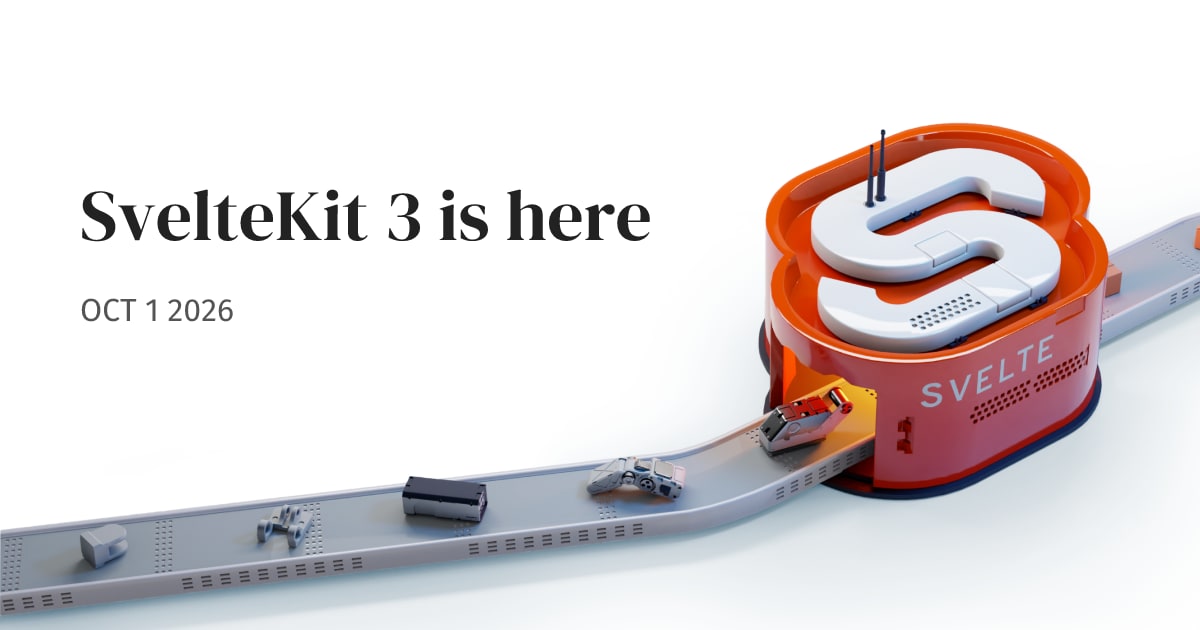
SvelteKit 3 has officially launched, offering improved type safety and a more streamlined codebase. The release includes automated migration tools to simplify the transition for existing projects.
The Evolution of SvelteKit: Version 3.0 Arrives
The release of SvelteKit 3.0 marks a significant milestone in the evolution of the Svelte ecosystem, positioning the framework as a more robust and refined tool for modern web development. As the official application framework for Svelte, this update focuses on stability, performance, and developer experience rather than radical architectural shifts. By polishing existing features and removing legacy constraints, the Svelte team has signaled a commitment to long-term sustainability for enterprise-grade applications.
Enhanced Type Safety and Codebase Efficiency
One of the hallmark improvements in SvelteKit 3 is the heightened emphasis on type safety. In the modern JavaScript landscape, where TypeScript has become the industry standard for large-scale applications, integrating deeper type safety ensures that developers can catch errors during the build process rather than at runtime. By reducing the 'junk' within the framework, the maintainers have streamlined the internal codebase, which not only improves performance but also makes the framework easier for the open-source community to contribute to and audit.
Seamless Migration Strategies
The introduction of the sv migrate command represents a proactive approach to handling breaking changes. Major version bumps often deter developers due to the perceived effort of upgrading; however, the inclusion of npx sv migrate sveltekit@3 demonstrates a sophisticated understanding of developer pain points. By automating the migration process and generating a clear TODO list for manual interventions, the framework significantly lowers the barrier to entry for teams looking to adopt the latest version.
The Future of Project Scaffolding
The transition to sv create for scaffolding new applications suggests a move toward a more unified and standardized tooling experience within the Svelte ecosystem. This command-line utility simplifies the setup process, ensuring that new projects start with the correct configuration and best practices baked in. This focus on developer ergonomics is critical for maintaining Svelte's competitive edge against other frameworks like Next.js or Nuxt, which also prioritize rapid prototyping and robust CLI tools.
Broader Implications for Web Development
SvelteKit 3’s arrival underscores a broader industry trend toward 'framework maturity.' As the web ecosystem moves away from the 'move fast and break things' era, frameworks are increasingly focusing on stability, incremental adoption, and tooling automation. By providing a clear path for migration and maintaining a familiar API, the Svelte team is fostering an environment where developers can trust the platform to remain stable over long project lifecycles.
Conclusion and Future Outlook
As developers begin to integrate SvelteKit 3 into their workflows, the focus will likely shift toward leveraging the new type-safe features and refining existing architectures. The framework’s ability to balance innovation with a seamless upgrade path is a testament to the maturity of the Svelte community. Looking ahead, the emphasis on automated migration and CLI-driven development will likely set a new standard for how major framework updates are delivered and adopted across the web development landscape.