SpaceX describes surgical intervention before launch of latest crew mission
Source Entity
Stephen Clark
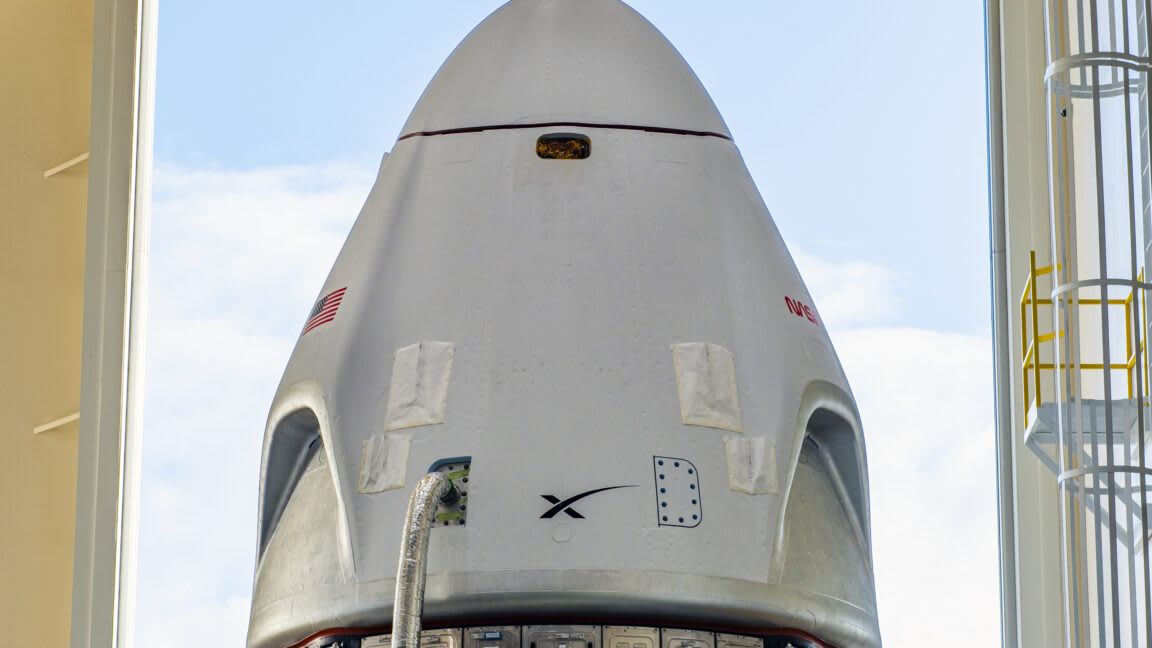
SpaceX successfully launched the Crew-13 mission to the International Space Station following a critical valve replacement. The mission is historic as Jessica Watkins becomes the first Black woman to lead a crewed spaceflight.
A Milestone in Aerospace Engineering and Leadership
The successful launch of the Crew-13 mission from Cape Canaveral Space Force Station marks a significant achievement in both human spaceflight history and aerospace maintenance. By sending a four-person crew into orbit aboard a Falcon 9 rocket and Dragon spacecraft, SpaceX continues to solidify its role as a primary logistical partner for the International Space Station (ISS). This six-month expedition underscores the routine yet high-stakes nature of modern orbital operations.
Overcoming Technical Hurdles
The mission faced a notable delay from its original mid-September schedule due to a technical anomaly involving a balky valve within the Dragon spacecraft’s propulsion system. Rather than grounding the mission indefinitely, engineers performed a surgical intervention, physically cutting into a propellant line to replace the faulty component. This level of precision repair demonstrates the maturation of the commercial space industry, where complex hardware maintenance is now performed in-situ to ensure mission safety and reliability.
The Historical Significance of Jessica Watkins
Central to the narrative of Crew-13 is the leadership of Jessica Watkins, a 38-year-old geologist and veteran astronaut. By assuming the role of mission commander, Watkins has made history as the first Black woman to lead a space mission. Her background in geology provides a unique scientific perspective for the upcoming six-month research tenure on the ISS, bridging the gap between deep-space exploration and terrestrial scientific inquiry.
Operational Precision and Launch Logistics
The launch trajectory from Space Launch Complex-40 was executed with high precision, placing the crew into orbit just nine minutes after the 11:10 am EDT departure. The seamless transition from liftoff to orbital insertion highlights the reliability of the Falcon 9 launch architecture. As the Dragon spacecraft pursues its docking sequence, it serves as a testament to the rigorous pre-flight safety protocols that necessitated the earlier valve replacement.
Future Implications for Commercial Spaceflight
This mission sets a precedent for how private space companies manage and mitigate hardware risks. The ability to perform delicate, invasive repairs on spacecraft components without compromising the mission timeline is a critical capability for future long-duration space travel. As we look toward lunar and Martian exploration, the lessons learned from the Crew-13 valve replacement will inform the design of future, more maintainable spacecraft systems.
Conclusion
In summary, the Crew-13 mission is a landmark event that blends technical resilience with historic representation. From the surgical replacement of critical propulsion hardware to the milestone leadership of Jessica Watkins, the mission encapsulates the ongoing evolution of the commercial space sector. The crew’s upcoming six-month stay on the ISS promises to yield significant scientific advancements while paving the way for more diverse and resilient space exploration efforts.