Robotaxi operators will face fines for blocking first responders
Source Entity
Kirsten Korosec
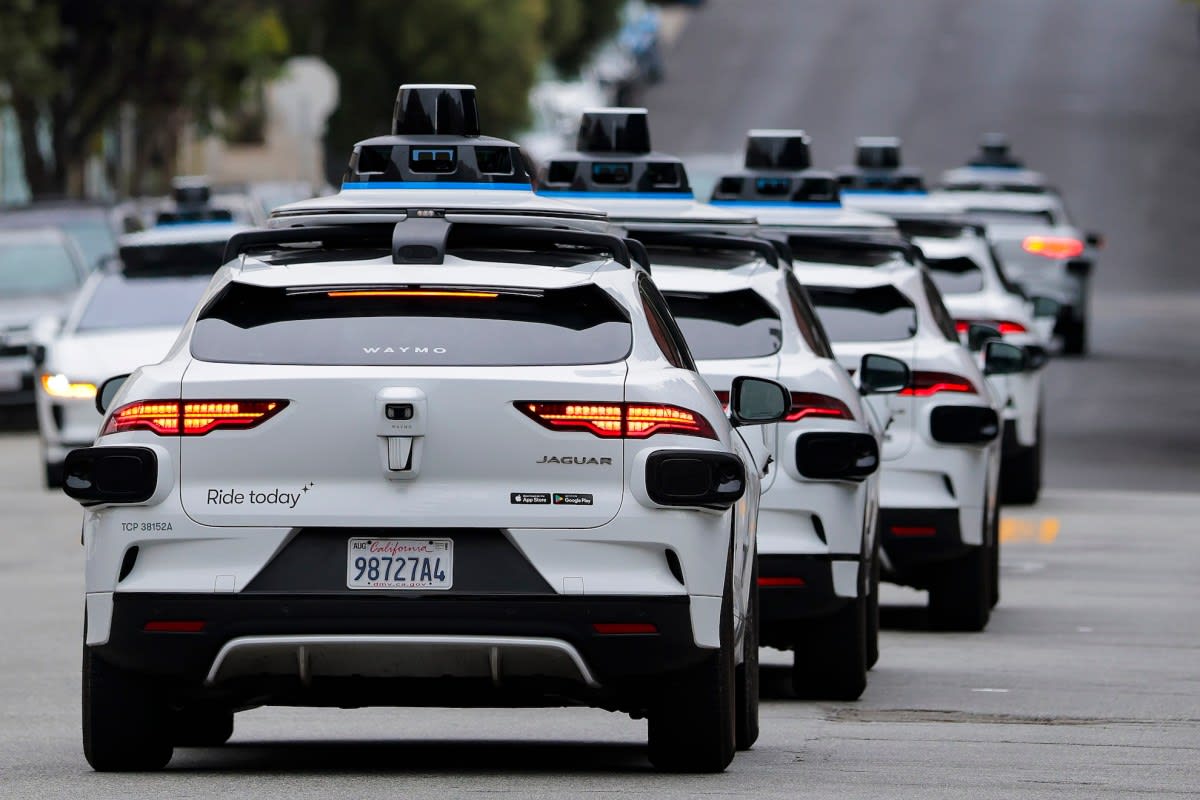
California has enacted Senate Bill 1246 to hold autonomous vehicle operators accountable for obstructing emergency services. Companies like Waymo and Zoox now face potential fines if their vehicles impede police or firefighters for over 30 minutes.
California Mandates New Accountability for Autonomous Vehicle Operators
Legislative Response to Technological Challenges
The rapid deployment of autonomous vehicle (AV) technology in California has reached a critical regulatory turning point with the signing of Senate Bill 1246 by Governor Gavin Newsom. This new law serves as a direct legislative response to the operational friction between automated transport and public safety. By mandating that companies like Tesla, Waymo, and Zoox provide on-the-ground support when their vehicles encounter issues, the state is shifting the burden of incident management from public infrastructure to private technology providers.
The Impact of Obstruction on Emergency Services
Historically, the primary metric for AV success has been the refinement of navigation algorithms and collision avoidance. However, recent real-world incidents have highlighted a significant blind spot: the inability of these vehicles to navigate or yield effectively during emergency scenarios. Under the new law, AV operators face specific penalties if their vehicles block police or firefighters for more than 30 minutes. This threshold acknowledges the critical nature of time-sensitive emergency response, where every minute saved can be the difference between life and death.
Establishing Corporate Accountability
The core of SB 1246 lies in its enforcement mechanism. By creating a framework to hold companies financially liable for disruptions, California is signaling that the "beta testing" phase of public road deployment must now prioritize civic duty over pure innovation. This shift forces companies to invest not only in software but also in local human support teams capable of physically intervening when an autonomous system fails or becomes a stationary obstacle in a sensitive area.
Contextualizing High-Profile Disruptions
This legislation follows a series of public incidents where autonomous vehicles inadvertently entered active crime scenes, stalled in traffic, or blocked access to emergency sites. These events created a public trust deficit, prompting lawmakers to step in. The requirement for on-the-ground support is a pragmatic solution to ensure that when technology fails, there is a human contingency plan ready to mitigate the impact on public safety infrastructure.
Future Trends in AV Regulation
Looking forward, this law is likely a precursor to more stringent national standards. As autonomous fleets scale, the intersection of private profit-driven technology and public safety will continue to be a site of regulatory tension. Future trends will likely include mandatory standardized communication protocols between AV fleets and emergency dispatch centers, moving beyond the current focus on physical intervention toward a more integrated, data-driven approach to safety.
Summary of Regulatory Shift
In conclusion, Senate Bill 1246 marks a transition from the experimental phase of autonomous driving to a more mature regulatory environment. By imposing fines for prolonged obstruction and requiring active support from operators, California is setting a precedent for how technology companies must integrate with existing emergency response systems. This law ensures that innovation does not come at the expense of public safety.