Swatantra Bhardwaj gets bail in CJP assault case
Source Entity
VRITI JAIN
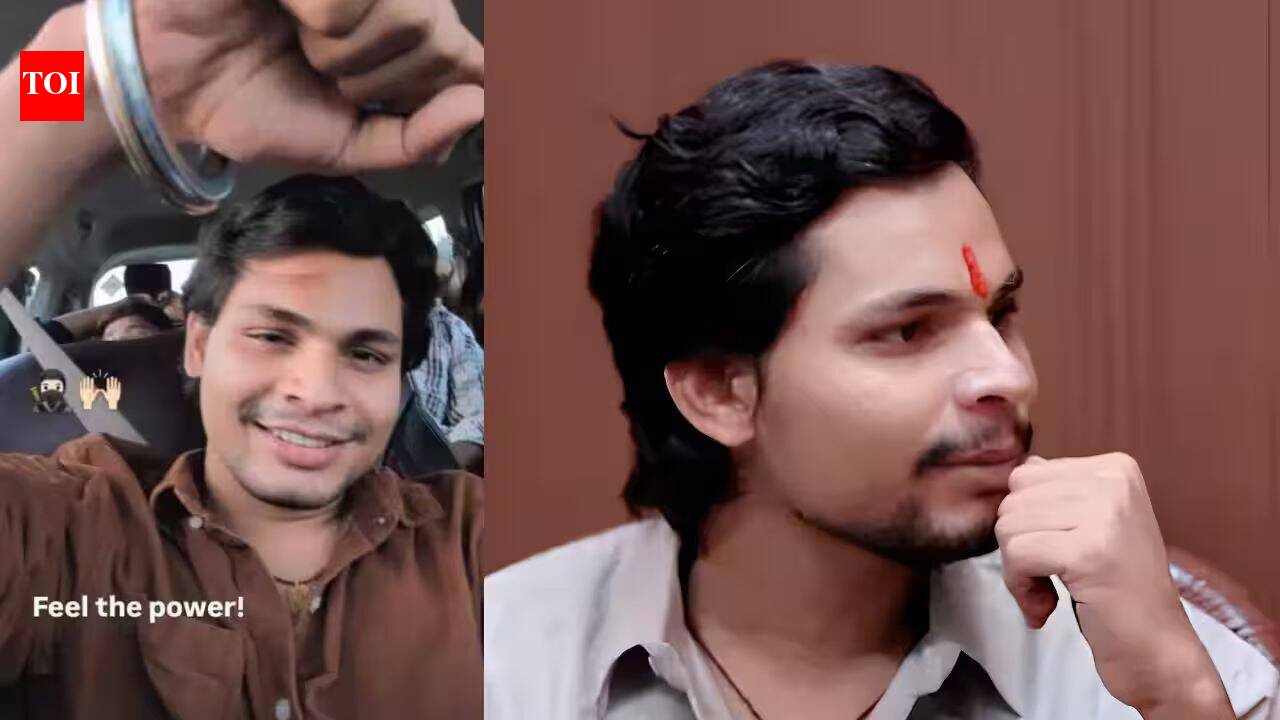
A Delhi court has granted regular bail to social media influencer Swatantra Bhardwaj following an alleged assault during a June protest at Jantar Mantar. The decision followed a three-week interim bail period during which the court monitored his conduct.
Legal Developments in the Jantar Mantar Assault Case
A Delhi court has officially granted regular bail to social media influencer Swatantra Bhardwaj, marking a significant turn in the legal proceedings surrounding an incident that occurred at Jantar Mantar on June 23. Bhardwaj, who identifies himself as a "Swatantra Sanatani Yodha," had been under intense scrutiny following his arrest related to the alleged assault of a 38-year-old man, who was the father of a student protester present at the site.
Context of the Incident
The underlying conflict arose during a demonstration organized by the Cockroach Janata Party (CJP). The protest was held to voice grievances regarding alleged examination irregularities and systemic paper leaks in the country. Tensions escalated during the gathering, leading to the physical altercation that resulted in the filing of an FIR and subsequent police action against Bhardwaj. The complainant, who had accompanied his daughter to the protest, became the focal point of the alleged attack.
The Path to Regular Bail
Bhardwaj’s legal journey toward regular bail was not immediate. He had previously been granted three weeks of interim bail by Additional Sessions Judge (ASJ) Saurabh Pratap Singh Laler of the Patiala House Court. At the time of the interim order, the court explicitly noted that his release was conditional and that his behavior during that three-week window would be a deciding factor for any future relief. The court’s decision to grant regular bail suggests that the judiciary was satisfied with his conduct during this monitored period.
Judicial Oversight and Conduct
ASJ Saurabh Pratap Singh Laler had previously emphasized the need for reflection, noting in earlier proceedings that the initial ten-day custody period was intended to allow the applicant to contemplate his actions. By conditioning the regular bail on the observation of his conduct, the court exercised a cautious approach, ensuring that the judicial process remained focused on public order and accountability. The transition from interim to regular bail underscores the procedural rigor applied in high-profile cases involving social media figures.
Broader Implications of Social Media Influence
This case highlights the growing intersection between digital activism, social media influence, and public protest in India. As influencers increasingly participate in or comment on political demonstrations, the legal system faces the challenge of balancing free expression with the maintenance of public safety. The allegations against Bhardwaj, which included claims of political influence being used to evade justice, sparked a public outcry that demanded a thorough investigation and firm legal response.
Future Trends and Conclusion
As the legal process continues, the detailed order expected from the Patiala House Court will likely outline specific conditions that Bhardwaj must adhere to while on regular bail. This case serves as a reminder of the accountability required of public figures who command large followings, particularly when their actions intersect with volatile political protests. Future developments will likely focus on the trial phase, where the evidence surrounding the June 23 incident will be formally examined by the court.
Multiple Citing Sources