T-Mobile owner on Elon Musk launching a wireless carrier: ‘Welcome to the party’
Source Entity
Emma Roth
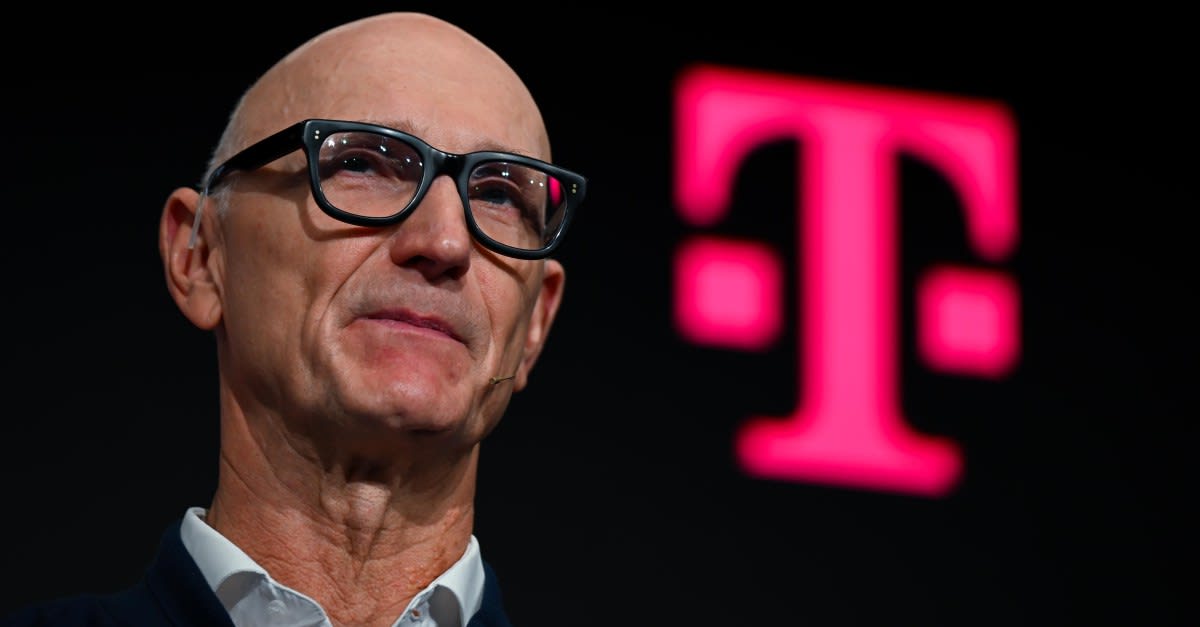
Deutsche Telekom CEO Tim Höttges is skeptical of SpaceX's ability to become a major mobile carrier, citing the massive $200 billion capital requirement. While acknowledging Elon Musk's ambition, Höttges highlights the insurmountable hurdle of acquiring sufficient spectrum and network infrastructure.
The Telecom Titan's Reality Check on Starlink Mobile
During a recent earnings call, Tim Höttges, the CEO of Deutsche Telekom—the parent company of T-Mobile—offered a blunt assessment of Elon Musk’s ambitions to enter the wireless carrier market via Starlink. While Höttges adopted a professional tone by welcoming the competition, he underscored the immense logistical and financial barriers that differentiate satellite internet from terrestrial mobile network operations. His skepticism serves as a significant reality check for an industry watching SpaceX closely.
The Spectrum Scarcity Problem
At the heart of the critique is the issue of spectrum ownership. Höttges noted that while Musk has secured 76 megahertz of spectrum, T-Mobile currently operates with 400 megahertz. The acquisition of spectrum is not merely a technical hurdle but a multi-billion dollar capital expenditure that requires navigating complex regulatory environments and competitive bidding wars. Höttges argues that to achieve the scale of a "major" carrier, Musk would need to invest hundreds of billions, a figure that dwarfs the initial capital often associated with satellite deployment.
Infrastructure and Capital Intensity
Beyond spectrum, the physical infrastructure required to sustain a national mobile network is staggering. Höttges pointed to T-Mobile’s existing footprint of 85,000 towers as a benchmark for the connectivity density required to serve a domestic population. Even if SpaceX were to lease existing tower space—a strategy that would still cost tens of billions—the capital-intensive nature of building out hardware, antennas, and backhaul systems creates a barrier to entry that is rarely seen in other tech sectors.
The $200 Billion Question
Ultimately, Höttges estimates that for SpaceX to genuinely compete as a tier-one mobile carrier, it would require a minimum investment of $200 billion. This figure encompasses not just the hardware and spectrum, but the massive operational expense of maintaining a network that meets consumer expectations for reliability and speed. By framing the entry cost in this way, Höttges is emphasizing that the wireless industry is fundamentally different from the aerospace or satellite sectors.
Future Implications and Industry Trends
The tension between legacy telecommunications giants and disruptive satellite players is likely to define the next decade of connectivity. While Starlink has revolutionized global internet access in remote areas, transitioning to a mobile carrier model involves competing with companies that have spent decades optimizing terrestrial infrastructure. Höttges' comments suggest that while SpaceX may find a niche, the path to becoming a dominant, "major" carrier is fraught with economic realities that even the wealthiest entrepreneurs may find difficult to navigate.