Ankit Sharma’s murder during 2020 northeast Delhi riots: ‘Savage and relentless assault’ on IB staffer, says court on Tahir Hussain’s conviction
Source Entity
Nirbhay Thakur
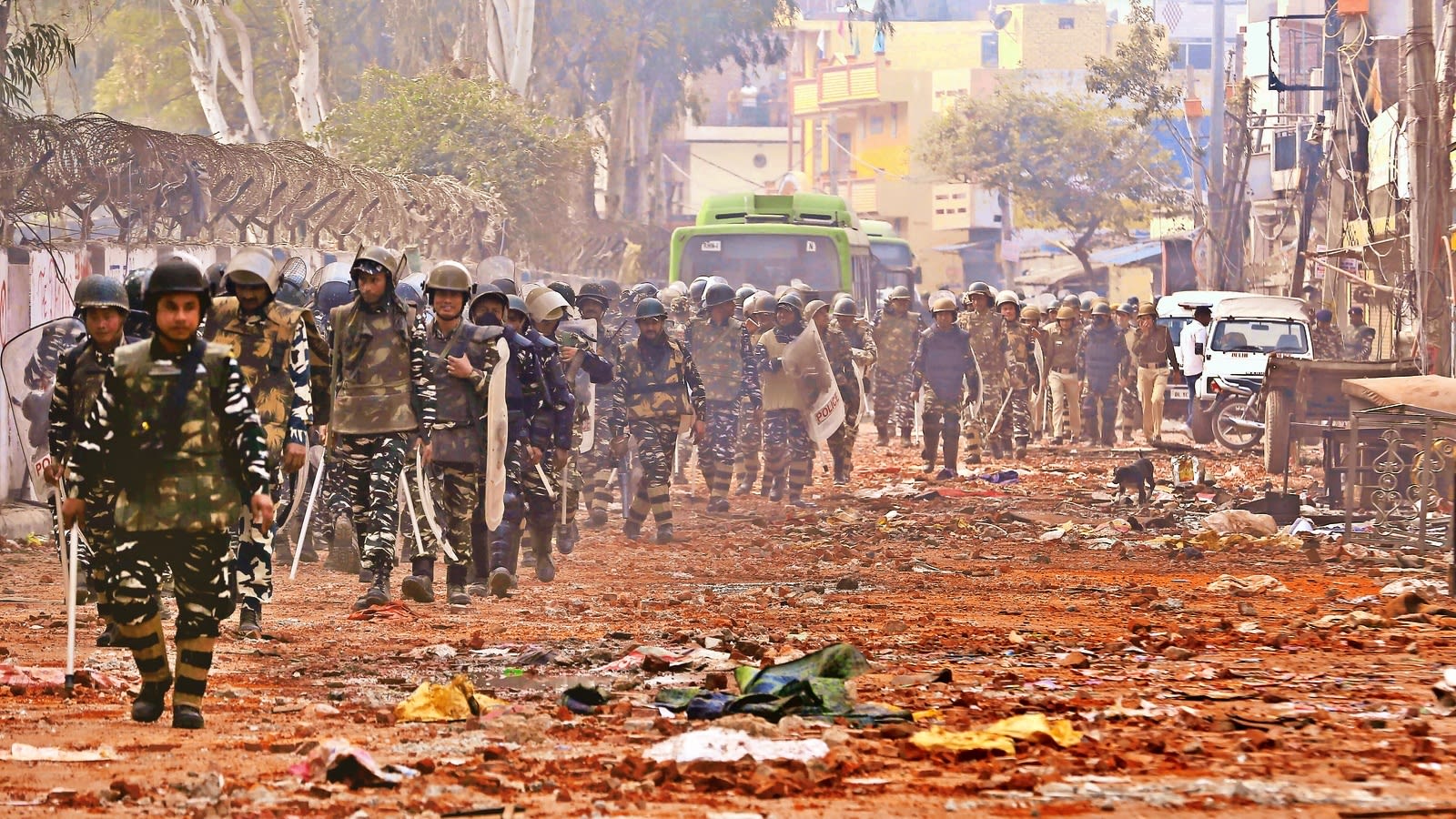
A Delhi court has convicted former Aam Aadmi Party (AAP) councillor Tahir Hussain for the brutal murder of 26-year-old Intelligence Bureau (IB) staffer Ankit Sharma during the 2020 northeast Delhi riots, describing the attack as a 'savage and relentless assault'.
Judicial Accountability: The Conviction of Tahir Hussain
The conviction of former Aam Aadmi Party (AAP) councillor Tahir Hussain for the murder of Ankit Sharma marks a pivotal moment in the legal aftermath of the 2020 northeast Delhi riots. The Delhi court's determination that the prosecution proved its case "beyond reasonable doubt" provides a necessary sense of closure for the victim's family and serves as a stark reminder of the brutality that characterized the communal violence of that period. This verdict is not merely a legal victory but a critical affirmation of the rule of law in the face of targeted political and communal aggression.
The Nature of the Crime: A 'Savage and Relentless' Attack
According to the court's findings, the murder of 26-year-old Ankit Sharma was not a random act of violence but a "savage and relentless assault." The sheer brutality of the crime highlights the extreme volatility of the environment during the northeast Delhi riots. Ankit Sharma, who served as a staffer for the Intelligence Bureau (IB), was targeted in a manner that suggests a complete breakdown of civic order. The court's specific language regarding the nature of the assault underscores the cruelty involved, emphasizing that the act was intended to be lethal and terrifying, leaving no room for mercy.
Political Implications and the Role of Public Servants
The involvement of Tahir Hussain, a former elected representative, adds a layer of political complexity to this case. When individuals holding public office or political influence are implicated in heinous crimes, it erodes public trust in democratic institutions. The conviction sends a powerful message that political affiliation or former status as a councillor does not grant immunity from the law. This case highlights the danger of political rhetoric fueling communal violence and the necessity for the judiciary to act independently of political pressures to ensure that those who incite or participate in violence are held accountable.
Contextualizing the 2020 Northeast Delhi Riots
To understand the gravity of this conviction, one must look at the broader context of the 2020 northeast Delhi riots. The riots were characterized by widespread clashes, arson, and loss of life, rooted in deep-seated communal tensions. The violence resulted in numerous casualties and the displacement of many families, leaving a lasting scar on the city's social fabric. The murder of Ankit Sharma was one of many tragedies during this period, but the targeting of a government official—particularly one associated with the Intelligence Bureau—illustrates the lawlessness that prevailed, where even those tasked with national security were vulnerable to mob violence.
Implications for Future Legal Proceedings
This verdict is likely to set a precedent for other pending cases stemming from the 2020 riots. For years, victims and their families have awaited justice, often facing a slow and grueling legal process. By convicting a high-profile figure like Tahir Hussain, the court has demonstrated that the evidence gathered by the prosecution can withstand rigorous scrutiny. This may embolden other victims to pursue their cases and pressure the legal system to expedite the remaining trials related to the riots, ensuring that justice is not delayed to the point of being denied.
Conclusion: A Step Toward Healing and Justice
In summary, the conviction of Tahir Hussain for the murder of Ankit Sharma is a significant step toward justice in the wake of the 2020 northeast Delhi riots. By categorizing the crime as a savage assault and holding a former political figure accountable, the court has reinforced the principle that no one is above the law. While a legal verdict cannot undo the loss of a young life or erase the trauma of the riots, it provides a foundation for accountability. Moving forward, the focus must remain on ensuring that such communal fractures are healed and that the legal system continues to operate with transparency and firmness to prevent the recurrence of such tragedies.