Tamil Nadu government revises auto-rickshaw fares in Chennai, other regions
Source Entity
India Latest News: Top National Headlines Today & Breaking News | The Hindu
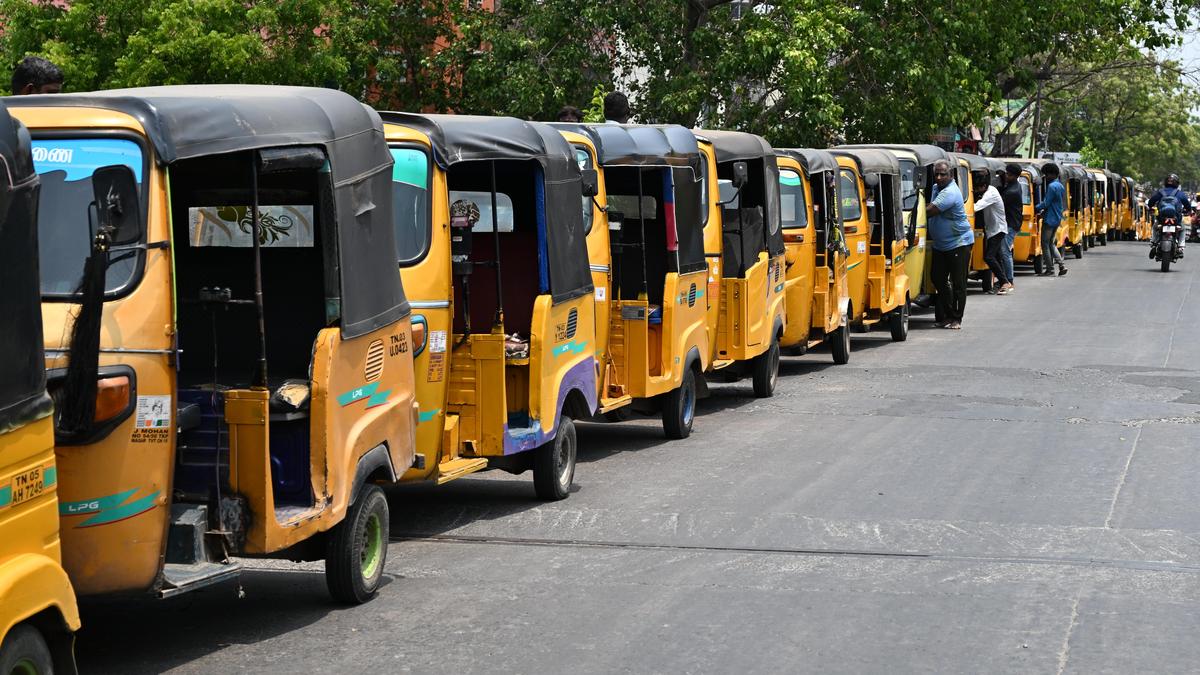
The Tamil Nadu government has officially revised auto-rickshaw fares across the state, setting a new minimum fare of ₹50 for the first 1.8 km. This marks the first such update in 13 years, aiming to align transport costs with current economic realities.
Tamil Nadu Overhauls Auto-Rickshaw Fare Structure
In a significant move to recalibrate the public transportation landscape, the Tamil Nadu government has issued a notification under Section 67 of the Motor Vehicles Act, 1988, officially revising auto-rickshaw fares across the state. This policy shift, which comes after a stagnant 13-year period, effectively doubles the minimum fare to ₹50 for the first 1.8 km, reflecting the state's recognition of the rising operational costs faced by drivers since the last official adjustment.
Economic Rationale and Fare Breakdown
The revised structure introduces a more granular approach to pricing. Beyond the base fare of ₹50, the government has mandated an additional charge of ₹25 for every subsequent kilometer. Furthermore, to account for idling time in heavy traffic, a waiting charge of ₹1 per minute has been implemented. This tiered system aims to balance the financial sustainability of auto-rickshaw operators with the affordability requirements of daily commuters in the Chennai Metropolitan Area and beyond.
Specialized Fare Categories
The government has also introduced specific provisions for varying travel conditions. For night commuters traveling between 10 p.m. and 5 a.m., fares are now set at 1.5 times the regular rate. Additionally, the notification addresses the unique challenges of hilly terrain by setting a specific ghat road fare structure: a base fare of ₹60 (1.2 times the minimum) and a premium of ₹30 for every kilometer traveled on such routes. These modifications ensure that the risks and increased fuel consumption associated with difficult topography are appropriately compensated.
Regulatory Context and Legislative Basis
The implementation of these fares is grounded in Section 67 of the Motor Vehicles Act, 1988, which empowers the state government to issue directions to the State Transport Authority regarding the regulation of transport vehicles. By formalizing these changes through a government gazette, the administration has provided a clear legal framework to resolve long-standing disputes between passengers and drivers, many of whom had been operating under outdated pricing models for over a decade.
Future Implications and Compliance
The long-term success of this revision will depend on rigorous enforcement and public awareness. As the state transitions to this new pricing model, the administration's primary challenge will be ensuring that both drivers and passengers adhere to the meters. This update is expected to provide much-needed relief to the transport sector, potentially leading to better vehicle maintenance and improved service quality, while simultaneously stabilizing the unorganized transport market in Tamil Nadu.
Verification Required?