Citing GST revenue decline, Stalin says Tamil Nadu is ‘doomed’ under TVK government
Source Entity
India Latest News: Top National Headlines Today & Breaking News | The Hindu
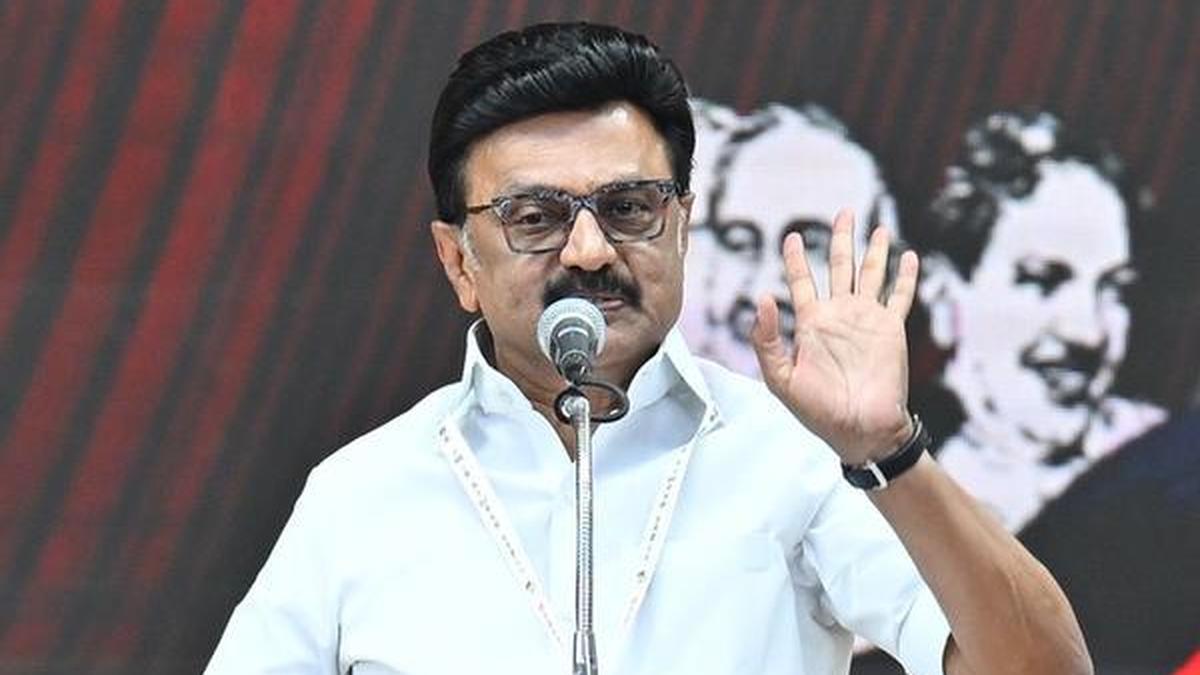
DMK leader M.K. Stalin and former BJP leader K. Annamalai have criticized the TVK government over declining GST revenue and lost industrial investments. Both figures argue that the state's economic trajectory under the current administration is unsustainable and lacks strategic foresight.
Economic Concerns Mount Under TVK Governance
Recent statements from prominent political figures in Tamil Nadu have cast a spotlight on the state's fiscal health under the newly formed Tamilaga Vettri Kazhagam (TVK) government. DMK president M.K. Stalin and former BJP leader K. Annamalai, representing the ‘We The Leaders’ movement, have both voiced significant apprehension regarding the state’s economic direction. The core of their argument rests on a observed decline in Goods and Services Tax (GST) revenue growth, which they claim has fallen below the national average.
The GST Revenue Debate
The fiscal performance of Tamil Nadu has come under intense scrutiny following reports that GST collections have struggled to maintain momentum. According to K. Annamalai, the state experienced months of actual degrowth before seeing a modest, single-digit increase in October. Critics argue that this performance is particularly alarming given the festive season and increased tourism, which typically bolster economic activity. The inability to capitalize on these seasonal tailwinds suggests to observers that the underlying structural integrity of the state’s revenue-generating mechanisms may be faltering.
Industrial Investment and Strategic Missteps
Beyond tax metrics, the political discourse has shifted toward the state’s ability to attract and retain corporate investment. M.K. Stalin specifically alleged that Tamil Nadu lost approximately ₹1,614 crore in Korean investments to Andhra Pradesh, attributing this loss to government indifference and the mismanagement of ‘Guidance Tamil Nadu.’ This agency, historically responsible for facilitating major industrial projects, is now being criticized as a victim of ego-driven leadership that prioritizes political maneuvering over economic development.
The Question of Fiscal Priorities
Both Stalin and Annamalai suggest that the current administration suffers from a lack of coherent fiscal policy. By characterizing the state as 'doomed' and questioning the government's ability to generate sustainable revenue, the opposition is framing the TVK tenure as a period of 'reverse gear' development. The critique is not merely about current revenue figures but about the long-term capacity of the government to handle the complexities of a modern, industrializing economy while managing its debt and expenditure obligations.
Broader Political Implications
The timing of these criticisms, coinciding with ongoing by-election campaigning, indicates that the economy will likely serve as a central battleground in upcoming political contests. While the government has yet to provide a robust counter-narrative to these specific claims, the alignment of views from two traditionally opposing political factions—the DMK and the former BJP leadership—suggests that the economic indicators are significant enough to warrant bipartisan concern. As the state moves forward, the pressure to demonstrate fiscal competence and investment stability will likely intensify, forcing the TVK government to confront these challenges directly to maintain public and investor confidence.
Verification Required?