Books without authors, authors without books: Inside Tamil Nadu’s alleged library scam
Source Entity
Arun Janardhanan
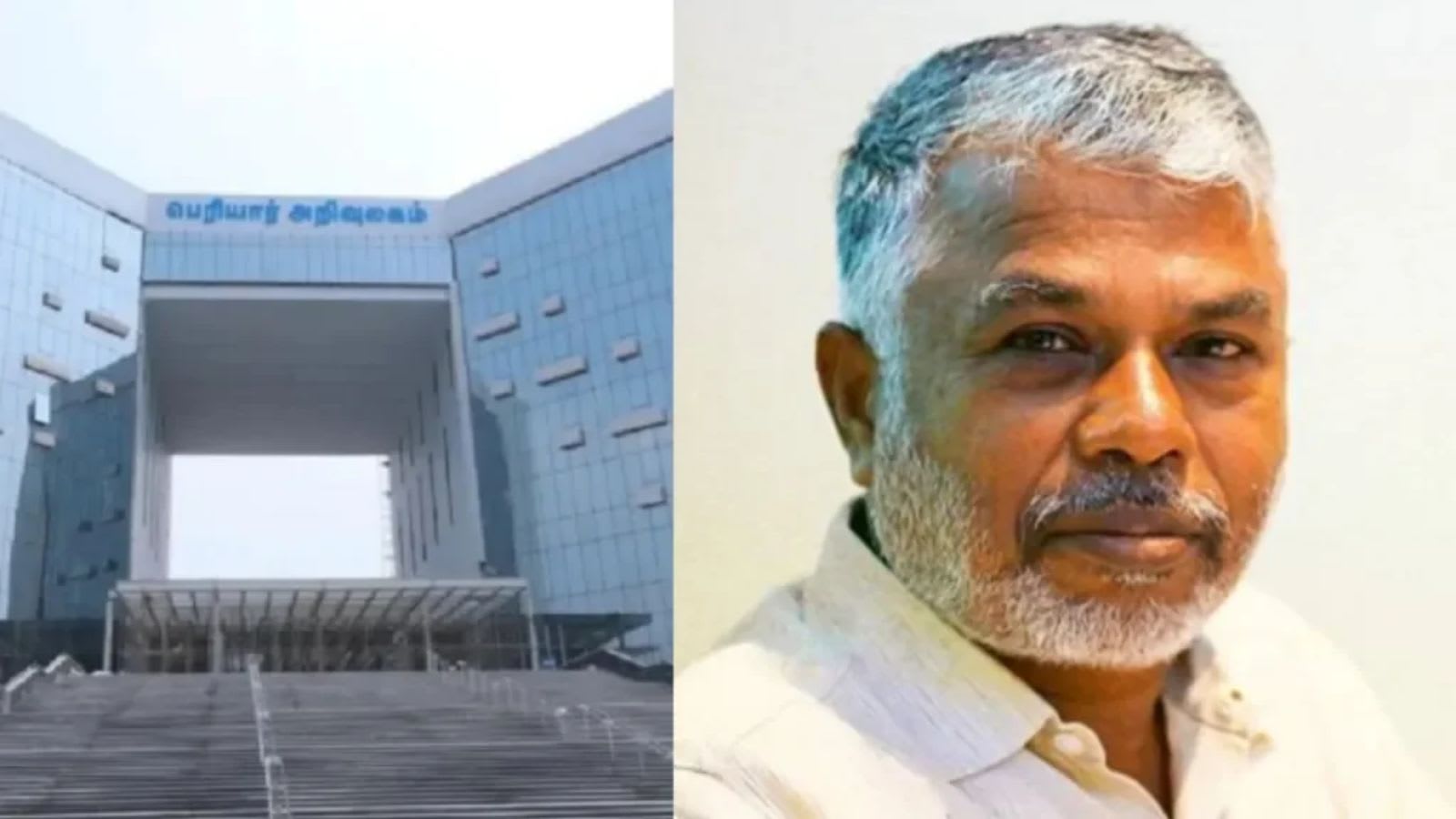
The Madras High Court has ordered an investigation into a library procurement scam in Tamil Nadu involving fake books attributed to fictitious authors. Authorities have begun seizing suspicious volumes while the court mandates stricter compliance with transparency protocols.
The Periyar Library Procurement Scandal: A Judicial Intervention
The Madras High Court has taken decisive action in response to a burgeoning scandal involving the procurement of fraudulent books for public libraries across Tamil Nadu. Following a contempt petition filed by petitioner Ramasubbu, the court has directed the police to register an FIR and has ordered the freezing of bank accounts associated with Agalvilakku Publishing House. This legal intervention stems from allegations that authorities failed to adhere to the court's June 19, 2024, mandate, which required transparent and verifiable procurement processes for state-funded library acquisitions.
Investigating Fictitious Authorship
At the heart of this controversy is the alarming discovery of books attributed to non-existent authors or, in more egregious cases, to prominent figures who never penned the works in question. Anti-corruption investigators, including the Directorate of Vigilance and Anti-Corruption (DVAC), have identified volumes falsely credited to renowned figures such as economist Jean Dreze and the celebrated Tamil poet Subramania Bharati (Bharathiyar). The court, led by Justices G R Swaminathan and M D Sumathi, expressed profound concern, noting that such practices not only constitute financial fraud but also infringe upon the public's right to accurate information.
Scope of the Alleged Scam
State Minister for School Education, Tamil Development, Information and Publicity, A. Rajmohan, has confirmed that the investigation is widening. Approximately 3,000 suspicious books have been boxed and sealed in Coimbatore, while an additional 523 volumes have been identified at the historic Connemara Library in Chennai. The probe has now expanded to include the prestigious Anna Centenary Library, as authorities move to question the principals behind Agalvilakku Publishing House to determine the full extent of the supply chain corruption.
Historical Context and Institutional Integrity
Public libraries serve as the bedrock of academic and cultural life in Tamil Nadu. The deliberate insertion of fake literature into these repositories represents a significant breach of public trust. By attributing works to iconic figures like Bharathiyar, the perpetrators have not only sought to defraud the state exchequer but have also sought to manipulate the cultural and intellectual record. The court’s remark that the poet could only “turn in his grave” highlights the gravity of this intellectual dishonesty.
Future Implications and Regulatory Trends
This case highlights the urgent need for systemic reform in how government departments procure educational materials. The ongoing contempt proceedings underscore that judicial oversight will remain stringent until the state demonstrates total compliance with transparency standards. As the DVAC continues its inquiry, the findings are likely to lead to a broader audit of past procurement cycles. Moving forward, the state faces the challenge of implementing a digitized, foolproof verification system to ensure that every book added to a public collection undergoes rigorous vetting to prevent future instances of fraud.
Multiple Citing Sources