Tamil Nadu Minister T.K. Prabhu files ₹1-crore defamation case in Madras High Court against YouTuber Maridhas
Source Entity
India Latest News: Top National Headlines Today & Breaking News | The Hindu
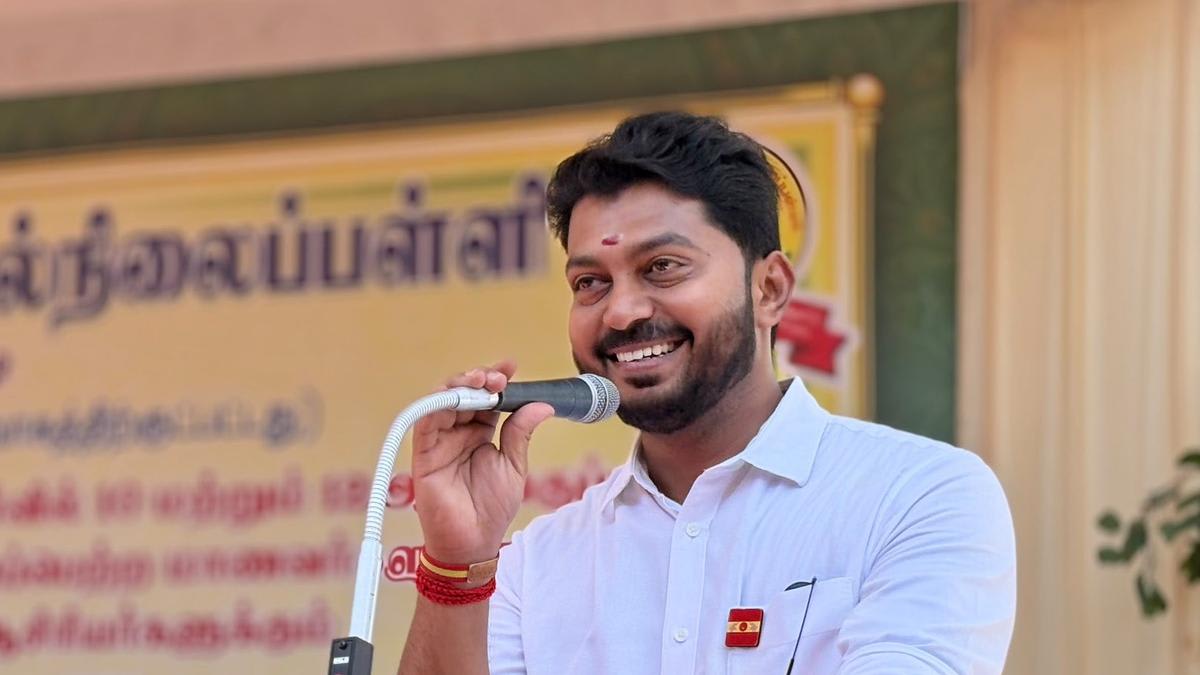
Tamil Nadu Minister T.K. Prabhu has been granted leave by the Madras High Court to pursue a ₹1-crore defamation lawsuit against YouTuber Maridhas. The suit targets defamatory content posted across major social media platforms, including YouTube and X.
Legal Action Against Online Defamation
On September 21, 2026, the Madras High Court reached a significant procedural milestone by granting Tamil Nadu Minister for Natural Resources, T.K. Prabhu, the legal standing to initiate a ₹1-crore defamation suit against YouTuber Maridhas. Justice K. Govindarajan Thilakavadi presided over the application, providing the necessary leave for the Minister to proceed with litigation within the High Court’s jurisdiction. This case underscores the increasing friction between public officials and digital content creators in the age of viral media.
Scope of the Litigation
The Minister’s legal team, led by senior counsel P.H. Arvindh Pandian, successfully argued that the cause of action for the suit originated within the court's jurisdiction. The lawsuit is not merely limited to the individual creator; it also names major digital intermediaries, including Google LLC, YouTube India, and X Corporation (California). By naming these platforms as respondents, the Minister is asserting that the dissemination of allegedly defamatory content on these digital infrastructures necessitates accountability from the platforms themselves.
The Intersection of Law and Social Media
This legal battle highlights the complex nature of modern defamation cases where content reaches a global audience instantaneously. The decision by the court to allow the suit to be numbered signals that the judiciary is prepared to address the grievances of public figures who claim their reputations have been damaged by content on platforms like YouTube and X. The inclusion of international entities like X Corporation and Google LLC suggests a strategic move to potentially seek the removal or moderation of the content in question.
Broader Political Implications
For a sitting Minister to seek damages of ₹1-crore, it reflects a significant escalation in how political figures in Tamil Nadu manage their public image against digital dissent. In recent years, social media has become a primary arena for political discourse and criticism in India. This case will likely serve as a precedent for how future disputes between state officials and independent media figures are adjudicated, particularly regarding the boundaries of free speech versus the protection of individual reputation.
Future Trends in Digital Accountability
As the High Court Registry prepares to number the suit, the legal community will be watching closely to see how the court balances the right to freedom of expression with the legal protections against defamation. The outcome of this case may influence the internal moderation policies of global tech giants operating in India, as they face mounting pressure from local judicial systems to take responsibility for content uploaded by their users.
Conclusion
The granting of leave to sue marks the beginning of a high-stakes legal confrontation that pits a state minister against a prominent digital voice. With the court's official endorsement to proceed, the focus now shifts to the substantive arguments regarding the nature of the statements made and the liability of the platforms that hosted them. This case will undoubtedly contribute to the evolving jurisprudence surrounding digital defamation in the Indian context.
Verification Required?