Tamil Nadu: Engagement called off, man attacks former fiancée, mother hacked to death trying to protect her
Source Entity
Arun Janardhanan
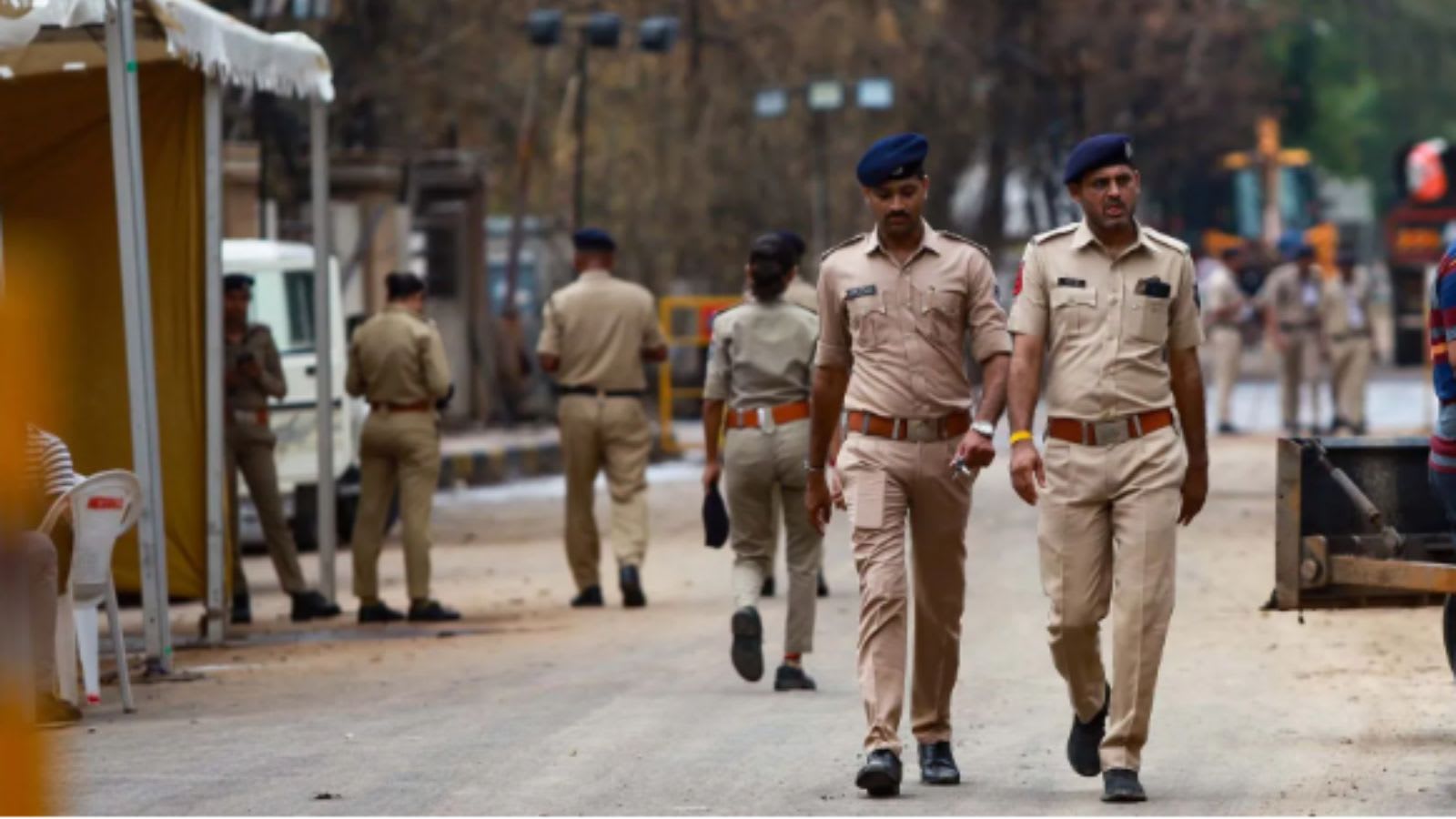
A tragic incident occurred in Tamil Nadu where a man attacked his 20-year-old former fiancée with a billhook. During the assault, the woman's 45-year-old mother intervened to protect her daughter and was hacked to death.
Tragedy in Tamil Nadu: A Fatal Assault Following a Broken Engagement
In a harrowing incident that has shocked the local community near Mallankinaru in the Virudhunagar district of Tamil Nadu, a domestic dispute over a broken engagement escalated into a brutal act of violence. A man, driven by apparent rage or resentment, attacked his 20-year-old former fiancée using a billhook, a sharp agricultural tool. The situation turned fatal when the victim's 45-year-old mother stepped in to shield her daughter from the attacker, resulting in the mother being hacked to death. This event underscores the devastating consequences of interpersonal violence and the extreme risks faced by women in emotionally charged domestic conflicts.
The Anatomy of the Attack
The violence was triggered by the calling off of an engagement between the perpetrator and the 20-year-old woman. While the specific reasons for the termination of the relationship were not detailed, the choice of weapon—a billhook—indicates a premeditated or opportunistic level of violence common in rural settings where such tools are readily available. The brutality of the attack suggests a complete breakdown of emotional regulation by the assailant, who transitioned from a romantic partner to a lethal aggressor in a matter of moments. The immediate target was the daughter, but the ultimate victim became the mother, who acted as a human shield in a final, desperate act of maternal protection.
Psychological and Social Drivers
This incident fits into a broader, troubling pattern of "jilted lover" syndromes often reported in various parts of India, where the rejection or termination of a relationship is perceived as an intolerable blow to the man's ego or social standing. In many traditional or rural contexts, engagements are seen not just as personal agreements but as social contracts. When these contracts are broken, the resulting shame or anger can manifest as extreme violence. The psychological trajectory from affection to aggression in this case highlights a dangerous lack of coping mechanisms and a perceived sense of ownership over the partner, leading the perpetrator to believe that if he could not possess the woman, he could destroy her.
The Sacrifice of Maternal Protection
One of the most poignant aspects of this crime is the role of the 45-year-old mother. Her intervention was not a calculated move but an instinctive reaction to save her child. This act of sacrifice reflects the deep-seated protective bond between mothers and daughters, but it also highlights the vulnerability of women in the face of male aggression. The fact that a mother had to put her life on the line to save her daughter from a former fiancé speaks volumes about the perceived danger and the suddenness of the escalation. Her death transforms a case of attempted murder into a homicide, significantly increasing the legal severity of the crime.
Legal Implications and Law Enforcement Response
From a legal standpoint, the assailant faces severe charges under the Indian Penal Code (IPC), including Section 302 for murder and Section 307 for attempted murder. The use of a lethal weapon like a billhook provides strong evidence of the intent to cause grievous hurt or death. Local police in Virudhunagar are expected to conduct a thorough investigation into the events leading up to the attack to determine if there were prior threats or warnings that went unheeded. The swift apprehension of the suspect is critical to prevent further violence and to ensure that the surviving daughter and the grieving family are protected from any further retaliation.
Broader Societal Implications
This event serves as a grim reminder of the need for increased awareness regarding gender-based violence and the importance of mental health interventions in rural areas. When relationships end, especially in conservative environments, the emotional fallout can be volatile. There is a critical need for community-based support systems that can mediate such disputes and provide counseling to individuals struggling with rejection or anger. Without these interventions, the cycle of violence continues, often leaving families shattered and innocent bystanders dead.
Conclusion
The tragedy near Mallankinaru is a stark example of how personal grievances can spiral into irreversible violence. The loss of a mother while protecting her child is an agonizing outcome that leaves a permanent scar on the survivor. As the legal system takes its course, this incident should prompt a wider conversation about the dangers of possessive behavior in relationships and the urgent necessity of protecting women from domestic and interpersonal aggression in all spheres of society.