Anti-Sterlite protests: CM orders ₹5.25-cr. additional relief to victims
Source Entity
India Latest News: Top National Headlines Today & Breaking News | The Hindu
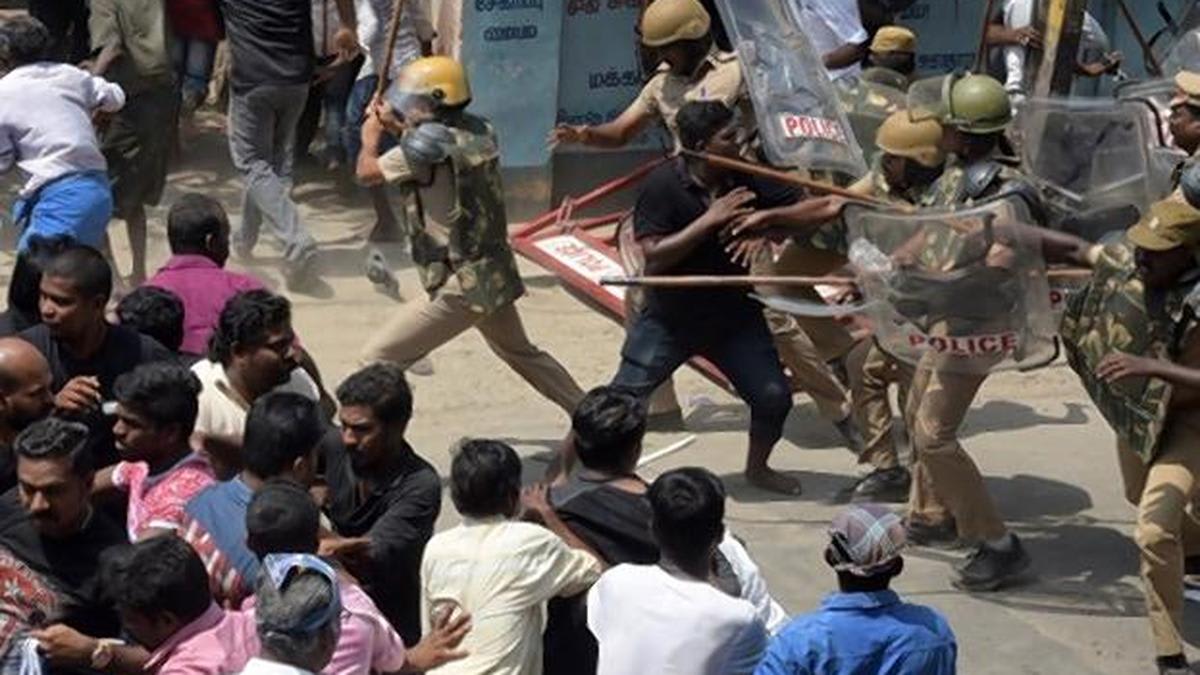
Tamil Nadu Chief Minister C. Joseph Vijay has announced an additional ₹5.25 crore in relief for victims of the 2018 Thoothukudi anti-Sterlite protests. This decision follows recommendations from the Justice Aruna Jagadeesan Commission to address the long-standing grievances of affected families.
Addressing the Aftermath of the 2018 Thoothukudi Tragedy
The recent directive by Tamil Nadu Chief Minister C. Joseph Vijay to allocate an additional ₹5.25 crore in relief for the families affected by the 2018 anti-Sterlite protests marks a significant step in the state's efforts to provide closure to one of the most volatile episodes in recent history. The 2018 protests in Thoothukudi, which centered on the environmental impact of the Sterlite copper plant, resulted in a tragic police firing incident on May 22 and 23, claiming 13 lives and leaving 40 individuals with grievous injuries.
The Path to Additional Compensation
Following the initial aftermath, the government provided a baseline compensation of ₹25 lakh to the families of each deceased victim and ₹5 lakh to those who were severely injured. However, the pursuit of justice and adequate rehabilitation remained a persistent demand from the affected families. By engaging directly with representatives of these families, the Chief Minister has acknowledged the ongoing socioeconomic burden placed upon those who suffered during the unrest.
Role of the Justice Aruna Jagadeesan Commission
This decision is not merely a political gesture but is rooted in the judicial findings of the Justice Aruna Jagadeesan Commission of Inquiry. The Commission was tasked with investigating the sequence of events and the handling of the protests. By anchoring the disbursement of these additional funds to the Commission’s recommendations, the government is attempting to ensure that the relief process is both transparent and aligned with established findings of institutional accountability.
Broader Implications for Public Policy
This move highlights the complex intersection of industrial development, environmental activism, and law enforcement in India. The Sterlite protest serves as a case study for the risks inherent in large-scale industrial projects that face intense local opposition. The state's decision to revisit the compensation structure suggests an evolving approach to handling civil unrest, where the long-term welfare of victims is increasingly prioritized over the initial closure of an incident.
Moving Toward Long-Term Reconciliation
While monetary compensation cannot replace the loss of life or the long-term health consequences of the injuries sustained, it represents an essential component of the state's responsibility. Future trends in governance suggest that administrative bodies will likely continue to rely on investigative commissions to guide restorative justice. This specific allocation of ₹5.25 crore serves as a critical bridge in the ongoing reconciliation process between the state and the citizens of Thoothukudi.
Conclusion
The directive from Chief Minister C. Joseph Vijay underscores a commitment to addressing the lingering wounds of the 2018 Sterlite protests. By formalizing the additional relief through the lens of the Aruna Jagadeesan Commission, the administration is reinforcing a framework of accountability. This action provides necessary support to the victims' families while acknowledging the gravity of the events that transpired in Thoothukudi.
Verification Required?