In This Tamil Nadu Village, Bats Come Before Firecrackers Every Diwali
Source Entity
NDTV News Search Records Found 1000
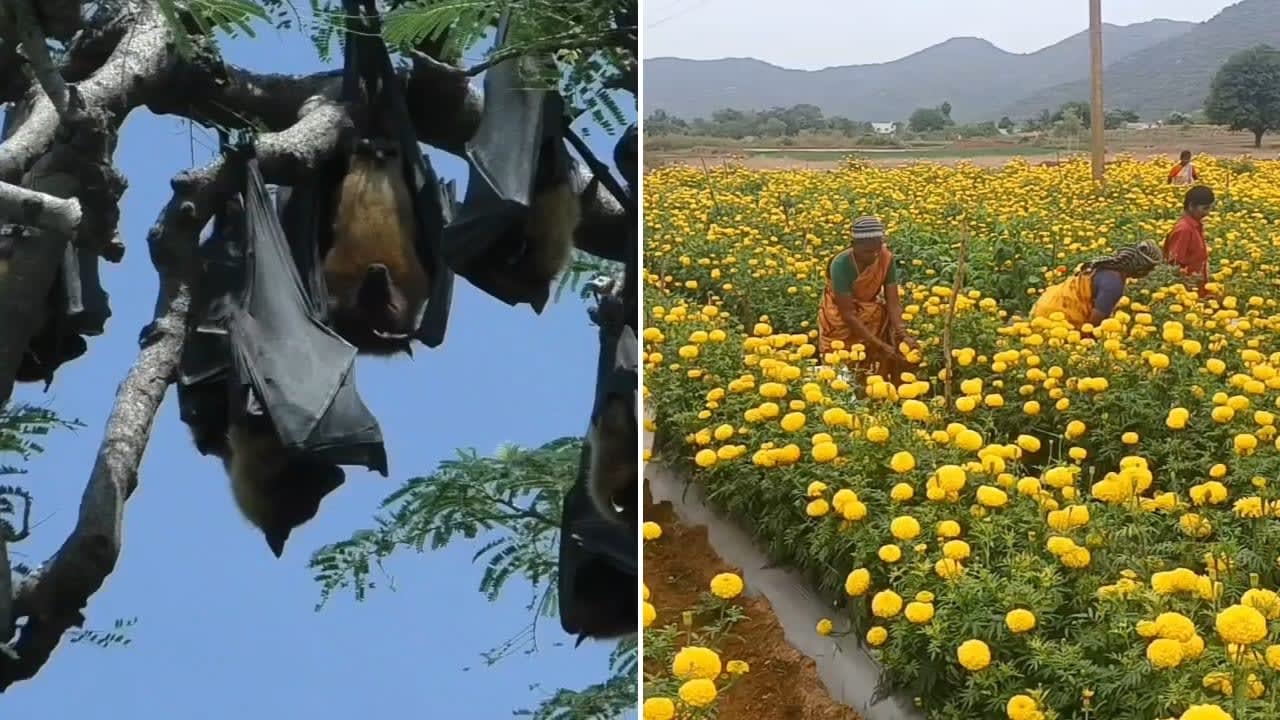
A Tamil Nadu village has chosen to forgo Diwali fireworks to protect a colony of 2,000 bats residing in local trees. This act highlights a growing trend of eco-conscious cultural practices in rural India.
A Silent Diwali: Protecting Biodiversity in Tamil Nadu
In a heartening display of environmental stewardship, residents of a specific village in Tamil Nadu have once again chosen to abstain from bursting firecrackers during Diwali. This decision is driven by a singular, compassionate objective: the protection of approximately 2,000 bats that have made the village's trees their home. By prioritizing the safety of these nocturnal creatures over traditional celebrations, the community is setting a powerful precedent for how human traditions can coexist with local ecosystems.
The Impact of Noise and Light on Wildlife
Bats are particularly sensitive to the high-decibel noise and sudden, intense flashes of light associated with traditional firecrackers. For a colony of 2,000, the sensory overload of Diwali can lead to extreme stress, disorientation, and even physical injury as they attempt to flee their roosts. By eliminating fireworks, the villagers are effectively creating a 'dark sky' and 'quiet zone' sanctuary, allowing these mammals to remain undisturbed during their natural resting and feeding cycles.
Cultural Evolution and Environmental Ethics
This village's commitment reflects a broader, evolving narrative regarding cultural celebrations in India. While Diwali is a festival of lights, the modern interpretation of the holiday is increasingly being scrutinized for its environmental impact, including air pollution and noise levels. The villagers' choice demonstrates that tradition does not have to remain static; it can evolve to incorporate modern values of wildlife conservation and empathy for non-human inhabitants.
The Ecological Role of Bats
Beyond the ethical considerations, the protection of this bat colony is vital for the local environment. Bats serve as critical pollinators and natural pest controllers for the surrounding agricultural lands. By ensuring their survival, the villagers are inadvertently supporting the health of their own crops. The bats help maintain the balance of the local ecosystem, proving that the welfare of wildlife is intrinsically linked to the prosperity of the village.
Looking Toward a Sustainable Future
As urbanization and industrialization continue to encroach on natural habitats, the actions of this Tamil Nadu village serve as a model for community-led conservation. Their decision to put wildlife before celebration is a microcosm of the global shift toward sustainable living. As more communities witness the success of such initiatives, it is likely that similar practices will gain traction, fostering a culture where the celebration of festivals and the protection of nature go hand-in-hand.
Verification Required?