Tarun Tahiliani reimagines couture show: Why his biggest statement this season had echoes of protest too
Source Entity
Rinku Ghosh
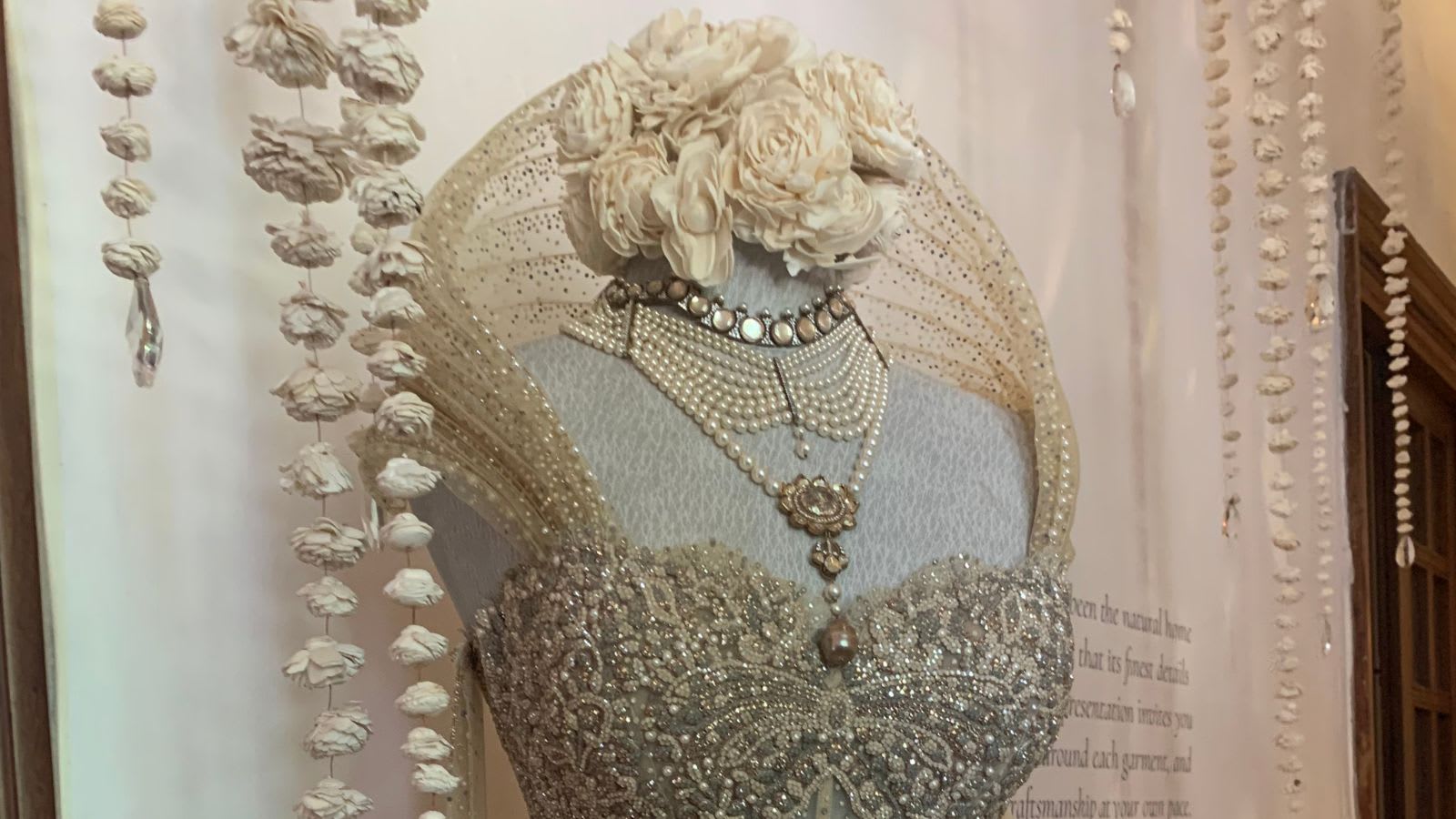
Designer Tarun Tahiliani is fostering a new generation of creative talent that balances high fashion with social awareness. His team members, like Rishabh, are encouraged to challenge the status quo, reflecting a broader shift toward democratic expression in the industry.
The Intersection of Couture and Conscience
In a striking reflection of modern Indian youth culture, the high-stakes environment of India Couture Week has become a backdrop for social engagement. Rishabh, a 24-year-old designer currently working at Tarun Tahiliani’s prestigious atelier, recently demonstrated this dual commitment by participating in protests at Jantar Mantar regarding the NEET paper leak while simultaneously managing the intense rigors of couture preparations. This intersection highlights a growing trend where the next generation of creative professionals refuses to exist in a vacuum, choosing instead to engage with the socio-political realities of their nation.
Fostering a Culture of Inquiry
Veteran designer Tarun Tahiliani’s approach to mentorship provides the structural foundation for this dual-life approach. Rather than demanding total immersion in the aesthetic world, Tahiliani actively encourages his staff to travel, absorb diverse cultural landscapes, and critically examine existing conventions. By prioritizing the ability to question the status quo, Tahiliani is cultivating a design team that views fashion not merely as an exercise in luxury, but as a vehicle for individual and collective expression.
Fashion as Democratic Expression
For young designers like Rishabh, the realization that fashion can be a form of democratic expression is transformative. This philosophy suggests that the couture world is evolving from a rigid, exclusionary space into one that values personal perspective and social awareness. By inviting his team to reinterpret what already exists through their own individual lenses, Tahiliani is essentially democratizing the design process, allowing the external concerns of the youth to inform the internal creative output of the atelier.
The Impact of Social Awareness on Design
Integrating personal activism with professional practice serves to enrich the creative work produced within the studio. When designers are permitted to engage with the world outside the atelier—whether through academic protests or cultural exploration—they bring back nuanced perspectives that challenge traditional couture tropes. This synthesis of real-world experience and high-fashion craftsmanship is what keeps a legacy brand relevant in an increasingly volatile and socially conscious marketplace.
Future Trends in Creative Leadership
The mentorship model exhibited by Tahiliani points toward a shift in how fashion houses may operate in the future. As creative professionals increasingly prioritize their identity as citizens alongside their roles as artists, leaders who support this balance will likely attract more innovative and dedicated talent. This holistic approach ensures that the future of Indian couture remains grounded in the realities of its time, rather than becoming detached from the societal fabric it serves to clothe.
Conclusion
The story of Rishabh and his work at Tarun Tahiliani’s atelier serves as a microcosm of a larger cultural shift. By bridging the gap between the protest lines at Jantar Mantar and the runway at India Couture Week, the new guard of Indian fashion is proving that one can be both a creator of luxury and a participant in civic life. This fusion of activism and artistry promises to bring a more authentic and deeply personal narrative to the garments of the future.