At board meet, Noel Tata to push to keep Tata Sons private
Source Entity
REEBA ZACHARIAH
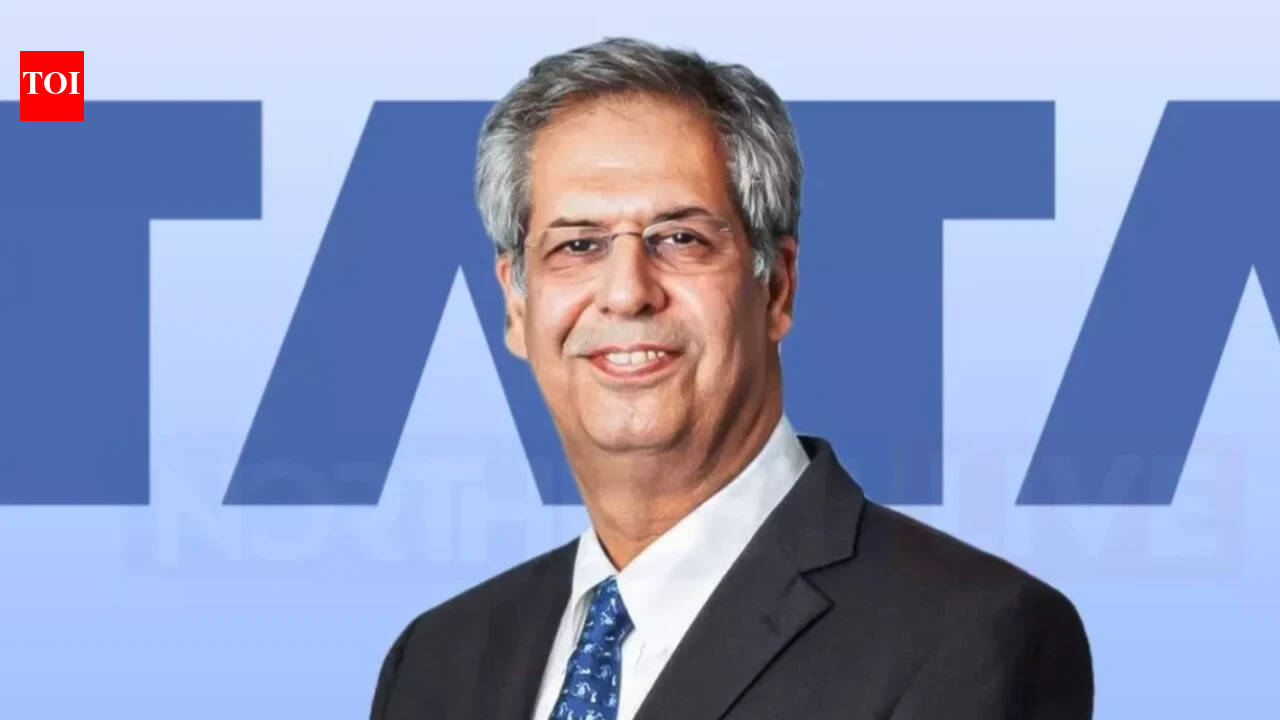
The Tata Sons board is convening on September 17 to address critical leadership and regulatory challenges, including an RBI mandate and N Chandrasekaran's potential exit. Noel Tata is reportedly advocating to maintain the firm's private status while seeking compliance with RBI regulations.
The Tata Sons Boardroom Crossroads
The upcoming board meeting of Tata Sons, scheduled for September 17, represents a pivotal moment for one of India's most influential conglomerates. The agenda is dominated by three high-stakes issues: the potential transition in leadership, a regulatory impasse with the Reserve Bank of India (RBI), and internal procedural delays regarding the company’s Annual General Meeting (AGM). These developments suggest a period of significant strategic recalibration for the holding company.
The Leadership Dilemma
At the heart of the board's internal debate is the future of Chairman N Chandrasekaran. His tenure has been marked by significant growth and digital transformation across the group’s diverse portfolio. However, the board is reportedly split on whether to grant him an extension. Given the influence of Tata Trusts, which holds a controlling stake, the final decision will likely reflect a consensus between the board's professional directors and the strategic vision of the Trusts.
Regulatory Pressures: The RBI Mandate
The RBI’s involvement adds a layer of complexity to the group's governance. As an upper-layer non-banking financial company (NBFC), Tata Sons is under regulatory scrutiny. The core of the tension lies in the RBI's September 11 letter, which dictates strict compliance protocols. The board must now balance the need for regulatory adherence with the desire to preserve the company's traditional structure.
The Case for Remaining Private
Noel Tata has emerged as a key voice in this debate, advocating for a strategy that ensures compliance without resorting to a public listing. His argument posits that while the RBI mandates strict adherence to the rules governing upper-layer NBFCs, it does not explicitly necessitate an initial public offering (IPO). This approach aims to satisfy regulatory authorities while maintaining the operational autonomy that comes with a private structure.
Implications for Corporate Governance
The ongoing impasse over the AGM further highlights the internal friction within the group. The resolution of these three issues—leadership continuity, regulatory compliance, and governance procedures—will set a precedent for how large Indian conglomerates navigate the evolving demands of financial regulators and internal shareholder dynamics. The outcome of the September 17 meeting will likely serve as a roadmap for the group’s stability in the coming decade.
Future Outlook
As the board navigates these challenges, the primary objective remains balancing the legacy of the Tata Group with modern regulatory requirements. Whether the board opts for a leadership transition or a continuation, the decision will significantly influence investor confidence and the group's long-term strategic direction in a rapidly changing economic landscape.