How Tata Sons will pick N Chandrasekaran's successor and who will choose him
Source Entity
Latest News: Todays Latest News Headlines from India & World | Hindustan Times | Hindustan Times
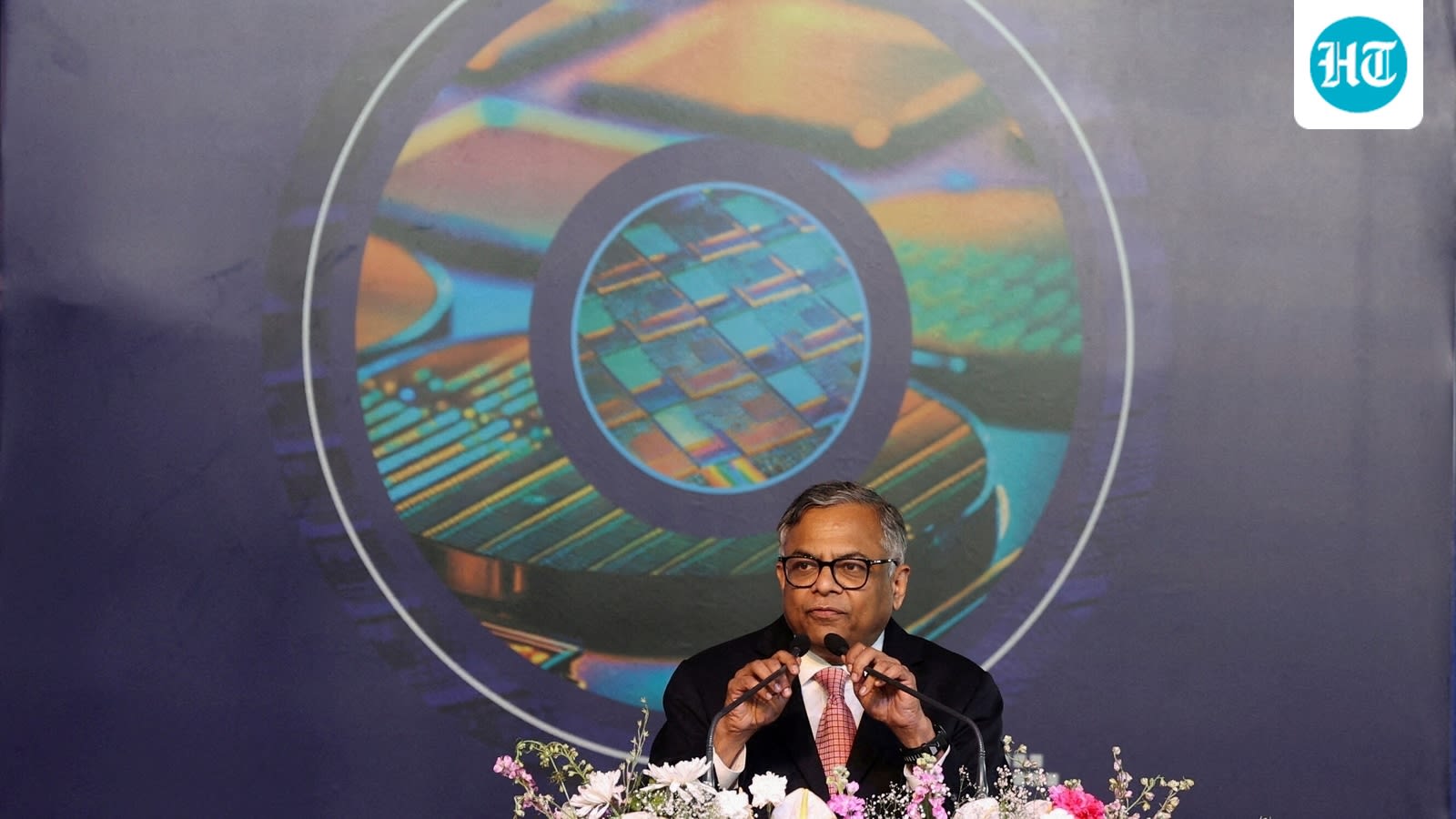
Tata Trusts has initiated the search for a successor to N Chandrasekaran, who will step down as Tata Sons chairman after his second term. A dedicated selection committee is being formed to oversee this transition for the diversified conglomerate.
The Leadership Transition at Tata Sons
The Tata Group, one of India’s most storied and influential business conglomerates, is entering a critical period of leadership transition. N Chandrasekaran, who has steered the group through a phase of significant change, growth, and transformation, has announced his decision not to seek a third term as chairman of Tata Sons. This announcement has triggered a formal search process initiated by the Tata Trusts, the charitable entities that hold a controlling stake of nearly two-thirds in the holding company.
The Role of Tata Trusts in Governance
The ownership structure of the Tata Group is unique, with philanthropic trusts holding the majority of equity in Tata Sons. This structure ensures that a significant portion of the group's dividends is directed toward social development and charitable initiatives. Because of this concentration of ownership, the Sir Dorabji Tata Trust (SDTT) and other associated trusts play a decisive role in the governance of the holding company, including the appointment of its chairman. The decision to form a selection committee reflects the Trusts' commitment to maintaining stability while steering the group toward future growth.
A Legacy of Transformation
Under N Chandrasekaran’s leadership, Tata Sons underwent extensive restructuring and strategic pivots. His tenure has been characterized by the digitization of group companies, the consolidation of businesses, and a sharpened focus on emerging sectors like electric vehicles and semiconductors. The Trusts’ public acknowledgment of his contributions underscores the high regard for the stability and modernization he brought to the conglomerate during a volatile global economic period.
The Selection Committee Process
The initiation of the search process for a successor is a calculated move designed to ensure a seamless transition and prevent potential leadership vacuums. By establishing a formal selection committee, the board aims to identify a leader who can continue the group's legacy of ethical governance while navigating the complexities of a diversified portfolio. This committee is tasked with evaluating candidates who not only possess the business acumen to manage a global entity but also align with the core values of the Tata Trusts.
Broader Implications and Future Outlook
The transition at the helm of Tata Sons is not merely a corporate change; it is an event with significant implications for the Indian economy. As the group operates across sectors ranging from information technology to steel and aviation, the successor's vision will directly influence the broader industrial landscape of the country. The market will be watching closely to see if the group maintains its current trajectory of modernization or shifts its focus toward new strategic priorities under fresh leadership.
Conclusion
The upcoming leadership change marks the end of a pivotal chapter for Tata Sons. As the selection committee begins its work, the focus remains on ensuring that the conglomerate remains a beacon of institutional stability. The transition will ultimately test the strength of the governance framework established by the Tata Trusts and determine the group's ability to maintain its growth momentum in an increasingly competitive global market.
Verification Required?