Taylor Farms pulls iceberg lettuce from the US market after cyclosporiasis outbreak
Source Entity
Richard Lawler
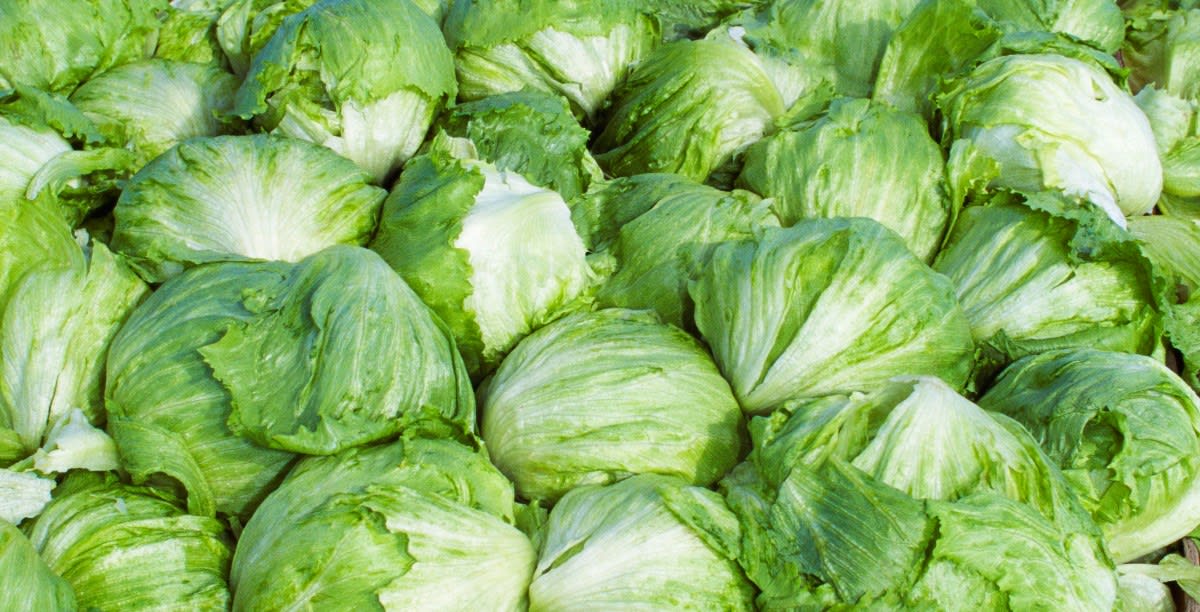
Taylor Farms has initiated a voluntary recall of iceberg lettuce sourced from central Mexico following a Cyclospora outbreak. Major distributors and retailers, including Taco Bell and Sysco, are pulling the affected products to ensure consumer safety.
Swift Response to Public Health Concerns
In a significant move to mitigate public health risks, Taylor Farms has announced the voluntary removal of all iceberg lettuce sourced from central Mexico from the United States market. This decision follows an investigation into a recent outbreak of cyclosporiasis, an intestinal infection caused by the microscopic parasite Cyclospora cayetanensis. By taking this proactive step, the company aims to contain the potential spread of the parasite, which is typically transmitted through the consumption of contaminated water or food.
Supply Chain Disruptions and Major Stakeholders
The impact of this recall extends deep into the American food supply chain. According to reports, Taylor Farms notified major industry partners, including Yum Brands—the parent company of Taco Bell—and the food distributor Sysco, on Thursday to immediately cease the distribution of shredded lettuce. The specific products targeted are those produced in 5-pound bags at a facility located in Guanajuato, Mexico. This highlights the vulnerabilities inherent in globalized food sourcing, where a localized contamination event at a single processing facility can trigger a massive logistics response across international borders.
Understanding Cyclospora and Food Safety
Cyclosporiasis is a recurring challenge for the fresh produce industry. Unlike bacterial contaminants such as E. coli or Salmonella, the Cyclospora parasite requires time—often days to weeks—to become infectious after being excreted in stool. This biological characteristic often complicates outbreak investigations, as the time gap between consumption and the onset of symptoms can make it difficult for health officials to trace the exact source of contamination. The industry's reliance on centralized processing facilities means that a single breach in sanitation or water quality can affect a wide geographic area.
Corporate Accountability and Market Impact
The voluntary nature of Taylor Farms' recall is a standard, yet critical, procedure in modern food safety management. By acting before a mandatory government order, the company attempts to maintain consumer trust and limit legal liability. However, the reliance of major fast-food chains like Taco Bell on a centralized supplier demonstrates how high-volume food service models are susceptible to systemic shocks. As food safety regulations evolve, companies are increasingly expected to implement more rigorous traceability protocols to isolate contaminated batches without requiring such broad market withdrawals.
Future Trends in Produce Safety
Looking ahead, this event underscores the necessity for advancements in agricultural water testing and supply chain transparency. As consumer demand for fresh, year-round produce continues to drive imports from diverse climates, the pressure on international suppliers to meet stringent food safety standards will only increase. Future trends will likely focus on the integration of blockchain or similar tracking technologies that allow for real-time monitoring of produce from the field to the point of sale, potentially reducing the scale of future recalls and protecting both public health and corporate brand equity.