What Taylor Farms products were recalled from Walmart, is CEO Bruce Taylor MAGA? Questions amid FDA ‘false positive' row
Source Entity
Latest News: Today's Latest News Headlines from India & World | Hindustan Times | Hindustan Times
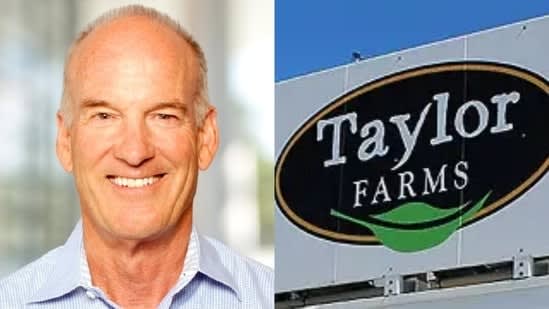
Taylor Farms is navigating a recall crisis following a Cyclospora outbreak, despite a dispute over a lab 'false positive.' The FDA maintains that epidemiological data necessitates the recall regardless of that specific test result.
The Taylor Farms Recall: Navigating a Complex Food Safety Crisis
The Intersection of Public Health and Corporate Communication
Taylor Farms, a major player in the produce industry, currently finds itself at the center of a significant food safety investigation following an outbreak of Cyclosporiasis. The situation has been compounded by a public dispute between the company and the Food and Drug Administration (FDA) regarding the validity of specific laboratory testing. When Taylor Farms publicly claimed the agency had 'apologized' for a 'false positive' test result, it introduced a layer of confusion into an already sensitive public health recall.
Understanding the FDA's Stance on Epidemiological Data
In response to the company’s claims, the FDA issued a firm clarification. The agency emphasized that while a single laboratory sample may have yielded a false positive, this does not invalidate the broader, 'overwhelming epidemiological data' that links Taylor Farms' products to the current outbreak. By distinguishing between a specific lab error and the aggregate evidence used to justify a recall, the FDA is attempting to maintain public trust while ensuring that potentially hazardous produce remains off store shelves.
The Impact of Recall Procedures on Supply Chains
Even as the debate over the laboratory testing continues, the voluntary recall remains firmly in place. For a company of Taylor Farms' scale, such recalls are logistical nightmares that ripple through the entire food supply chain. Retailers like Walmart, which stock these products, are forced to remove items immediately, leading to significant inventory losses and supply chain disruptions. This event highlights the volatility inherent in the fresh produce sector, where health risks are often detected in real-time, necessitating rapid, high-stakes decisions.
Digital Scrutiny and Speculation
Beyond the technical aspects of food safety, the incident has drawn intense social media scrutiny. Online discourse has veered into speculative territory, with users questioning the political affiliations of CEO Bruce Taylor. While these inquiries into corporate leadership are common in today’s polarized climate, they often distract from the core issue: the safety of the food supply. The incident serves as a case study for how modern corporations must manage not only the physical risks of contamination but also the digital narrative that forms around their leadership during a crisis.
Future Trends in Produce Safety
Looking forward, this row underscores the need for more transparent and standardized communication protocols between federal regulators and private entities. As the FDA continues its investigation, the industry will likely face increased pressure to adopt more rigorous testing and verification methods to avoid such public discrepancies in the future. The ability of a company to effectively manage both the scientific reality of a recall and the public perception of its leadership will remain a critical factor in maintaining market viability in the wake of foodborne illness outbreaks.
Verification Required?