Teachers on SIR duty protest sharing of personal phone numbers, cite round-the-clock calls
Source Entity
The Indian Express
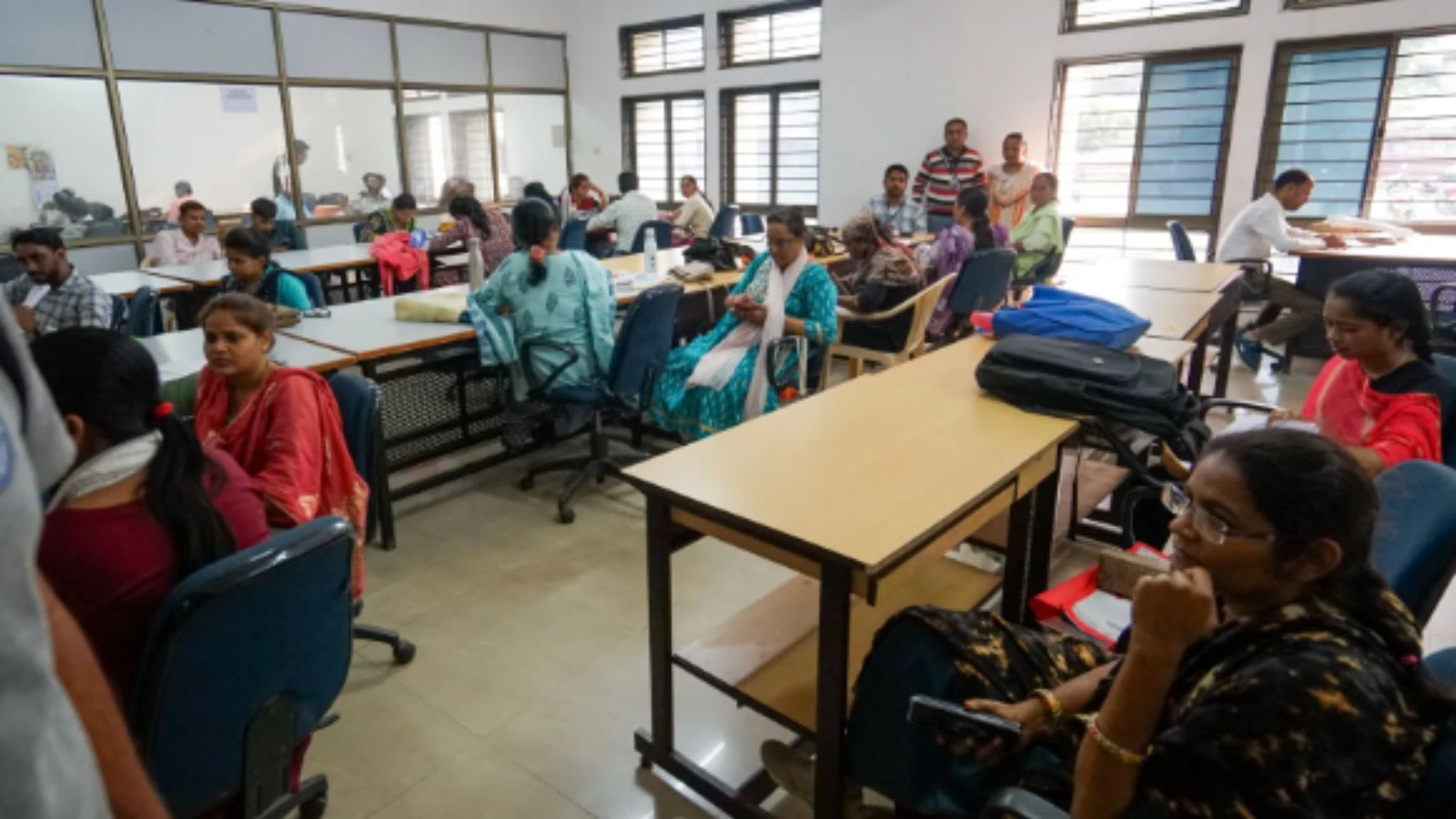
Already burdened with electoral duties in addition to their teaching responsibilities, teachers said constant phone calls have become an added source of stress. (Representational image/File) Teachers...
Privacy Breach and Professional Burnout: The Crisis of Teachers on SIR Duty
The Intersection of Duty and Privacy
The recent protests by teachers assigned to Special Institutional Responsibility (SIR) duty highlight a growing tension between administrative requirements and the fundamental right to privacy. At the heart of the grievance is the unauthorized dissemination of teachers' personal phone numbers to the public or other administrative bodies. This practice has effectively erased the boundary between professional obligations and personal life, leaving educators vulnerable to constant, unregulated communication. When personal contact details are shared without consent, the resulting "round-the-clock" calls transform a professional assignment into an invasive experience, significantly increasing the psychological burden on the staff involved.
The Cumulative Burden of Dual Responsibilities
To understand the intensity of this protest, one must look at the broader context of the teachers' workload. These educators are not merely dealing with the stress of SIR duties; they are simultaneously managing their core teaching responsibilities and the rigorous demands of electoral duties. In many administrative frameworks, teachers are frequently co-opted for election management due to their literacy and organizational skills. However, the layering of these three distinct roles—educator, election official, and SIR officer—creates a state of chronic overextension. The protest is not just about a phone number; it is a reaction to a systemic failure to provide adequate support and staffing for these critical civic functions.
Psychological Impact and the Erosion of Work-Life Balance
The mention of "added sources of stress" points to a deeper issue of professional burnout. The expectation of 24/7 availability, facilitated by the sharing of personal numbers, creates a state of hyper-vigilance. Educators, who already face high-pressure environments in the classroom, find themselves unable to disconnect, leading to mental exhaustion and decreased productivity. This erosion of the "right to disconnect" is particularly damaging in the teaching profession, where emotional labor is high. When the home environment is invaded by work-related calls at all hours, the capacity for recovery and preparation for the next school day is severely compromised.
Institutional Failures in Communication Infrastructure
This crisis underscores a significant gap in the institutional communication infrastructure. The reliance on personal phone numbers suggests a lack of official, centralized communication channels or dedicated government-issued devices for those on special duty. By leveraging personal assets (smartphones and SIM cards) for state functions, the administration effectively offloads the cost and stress of communication onto the employee. This lack of a formal buffer—such as a dedicated helpline or an official digital portal—forces the teacher to act as the primary point of contact for all inquiries, regardless of the time or urgency, leading to the current unrest.
Future Implications and the Need for Policy Reform
Looking forward, this event serves as a catalyst for a necessary conversation regarding digital boundaries in public service. It is likely that these protests will lead to demands for a formalized "Digital Privacy Protocol" for government employees on special duty. Future trends may see the introduction of virtual numbers or encrypted communication apps that allow officials to interact with the public without revealing their private identities. If the administration fails to implement these safeguards, it risks further alienating a critical workforce, potentially leading to wider strikes or a decline in the quality of both educational and electoral administration.
Conclusion
In summary, the protest by teachers on SIR duty is a symptom of a larger systemic issue where civic duty is conflated with personal availability. The combination of electoral burdens, teaching loads, and the violation of privacy through the sharing of phone numbers has pushed educators to a breaking point. Resolving this conflict requires more than just a cessation of number sharing; it requires a comprehensive overhaul of how special duties are staffed and communicated to ensure that those serving the state are not sacrificed in the process.