Tech's AI debt boom, in one chart
Source Entity
Yahoo Finance
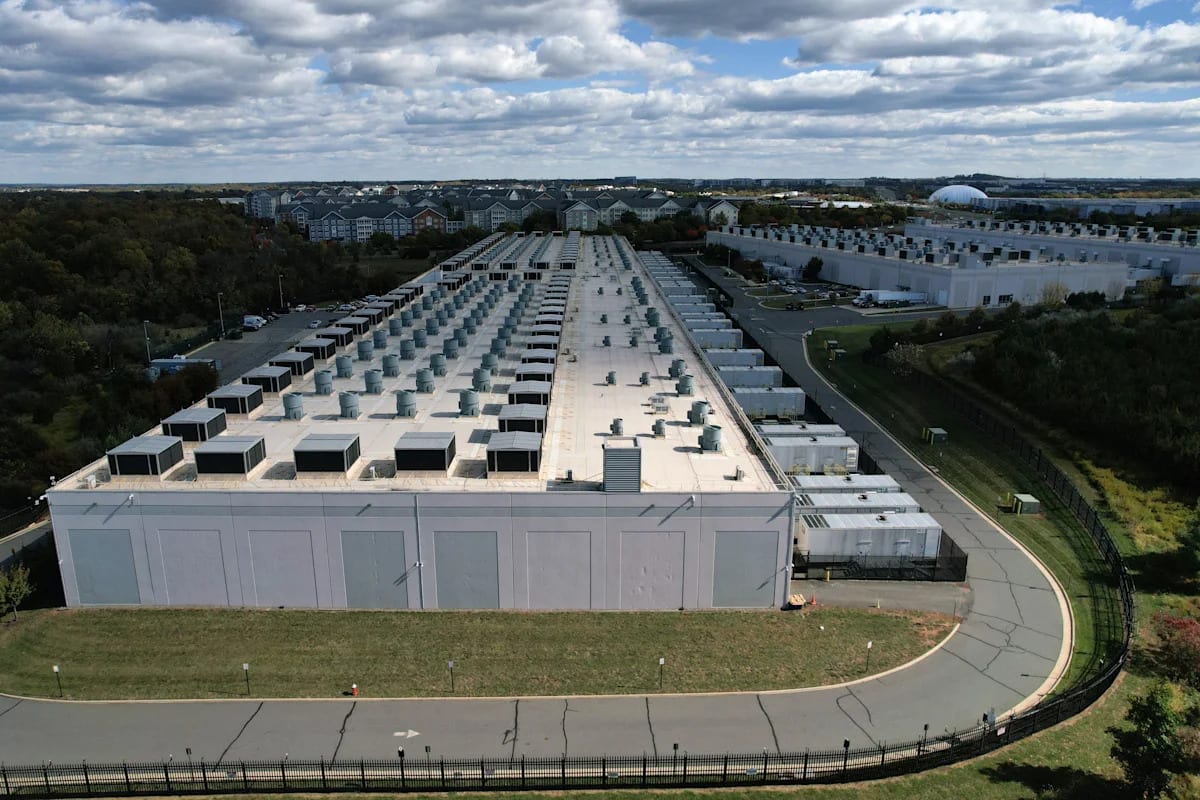
Tech companies are fueling an unprecedented AI investment boom by tapping debt markets, with 2026 issuance already reaching $489 billion. Hyperscalers account for 40% of this supply, signaling a massive shift in how the industry finances its infrastructure ambitions.
The Unprecedented Surge in AI-Driven Corporate Debt
The technological landscape of 2026 is currently defined by a massive, debt-fueled expansion into artificial intelligence. According to recent data from Goldman Sachs, the scale of capital mobilization is staggering, with $489 billion in AI-related debt already issued this year. This figure not only surpasses last year’s total of $322 billion but also shatters initial Wall Street projections, suggesting that the industry's appetite for AI infrastructure is far more voracious than analysts previously anticipated.
The Role of Hyperscalers in Market Dominance
At the heart of this financial surge are the 'hyperscalers'—the massive cloud service providers that underpin the modern digital economy. These entities are responsible for 40% of the current year’s AI-related debt supply. By leveraging their balance sheets to secure billions in funding, these corporations are effectively betting their future growth on the assumption that AI integration will yield long-term dividends that far outweigh the current cost of borrowing.
Infrastructure as the New Frontier
Beyond the primary tech giants, the debt boom has trickled down into the broader tech ecosystem. A significant portion of this capital is being funneled into data center financing, a critical bottleneck in the AI race. As these companies strive to build the physical infrastructure necessary for high-performance computing, the debt markets have become the primary utility for rapid expansion, shifting the financial burden from pure equity to structured debt instruments.
Implications for Wall Street and Market Stability
The fact that debt issuance has already exceeded previous estimates with five months remaining in the year underscores a potential paradigm shift in capital allocation. For investors, this trend represents both an opportunity and a risk; while the massive influx of cash accelerates innovation, it also ties the health of major tech firms to interest rate environments and debt-servicing capabilities. Goldman Sachs strategist Amanda Lynam’s research highlights that this is not merely a transient trend but a structural change in how tech companies fund their AI ambitions.
Future Trends and Strategic Outlook
Looking ahead, the trajectory of this 'AI debt' cycle will likely dictate the pace of global technological advancement. If the infrastructure projects currently being financed prove successful in driving revenue, the debt will be viewed as a prudent investment. However, if the ROI on AI projects fails to materialize at the scale expected, the sheer volume of this debt could lead to significant financial recalibrations across the tech sector. The coming months will be critical in determining whether this capital expenditure cycle leads to a new era of productivity or a period of financial cooling.