Jensen Huang has a high-stakes message for AI policymakers
Source Entity
Christine Ji
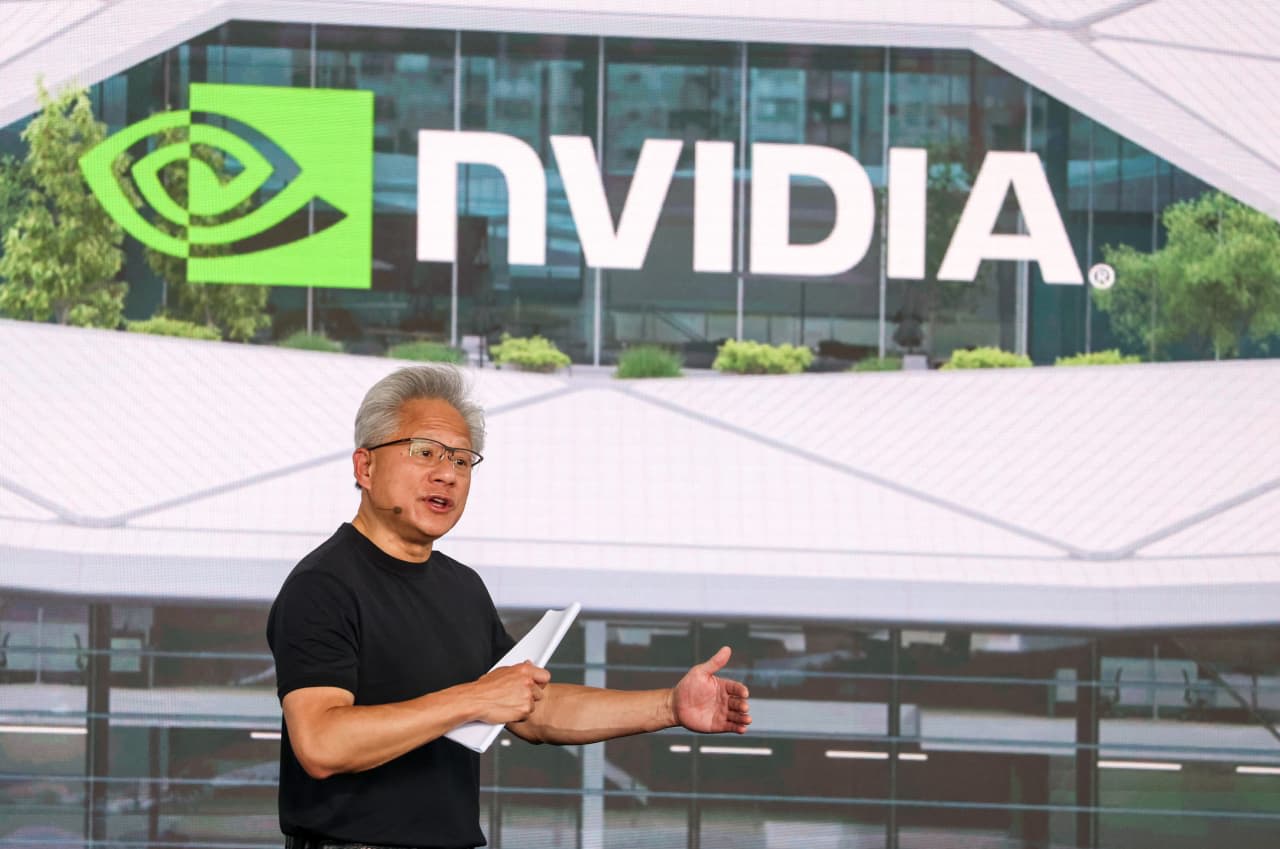
Major tech firms including Nvidia, Microsoft, and Meta are lobbying against broad government restrictions on open-weight AI models. The industry warns that such measures could stifle innovation and competitiveness amid rising geopolitical concerns over Chinese AI development.
The Battle Over Open-Weight AI Policy
Industry Pushback Against Regulatory Overreach
A powerful coalition of technology giants—including Nvidia, Microsoft, Meta, and Palantir—has issued a formal warning to Washington policymakers, urging them to avoid "premature restrictions" on open-weight artificial intelligence models. By signing an open letter, these companies argue that broad legislative crackdowns could inadvertently stifle domestic competition and drive vital technological innovation to overseas markets. This unified front highlights a growing tension between national security interests and the desire to maintain a flourishing, collaborative ecosystem for AI development.
The Geopolitical Context of AI Distillation
The debate is heavily influenced by rising concerns regarding the competitive trajectory of Chinese AI labs. Specifically, allegations have surfaced suggesting that Chinese firms are utilizing a practice known as "model distillation," where proprietary data or architectures from advanced American models are used to train their own systems. A prominent example cited involves the White House's accusation that Moonshot AI distilled technology from Anthropic’s Fable model to create the Kimi K3, an AI system that has demonstrated impressive capabilities, signaling a narrowing gap between US and Chinese AI performance.
Intellectual Property and National Security
The core of the conflict lies in the potential for intellectual property theft and the broader implications for U.S. national security. Washington is currently weighing the possibility of banning Chinese open-weight models and implementing sanctions against foreign AI entities. These measures are designed to protect the integrity of American innovation, yet the industry warns that treating open-weight models as a primary vector for espionage could lead to regulatory outcomes that punish the broader developer community and hinder the open-source progress that has defined the current AI boom.
Divergence in Corporate Strategies
Notably, the coalition urging restraint does not include some of the industry's most prominent players, such as OpenAI and Anthropic. This absence underscores a fundamental strategic divide within the sector: companies favoring closed, proprietary models versus those that champion open-weight architectures. While closed models offer greater control over security and IP, open-weight models provide accessibility that accelerates global adoption and research. Policymakers are now caught in the middle of this philosophical and economic divide, attempting to balance the risks of open access against the benefits of widespread innovation.
Future Trends and Regulatory Implications
As the U.S. government continues to deliberate, the path forward remains uncertain. If Washington chooses to impose strict, broad-based limitations on open-weight models, it could fundamentally alter the global AI landscape, potentially forcing a bifurcation of technology standards between the West and China. Conversely, a more nuanced approach—focused on specific security threats rather than broad model categories—might preserve the industry's competitive edge. The ultimate decision will likely shape the next decade of AI development, determining whether the field remains a collaborative, global endeavor or shifts toward a more fragmented, protectionist environment.
Multiple Citing Sources
Verification Required?