Ted Turner's $1bn pledge inspired by washerwoman's $150,000 gift; $3bn followed
Source Entity
TOI WORLD DESK
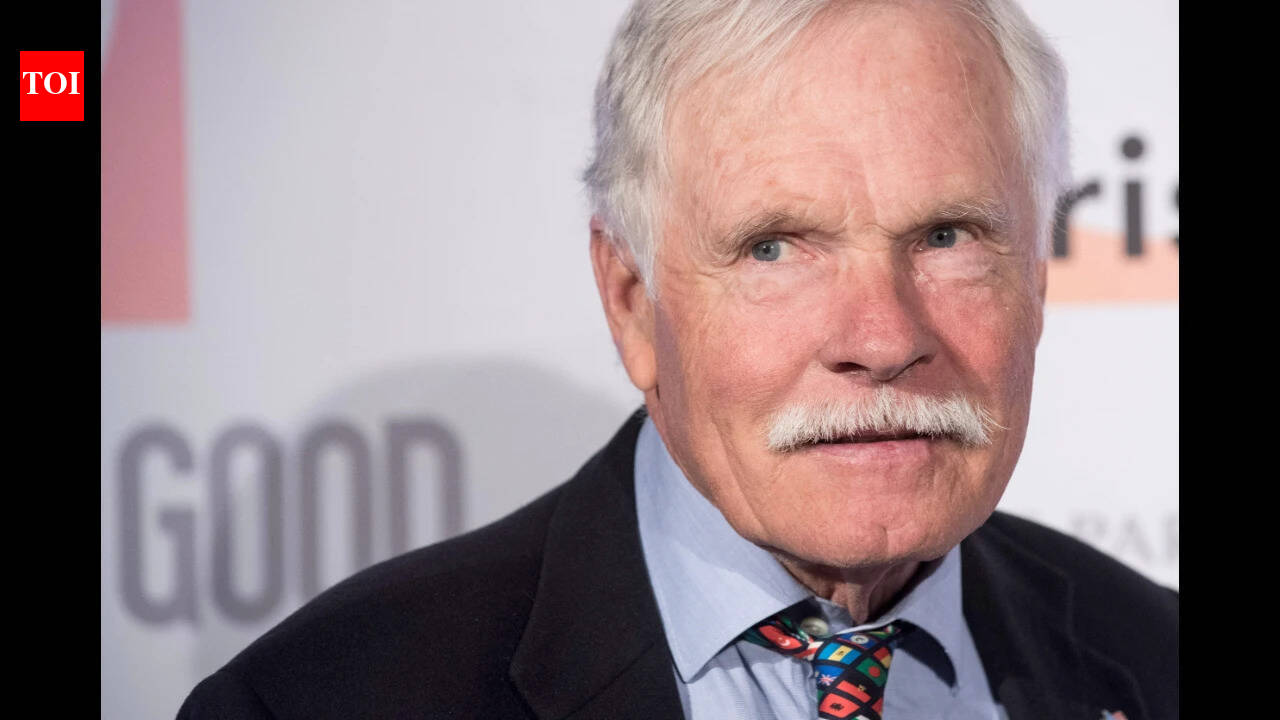
Ted Turner's historic 1997 pledge of $1 billion to the United Nations was sparked by a Mississippi washerwoman's selfless $150,000 donation. This act catalyzed the creation of the UN Foundation, ultimately mobilizing over $4 billion in total global funding.
The Catalyst of Altruism: Ted Turner's Historic UN Pledge
In 1997, a profound intersection of grassroots generosity and high-profile philanthropy reshaped the landscape of international aid. Ted Turner, the media mogul and entrepreneur, made headlines by pledging $1 billion to support United Nations causes. This monumental decision was not born in a boardroom, but rather inspired by the humble actions of a Mississippi washerwoman who had donated $150,000 of her life savings to fund scholarships. Her act of extreme sacrifice served as a moral compass for Turner, demonstrating that the scale of a gift is often less important than the spirit behind it.
The Birth of the United Nations Foundation
Following Turner’s initial pledge, the United Nations Foundation was established to manage and distribute these resources effectively. This organization became a critical vehicle for channeling private capital into multilateral efforts. By bridging the gap between individual donors and international mandates, the foundation proved that private citizens could play a vital role in supporting the UN’s core missions—ranging from public health initiatives to peacekeeping and environmental sustainability.
Scaling Impact: The $4 Billion Legacy
While the initial $1 billion pledge was historic in its own right, the long-term ripple effects have been even more significant. As noted by his daughter, Turner’s initial commitment acted as a powerful force multiplier, leading to an additional $3 billion in funds being raised for essential global causes. This cumulative $4 billion impact underscores the 'multiplier effect' in philanthropy, where a singular, bold commitment encourages institutional and individual donors to follow suit.
Lessons in Global Cooperation
Turner’s philanthropic journey highlights the necessity of worldwide cooperation in addressing complex, trans-border challenges. By tying his resources to the United Nations, he signaled a belief in the necessity of international governance and collective action. This approach remains a blueprint for modern philanthropists who seek to address issues that no single nation can solve alone, such as climate change, pandemic preparedness, and systemic poverty.
Motivating a New Generation of Givers
Beyond the raw financial figures, Turner’s actions have left an indelible mark on the culture of giving. He demonstrated that high-net-worth individuals have a unique capacity to influence the global agenda. His story continues to motivate countless individuals to engage in positive change, proving that the altruistic example of a single person—like the Mississippi washerwoman—can ignite a chain reaction that spans decades and continents.
Future Trends in Philanthropy
The trajectory of Turner’s contributions suggests a growing trend toward strategic, mission-aligned giving. As we look toward the future, the integration of private wealth with global public policy will likely become more sophisticated. The legacy of the UN Foundation serves as a testament to the fact that when private capital is aligned with global humanitarian goals, the potential for measurable, large-scale impact is nearly limitless.