Copper wire upgrade caused nationwide flight suspension, US transport secretary says
Source Entity
BBC News
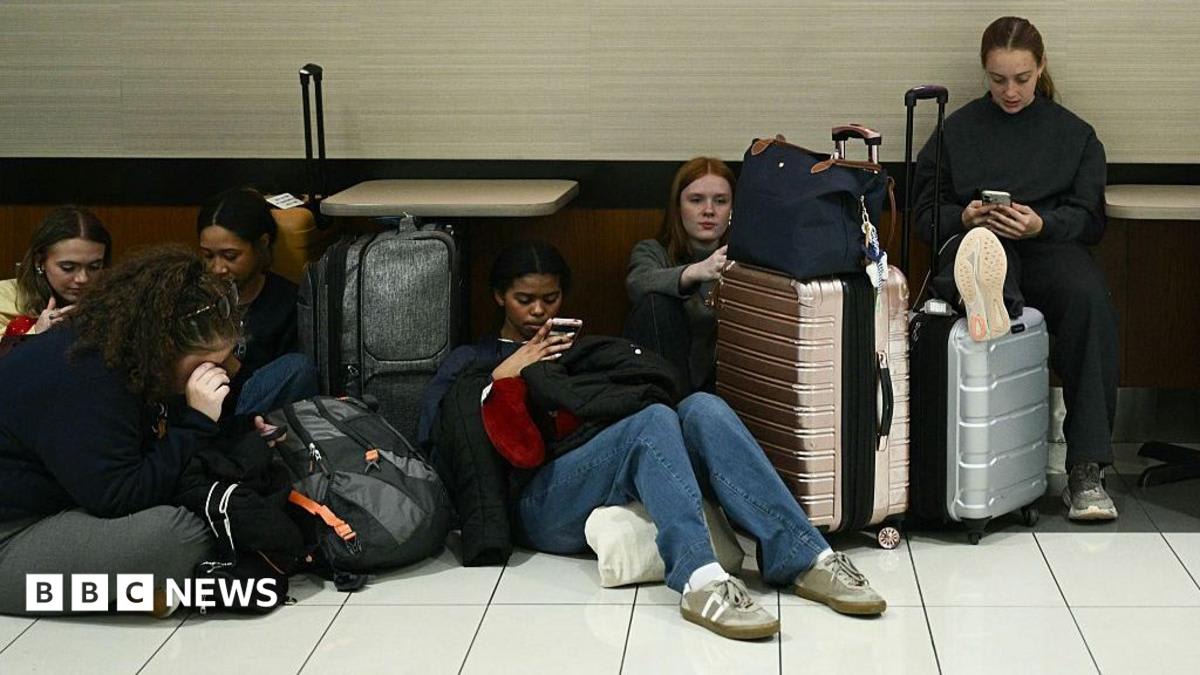
A massive technical failure in the US air-traffic control system caused widespread flight cancellations and delays nationwide. Transportation Secretary Sean Duffy has pointed to a faulty router during a contractor-led upgrade as the primary cause, sparking calls for infrastructure modernization.
The Cascading Impact of the US National Ground Stop
The recent nationwide grounding of US aircraft has sent shockwaves through the global aviation industry, highlighting the fragility of critical infrastructure. The chaos began on Friday when a technical failure forced the Federal Aviation Administration (FAA) to initiate a rare, total ground stop, leaving thousands of passengers stranded and disrupting air travel logistics across the country. Even days after the initial event, the ripple effects continue to disrupt travel, with officials warning that full operational normalcy may not be achieved until Monday.
The Anatomy of a System Failure
According to US Transportation Secretary Sean Duffy, the root of this collapse was not a cyberattack, but rather a technical error occurring during a network infrastructure upgrade. The process involved transitioning systems from legacy copper wiring to fiber-optic cables. During this transition, a router being replaced began flooding other routers in the network, triggering a catastrophic failure of the air-traffic control communication system. This incident underscores the extreme complexity and sensitivity of the systems required to manage thousands of flights simultaneously.
Accountability and Contractor Scrutiny
Secretary Duffy has directed significant scrutiny toward L3Harris, the contractor tasked with the network upgrade. Investigators are currently examining whether the outage was the result of technical oversight or outright incompetence. L3Harris has officially stated that they are cooperating fully with the FAA’s investigation, acknowledging the gravity of the situation and the impact on the traveling public. This incident has reignited debates regarding the reliance on private contractors for the maintenance and modernization of critical national infrastructure.
The Logistical Nightmare: Displacement of Resources
Beyond the immediate technical fix, the aviation industry faces a significant logistical hurdle. Aviation is a highly calibrated "just-in-time" industry; when thousands of flights are grounded, airplanes and flight crews end up physically displaced from their required departure hubs. Secretary Duffy noted that these "out-of-position" assets are the primary reason for the lingering delays and cancellations, as airlines struggle to re-sync their schedules and crew rotations in the wake of the four-hour ground stop.
Calls for Modernization
In the aftermath of the disruption, President Donald Trump has called upon Congress to prioritize and approve increased funding for the modernization of the air-traffic control system. The incident has served as a wake-up call for policymakers, demonstrating that legacy systems, even when undergoing upgrades, represent a single point of failure that can paralyze the nation's transit grid. Future trends will likely see a renewed focus on redundancy, rigorous testing protocols for infrastructure upgrades, and a potential overhaul of how the FAA manages high-stakes network maintenance.
Multiple Citing Sources