Teen killed as school bus rams into his 2-wheeler in Ahmedabad
Source Entity
The Indian Express
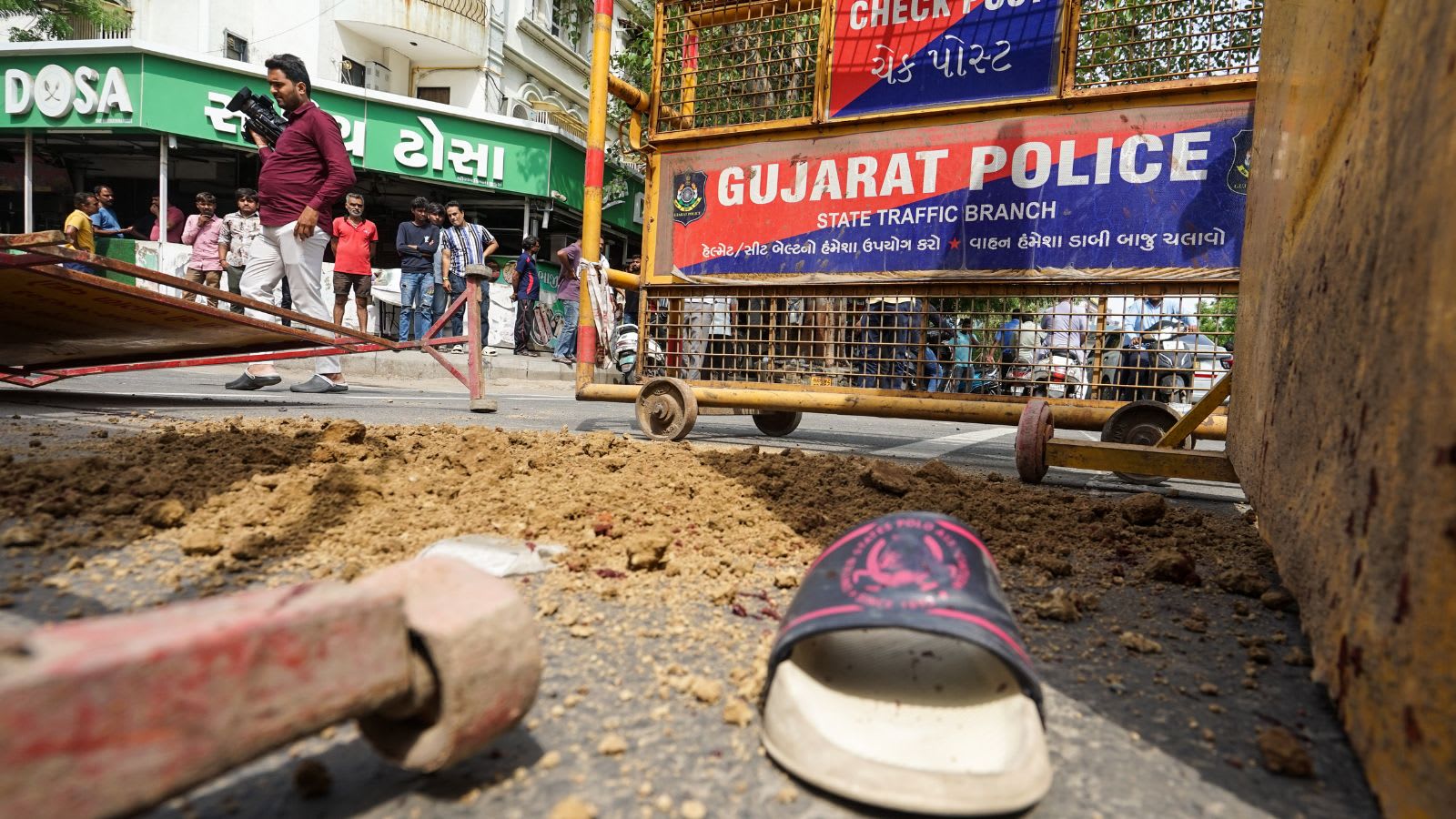
A moped driver died on the spot after an accident with a DPS school bus in Shastrinagar, Ahmedabad on Friday. Express photo Bhupendra Rana. A 16-YEAR-OLD boy was killed after a school bus collided wi...
Tragedy in Ahmedabad: Analysis of the Fatal School Bus Collision
In a devastating incident that has sent shockwaves through the local community, a 16-year-old boy lost his life in the Shastrinagar area of Ahmedabad. The accident occurred on Friday when the teenager, operating a two-wheeler moped, collided with a school bus belonging to the Delhi Public School (DPS) system. The impact was so severe that the victim died on the spot, highlighting the extreme vulnerability of two-wheeler riders when facing heavy commercial vehicles in dense urban environments.
The Dynamics of Urban Road Fatalities
This specific accident underscores a recurring and lethal pattern in Indian metropolitan traffic: the disparity in mass between mopeds and school buses. In high-traffic zones like Shastrinagar, the narrow margins for error often lead to catastrophic outcomes. When a heavy vehicle such as a school bus, designed to transport dozens of children, collides with a lightweight two-wheeler, the kinetic energy transfer is almost always fatal for the smaller vehicle's operator. This incident serves as a grim reminder of the necessity for dedicated lanes or stricter traffic segregation in residential and school-adjacent areas.
Institutional Accountability and School Bus Safety
Beyond the immediate tragedy, this event raises critical questions regarding the safety protocols of private educational institutions like DPS. School buses are tasked with the highest duty of care, not only for the students inside but for the public they navigate. This incident necessitates a deep dive into the driver's training, the vehicle's maintenance, and whether speed governors were active and functioning. Historically, school bus accidents in urban India have often been attributed to driver fatigue or a lack of adherence to strict speed limits within residential clusters, suggesting a need for more rigorous third-party safety audits for school transport fleets.
The Complex Issue of Underage Driving
The fact that the victim was 16 years old introduces a complex legal and social dimension to the tragedy. In India, the legal age to obtain a license for a motorized vehicle with gear is 18, while gearless vehicles are permitted at 16 with parental consent. The prevalence of teenagers operating mopeds in city centers is a widespread social trend that often bypasses strict legal enforcement. While this does not excuse the collision, it highlights a systemic failure in curbing underage driving, which significantly increases the risk of road fatalities due to a lack of formal training and maturity in handling emergency traffic situations.
Infrastructure and the 'School Zone' Concept
This accident points to a broader failure in urban planning regarding 'School Zones.' In many developed urban centers, school zones are marked by drastically reduced speed limits, increased signage, and physical traffic-calming measures like speed bumps and raised crossings. The Shastrinagar incident suggests that the current infrastructure in Ahmedabad may not sufficiently protect vulnerable road users in areas frequented by school transport. The lack of stringent enforcement of low-speed zones around educational hubs creates a high-risk environment where a single momentary lapse in judgment can result in a fatality.
Predictive Trends in Road Safety Enforcement
Moving forward, it is likely that this incident will trigger a renewed push for the digitization of school bus tracking and speed monitoring. We can predict an increase in the implementation of GPS-based speed alerts that notify school administrations in real-time when a driver exceeds the limit in a residential area. Furthermore, local authorities may be pressured to conduct 'safety drives' targeting both school transport operators and parents who allow underage children to operate motorized vehicles on public roads.
Conclusion
The death of a 16-year-old in Ahmedabad is more than a random traffic accident; it is a intersection of infrastructure gaps, institutional lapses, and social trends regarding underage driving. While the immediate focus remains on the legal investigation into the DPS bus driver's actions, the long-term solution requires a holistic approach—combining stricter enforcement of traffic laws, enhanced school bus safety mandates, and a fundamental redesign of urban school zones to ensure such a tragedy is not repeated.