Telangana to introduce 10+2 system in all state-run schools from 2027-28 to prevent dropouts, says CM Revanth Reddy
Source Entity
Latest News: Todays Latest News Headlines from India & World | Hindustan Times
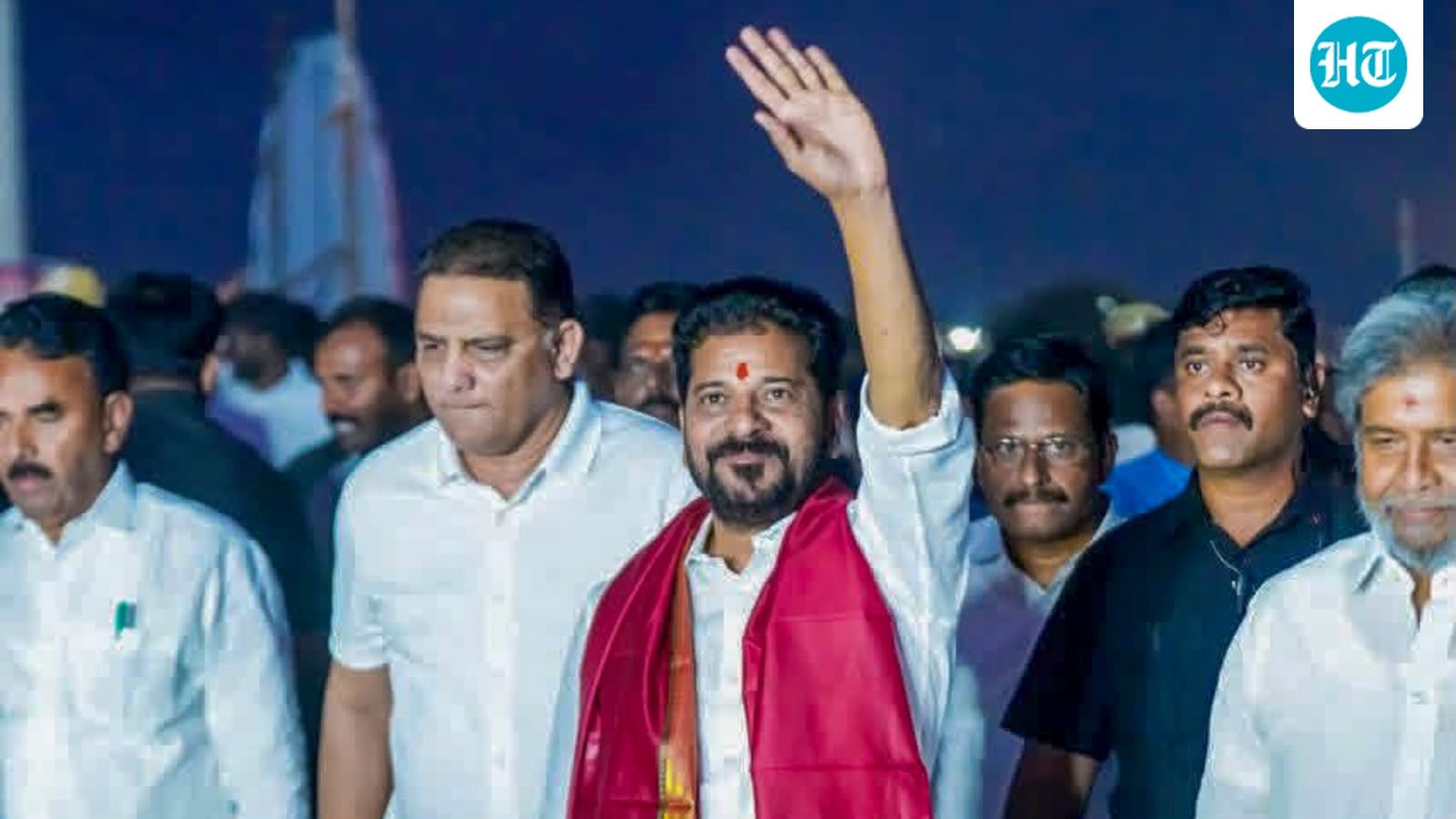
Telangana will implement a 10+2 school education system starting in the 2027-28 academic year. This initiative aims to reduce dropout rates by extending state-run school education through Class 12.
Telangana Overhauls State Education Structure
Telangana Chief Minister A Revanth Reddy has announced a transformative shift in the state’s academic framework, declaring that all state-run schools will transition to a 10+2 education system starting from the 2027-28 academic year. By extending the scope of state-run education to encompass Class 12, the government aims to align its institutional structure with the model utilized by Kendriya Vidyalayas. This shift represents a significant departure from the current bifurcated system, signaling a long-term commitment to educational continuity and student retention.
Addressing the Dropout Crisis
The primary motivation behind this policy shift is the mitigation of student dropout rates. Historically, many students in the state have faced challenges in transitioning from the secondary level to higher education after completing Class 10. By creating a seamless progression within the same school environment through the senior secondary stage, the government intends to provide a more stable learning atmosphere that encourages students to complete their full 12 years of schooling, thereby reducing the risk of students exiting the education system prematurely.
Structural Reforms: From Bifurcation to Integration
Currently, the administrative landscape of Telangana’s education system is divided. The School Education Department oversees learning up to Class 10, culminating in the Secondary School Certificate (SSC) examinations, while the Board of Intermediate Education (BIE) independently governs the subsequent two years. This administrative separation has historically created a fragmented experience for students. The new proposal aims to unify these stages into three distinct tiers: primary, secondary, and senior secondary, streamlining both the curriculum and the institutional oversight.
Administrative and Logistical Implications
Transitioning to a 10+2 system is a complex undertaking that requires significant logistical planning. Integrating the Intermediate level—traditionally managed by the BIE—into the standard school framework requires a reconfiguration of infrastructure, faculty allocation, and administrative reporting. By bringing these two years into the traditional school fold, the state is effectively lowering the barriers that currently exist between secondary and intermediate education, making the pursuit of higher studies more accessible to the rural and underprivileged populations served by state-run institutions.
Future Outlook and Educational Equity
Looking ahead, the 2027-28 implementation date provides a necessary window for the government to prepare the infrastructure and pedagogical resources required for such a large-scale integration. If successful, this policy could serve as a model for other states seeking to harmonize their school systems. By prioritizing the continuity of education from primary through senior secondary levels, Telangana is positioning its youth for better academic outcomes and, eventually, more competitive prospects in the national and global labor markets.
Verification Required?