Telangana introduces special fire safety norms for data centres, mandates suppression systems
Source Entity
India Latest News: Top National Headlines Today & Breaking News | The Hindu
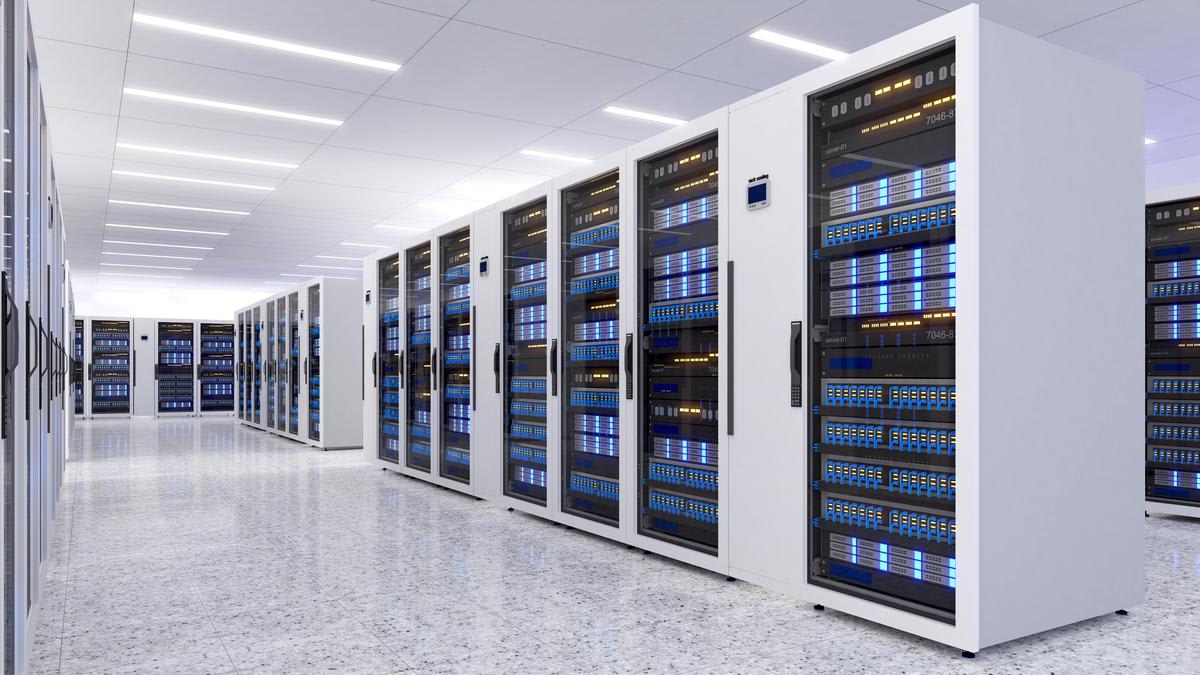
Telangana has implemented specialized fire safety regulations for data centers to address unique risks in server halls and battery rooms. These guidelines, effective November 6, 2026, aim to streamline the NOC process while enhancing safety for critical infrastructure.
Telangana Bolsters Data Center Resilience with New Fire Safety Framework
In a proactive move to secure the digital backbone of the region, the Telangana Fire Department has unveiled a comprehensive set of fire and life safety guidelines tailored specifically for data centers. Issued by Director General of Fire Services Vikram Singh Mann on October 28, 2026, these regulations represent a significant shift from generic building codes toward specialized oversight for high-tech infrastructure. By establishing these norms, the state is acknowledging the unique operational realities of data centers, which require constant, high-density power and cooling systems that are inherently prone to specific fire risks.
Addressing High-Risk Operational Zones
Data centers are fundamentally distinct from traditional office buildings, primarily due to their dense concentration of electronic hardware and battery storage. The new guidelines target these critical zones, mandating dedicated fire suppression systems for server halls, battery rooms, and fuel storage areas. By segmenting the safety requirements based on the specific risk profiles of these rooms, the department ensures that fire suppression methods—such as specialized gas-based systems—are deployed effectively, preventing the collateral damage that water-based sprinklers might cause to sensitive electronic components.
Streamlining Regulatory Compliance
Beyond safety, the directive serves a strategic economic purpose. By clarifying the exact expectations for fire safety equipment and infrastructure arrangements, the government intends to accelerate the issuance of provisional Fire No Objection Certificates (NOCs). For developers and operators, this regulatory clarity is a welcome development. It removes ambiguity in the application process, allowing for faster project approval timelines for applications submitted on or after November 6, 2026, without compromising the rigorous standards required for such critical facilities.
The Future of Infrastructure Governance
As Telangana continues to position itself as a premier destination for global data center investments, this regulatory framework serves as a model for other jurisdictions. The rapid growth of cloud computing and AI-driven infrastructure demands a corresponding evolution in how fire departments approach building safety. By moving toward a risk-based assessment model rather than a one-size-fits-all approach, the state is effectively de-risking its digital economy, ensuring that the physical environment remains as resilient as the data it hosts.
Conclusion: A Balanced Approach to Digital Expansion
The implementation of these guidelines highlights the intersection of rapid technological expansion and public safety. By balancing the need for speed in the approval process with stringent, specialized fire suppression mandates, Telangana is fostering a safer environment for data center operators. This forward-thinking policy not only protects essential infrastructure from potential disasters but also reinforces the state’s commitment to providing a stable, secure, and well-regulated ecosystem for the future of digital innovation.
Verification Required?