El Nino | Telangana to cultivate fodder in lakes and ponds’ shikam lands to address potential shortage
Source Entity
India Latest News: Top National Headlines Today & Breaking News | The Hindu
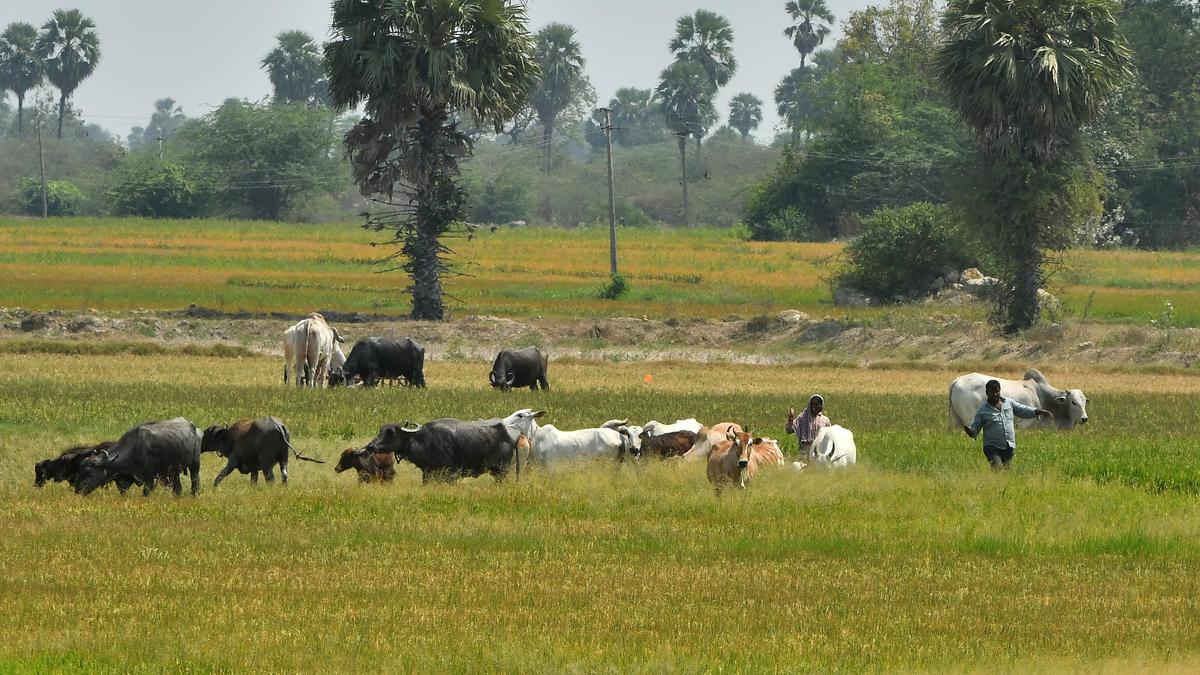
Telangana is launching a proactive initiative to cultivate fodder on 'shikam' lands near water bodies to mitigate shortages caused by El Nino. The project leverages Self Help Groups to ensure food security for livestock and support the local dairy industry.
Addressing Agricultural Vulnerability Amidst El Nino
In a proactive move to safeguard the agricultural and dairy sectors, the Telangana government has initiated a strategic plan to cultivate fodder on 'shikam' lands—the areas within the submergence zones of local water bodies. This decision, formalized during a meeting in Hyderabad on October 13, 2026, serves as a critical buffer against the anticipated environmental stresses brought on by the El Nino phenomenon. By utilizing these specific plots near lakes and ponds where moisture levels remain higher, the state aims to preemptively manage the risk of resource scarcity.
The Impact of Climatic Shifts on Rural Livelihoods
The prevailing El Nino weather pattern has resulted in recorded low rainfall across the region, creating an immediate threat to the availability of natural grazing lands and fodder stocks. For rural families and the state’s burgeoning dairy industry, access to consistent fodder is not merely an agricultural necessity but a socioeconomic lifeline. The lack of adequate nutrition for cattle directly translates to lower milk yields and increased economic burden on smallholder farmers, making this intervention essential for regional food security.
Leveraging Community-Led Infrastructure
A cornerstone of this initiative is the empowerment of Self Help Groups (SHGs) to manage the cultivation, crop protection, and water management of these designated lands. By tasking SHGs with these responsibilities, the government is not only ensuring the success of the fodder crop but is also fostering community-based resilience. This decentralized approach allows for localized monitoring of water levels in ponds and lakes, ensuring that the five to ten acres allocated per site are utilized with maximum efficiency.
Strategic Resource Management
The directive to initiate these works on a 'war footing' underscores the urgency of the situation. By focusing on land that is naturally situated within submergence areas, the state is maximizing the utility of existing water resources during a period of hydrological stress. This method effectively turns land that might otherwise be underutilized during dry spells into productive assets, demonstrating a sophisticated approach to land-use management that balances environmental constraints with economic needs.
Future Implications and Sustainability
Looking ahead, this model of utilizing 'shikam' lands could serve as a blueprint for long-term climate adaptation strategies in Telangana. If successful, the integration of community-led agricultural practices in response to erratic weather patterns could provide a robust framework for future resource management. By prioritizing the stability of the cattle feed supply chain now, the state is effectively insulating its dairy sector from the most volatile impacts of climate change, ensuring that rural livelihoods remain sustainable even in the face of ongoing environmental challenges.
Verification Required?